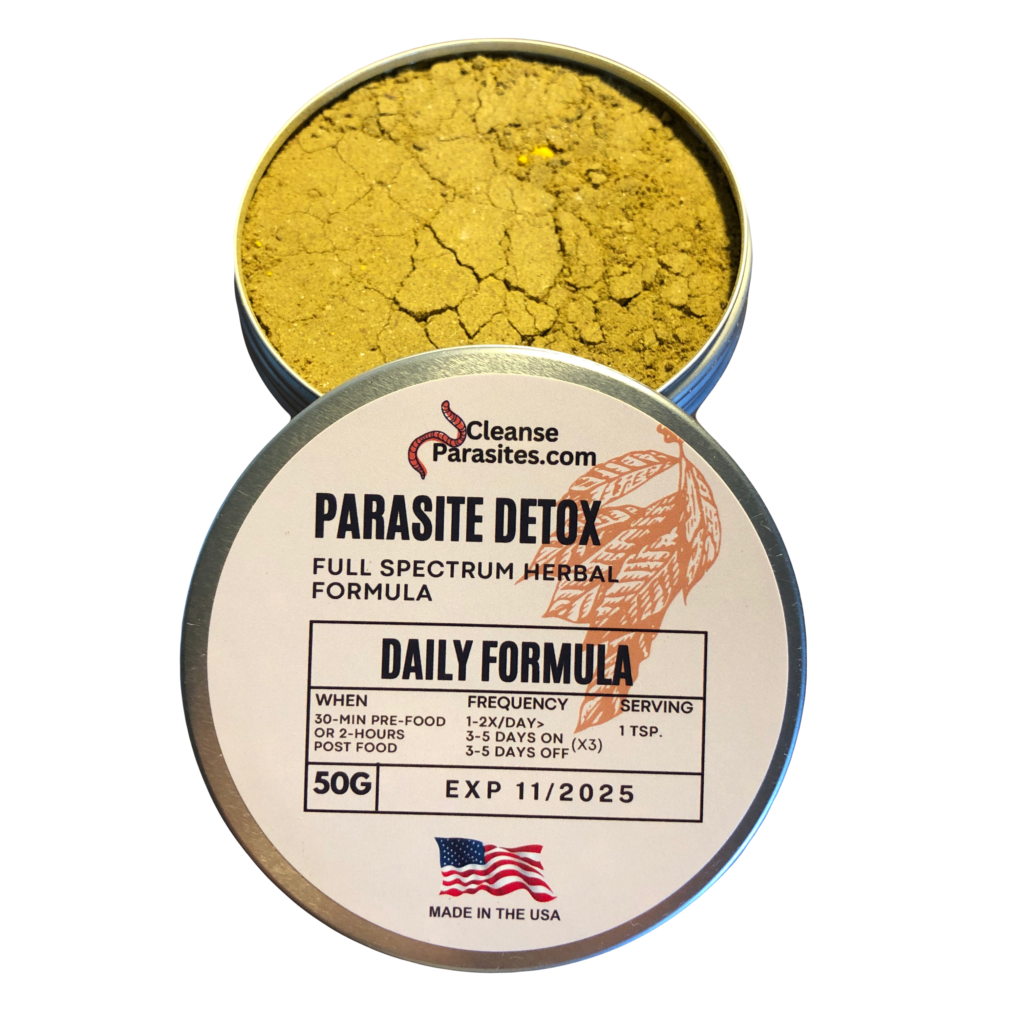
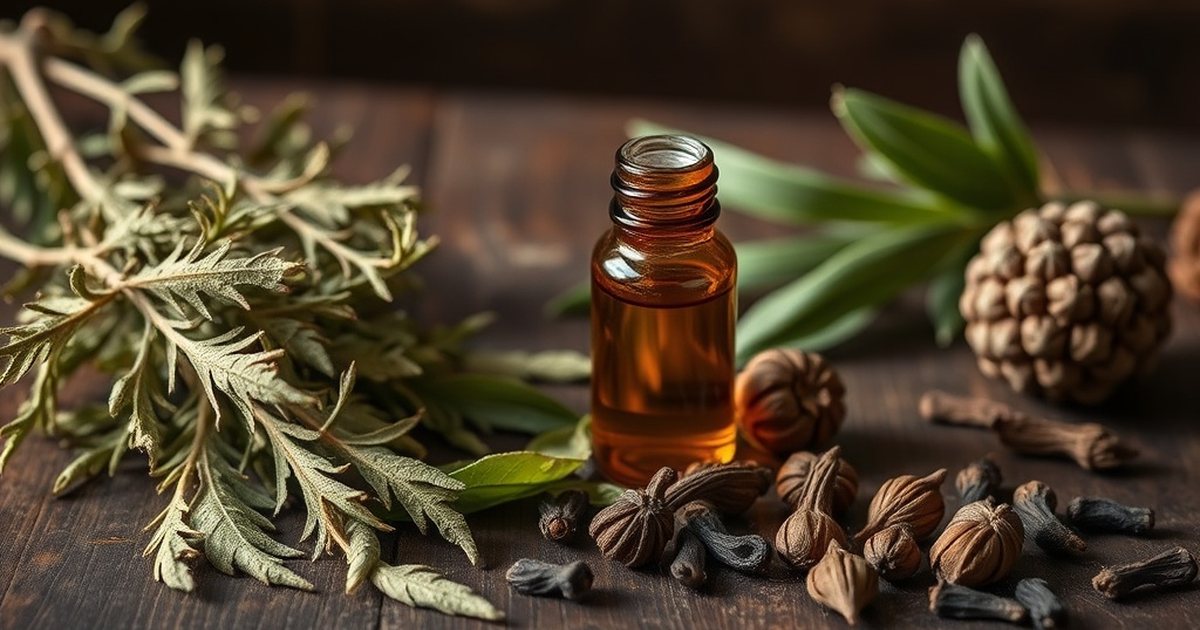
Parasite cleanse protocols typically involve time-limited courses of antiparasitic herbs such as wormwood (Artemisia absinthium), black walnut hull (Juglans nigra), and clove (Syzygium aromaticum), often combined with binders like diatomaceous earth or mimosa pudica seed. Proponents suggest these botanicals disrupt parasite membranes and reproductive cycles while binders help eliminate organisms and toxins from the gastrointestinal tract.
Prescription deworming medications (anthelmintics) such as albendazole, mebendazole, praziquantel, and ivermectin are FDA-approved drugs with defined pharmacokinetics, dosing regimens, and established efficacy against specific helminth and protozoan infections. This article outlines the principal differences between these two approaches, emphasizing that herbal cleanses are not substitutes for laboratory-confirmed diagnosis or medical treatment.
Key Takeaways
- Prescription anthelmintics are FDA-approved drugs with proven efficacy, defined dosing, and safety monitoring for specific, diagnosed parasitic infections.
- Herbal parasite cleanses are dietary supplements without pre-market efficacy review; clinical evidence for multi-herb protocols in humans is limited to small or uncontrolled studies.
- Mechanisms differ: prescription agents target parasite-specific pathways; herbal constituents act broadly and non-selectively, with potential effects on host tissues and microbiota.
- Self-treating with herbal cleanses without lab confirmation risks missing true infections, delaying care for other conditions, and exposure to variable product quality and adverse effects.
- Pregnant or nursing individuals, children, and anyone on medication should consult a healthcare provider before using antiparasitic herbs or binders.
Regulatory Status and Quality Control
Prescription anthelmintics are regulated as drugs by the FDA. Manufacturers must demonstrate safety, efficacy, and consistent manufacturing quality through rigorous clinical trials and Good Manufacturing Practice (GMP) inspections before approval. Each batch meets defined identity, strength, purity, and stability specifications.
Herbal parasite cleanse products are regulated as dietary supplements under the Dietary Supplement Health and Education Act (DSHEA) of 1994. The FDA does not evaluate these products for safety or efficacy before they reach the market. Manufacturers are responsible for ensuring their products are safe and that label claims are truthful and not misleading, but there is no mandatory pre-market approval process. Consequently, ingredient potency, purity, and contamination levels (e.g., heavy metals, pesticides, adulterants) can vary significantly between brands and batches[1].
Evidence Base and Clinical Validation
Prescription anthelmintics have been studied extensively in randomized controlled trials across diverse populations and parasite species. Their efficacy endpoints (e.g., cure rates, egg reduction rates) are well characterized for indications such as ascariasis, hookworm, trichuriasis, strongyloidiasis, tapeworm infections, and certain protozoal infections[2][3]. Dosing guidelines are derived from pharmacokinetic and pharmacodynamic data.

Research on traditional antiparasitic herbs consists largely of in vitro studies, animal models, and small or uncontrolled human trials. For example, wormwood has demonstrated anthelmintic activity against certain nematodes in laboratory settings, and clove oil (eugenol) has shown activity against parasite larvae in vitro. However, there are no large, well-controlled clinical trials establishing standardized dosing, duration, or cure rates for multi-herb cleanse protocols in humans with confirmed parasitic infections. The proposed mechanisms — membrane disruption, reproductive cycle interference, and binder-assisted elimination — remain theoretical in the context of human clinical outcomes.
Mechanisms of Action and Spectrum of Activity
Prescription agents have defined molecular targets. Benzimidazoles (albendazole, mebendazole) bind beta-tubulin, inhibiting microtubule polymerization and blocking glucose uptake in susceptible helminths[4]. Praziquantel increases calcium permeability in trematode and cestode teguments, causing paralysis and dislodgement[5]. Ivermectin activates glutamate-gated chloride channels in nematodes and arthropods[6]. These mechanisms are selective for parasite biology over human physiology at therapeutic doses.
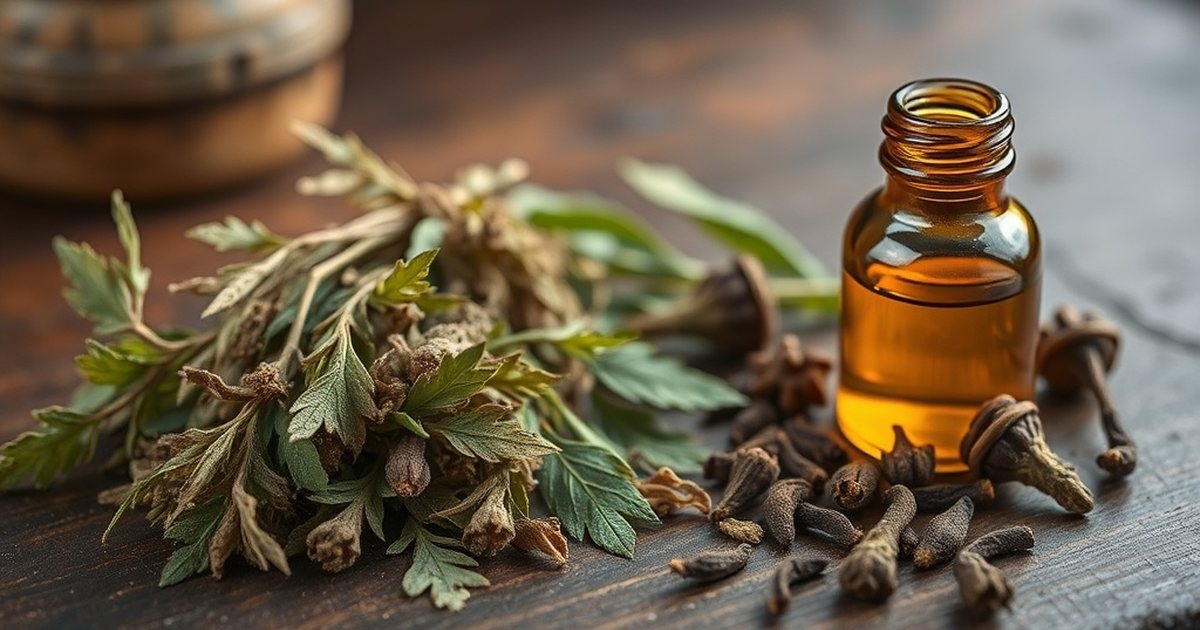
Herbal constituents act through less specific pathways. Wormwood contains thujone and sesquiterpene lactones that may disrupt membranes and mitochondrial function. Black walnut hull provides juglone, a naphthoquinone with broad antimicrobial and cytotoxic properties. Clove delivers eugenol, which has antioxidant, anti-inflammatory, and antimicrobial effects. Binders such as diatomaceous earth (amorphous silica) and mimosa pudica seed (mucilaginous polysaccharides) are thought to physically adsorb organisms and toxins in the gut lumen. These actions are non-selective and may affect commensal microbiota and host tissues.
Dosing Precision, Pharmacokinetics, and Treatment Duration
Prescription regimens are weight-based or fixed-dose, with defined treatment durations (e.g., single-dose albendazole 400 mg for ascariasis; three-day mebendazole for hookworm; divided-dose praziquantel for schistosomiasis). Pharmacokinetic profiles (absorption, distribution, metabolism, excretion) are known, allowing adjustments for hepatic impairment, drug interactions, and pediatric use.
Herbal cleanse protocols vary widely among practitioners and product labels. Common schedules range from 2 to 8 weeks, often with escalating doses and pulsed on/off cycles. There are no standardized pharmacokinetic data for these multi-herb combinations in humans. Bioavailability of key constituents (e.g., thujone, juglone, eugenol) is influenced by preparation method (tincture, capsule, tea), food effects, and individual metabolism. The lack of dosing precision makes it impossible to predict therapeutic exposure or compare outcomes across users.

Safety Monitoring, Adverse Effects, and Contraindications
Prescription anthelmintics have well-documented adverse effect profiles. Albendazole and mebendazole may cause transient gastrointestinal upset, headache, and elevated liver enzymes; they are contraindicated in pregnancy (Category C/D) and require monitoring in hepatic impairment. Praziquantel can cause dizziness, abdominal pain, and exacerbation of cysticercosis-related inflammation. Ivermectin may cause Mazzotti-like reactions in onchocerciasis. Clinicians can monitor labs, adjust doses, and manage adverse events.
Herbal cleanses carry their own risks. Wormwood thujone is neurotoxic at high doses and can cause seizures; it is contraindicated in pregnancy, lactation, and seizure disorders[7]. Black walnut juglone may be hepatotoxic and dermatotoxic. Clove oil can cause mucosal irritation and allergic reactions. Diatomaceous earth (if not food-grade) may contain crystalline silica, a respiratory hazard. Mimosa pudica seed lacks long-term safety data. Binders can impair absorption of medications and nutrients (e.g., thyroid hormone, antibiotics, minerals). There is no standardized safety monitoring framework for these protocols.
Diagnostic Dependency and Clinical Decision-Making
Prescription treatment is initiated after laboratory confirmation: stool ova and parasite (O&P) examination, antigen testing (e.g., Giardia, Cryptosporidium, Entamoeba histolytica), PCR panels, serology (e.g., Strongyloides, Toxocara), or imaging for tissue-invasive disease. Species identification guides drug selection, duration, and follow-up testing to confirm clearance.
Herbal cleanses are frequently self-initiated based on nonspecific symptoms (bloating, fatigue, skin changes, sleep disturbance) or alternative medicine assessments (e.g., muscle testing, symptom questionnaires) without laboratory confirmation. This empiric approach risks missing treatable infections, delaying diagnosis of non-parasitic conditions (inflammatory bowel disease, SIBO, celiac disease, malignancy), and exposing individuals to unnecessary supplements. Post-cleanse testing to verify eradication is rarely performed.
Cost, Access, and Public Health Context
Prescription anthelmintics are widely available through healthcare systems, often covered by insurance for approved indications. In resource-limited settings, mass drug administration programs use single-dose albendazole or mebendazole for soil-transmitted helminth control, supported by WHO guidelines.
Herbal cleanse kits are sold direct-to-consumer online and in health food stores, typically costing $50–$200 per course without insurance coverage. Quality varies; third-party testing (USP, NSF, ConsumerLab) is voluntary. There is no public health framework for herbal parasite cleanses, and they are not recognized in clinical guidelines for parasitic disease management.

🛒 Where to Buy Parasite Cleanse Protocol
- CleanseParasites Herbal Parasite Cleanse Powder Editor’s Pick
The flagship product for this hub’s own protocol content — wormwood, black walnut hull, cloves, and more. - CleanseParasites Full Detox Bundle (all products) Editor’s Pick
The complete 11-week protocol bundle: parasite cleanse, metals binder, superfood, and more in one order. - Global Healing Paratrex I
oil-based liquid, 1 ml, 2x daily — Current MicroSomal formula is a pumpkin-seed and pomegranate-seed oil blend with essential oils; it no longer contains wormwood, clove or black walnut - Amazing Herbs Premium Black Walnut-Wormwood Complex
capsules, 2 capsules daily — Budget-friendly combination capsule pairing black walnut hull and wormwood, a common starter product - NOW Foods Wormwood
capsules, 1 capsule, 2x daily — Single-herb wormwood capsule from a widely trusted supplement manufacturer, good for readers wanting to build their own stack - Herb Pharm Black Walnut
liquid, 0.5-1 mL, 3x daily — Alcohol-based liquid extract from a respected small-batch herbal manufacturer, common alternative to capsule form
As an Amazon Associate we earn from qualifying purchases. Quality varies widely — always choose a product with a published third-party test (COA) before buying.
A Note on the Evidence
This article is informational and not medical advice. Herbal parasite cleanses are not FDA-evaluated for diagnosis, treatment, cure, or prevention of any disease. They are not substitutes for laboratory-confirmed diagnosis or prescription anthelmintic therapy. Evidence for herbal protocols is limited to preclinical and small clinical studies; safety and efficacy in humans are not established. Pregnant or nursing individuals, children, and anyone taking medications or with chronic health conditions should consult a qualified healthcare provider before using antiparasitic herbs or binders.
Frequently Asked Questions
Can a parasite cleanse replace prescription deworming medication?
No. Herbal cleanses have not been proven in controlled trials to eradicate confirmed parasitic infections at standardized rates. Prescription anthelmintics are the standard of care for diagnosed helminth and protozoal infections.
How do I know if I have a parasite infection?
See a healthcare provider for appropriate testing: stool O&P, antigen tests, PCR panels, or serology based on travel history, exposure risk, and symptoms. Nonspecific symptoms alone cannot diagnose a parasitic infection.
Are herbal parasite cleanses safe for everyone?
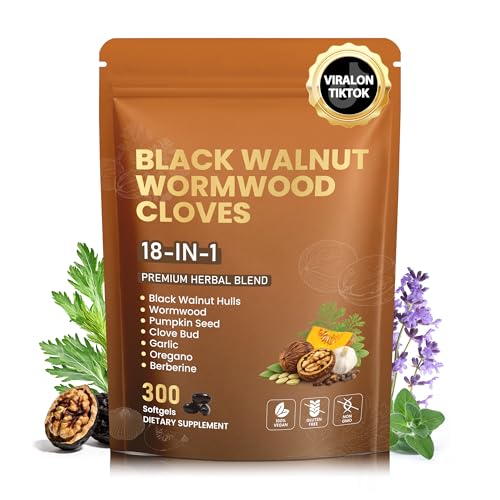
No. Wormwood (thujone) is neurotoxic and contraindicated in pregnancy, lactation, and seizure disorders. Black walnut and clove can cause irritation and allergic reactions. Binders may impair drug and nutrient absorption. Children, pregnant/nursing individuals, and those on medications should consult a clinician first.
Do binders like diatomaceous earth or mimosa pudica seed remove parasites?
These substances may adsorb material in the gut lumen, but there are no human clinical trials demonstrating they eliminate live parasites or improve cure rates when added to herbal or prescription regimens.
What are the risks of delaying prescription treatment in favor of an herbal cleanse?
Delays can allow parasite burden to increase, raise the risk of complications (e.g., intestinal obstruction, dissemination, anemia), and prolong transmission to others. Some infections (e.g., Strongyloides) can become life-threatening in immunocompromised hosts if not treated promptly with effective agents.
Can I take herbs and prescription dewormers together?
Combining them is not standard practice and may increase adverse effects or alter drug absorption. Always disclose all supplements to your prescribing clinician before starting anthelmintic therapy.
References
- Philips CA, Oommen TT, Theruvath AH, et al. Analysis of 386 alternative medicinal products implicated in liver injury reveal clinically relevant associations with potentially hepatotoxic botanicals, pharmaceutical adulteration, heavy metal contamination, and undisclosed animal content. Front Gastroenterol (Lausanne) (2026). PMID 41890551
- Moser W, Schindler C, Keiser J. Efficacy of recommended drugs against soil transmitted helminths: systematic review and network meta-analysis. BMJ (2017). PMID 28947636
- Suputtamongkol Y, Premasathian N, Bhumimuang K, et al. Efficacy and safety of single and double doses of ivermectin versus 7-day high dose albendazole for chronic strongyloidiasis. PLoS Negl Trop Dis (2011). PMID 21572981
- Lacey E, Gill JH. Biochemistry of benzimidazole resistance. Acta Trop (1994). PMID 8203306
- Harder A. Activation of transient receptor potential channel Sm.(Schistosoma mansoni)TRPMPZQ by PZQ, enhanced Ca++ influx, spastic paralysis, and tegumental disrupture. Parasitol Res (2020). PMID 32607709
- Johnson-Arbor K. Ivermectin: a mini-review. Clin Toxicol (Phila) (2022). PMID 35225114
- Pelkonen O, Abass K, Wiesner J. Thujone and thujone-containing herbal medicinal and botanical products: toxicological assessment. Regul Toxicol Pharmacol (2013). PMID 23201408
These statements have not been evaluated by the Food and Drug Administration. This information is not intended to diagnose, treat, cure, or prevent any disease. Content is for informational purposes only and is not medical advice; consult a qualified healthcare provider before starting any supplement. As an Amazon Associate we earn from qualifying purchases.