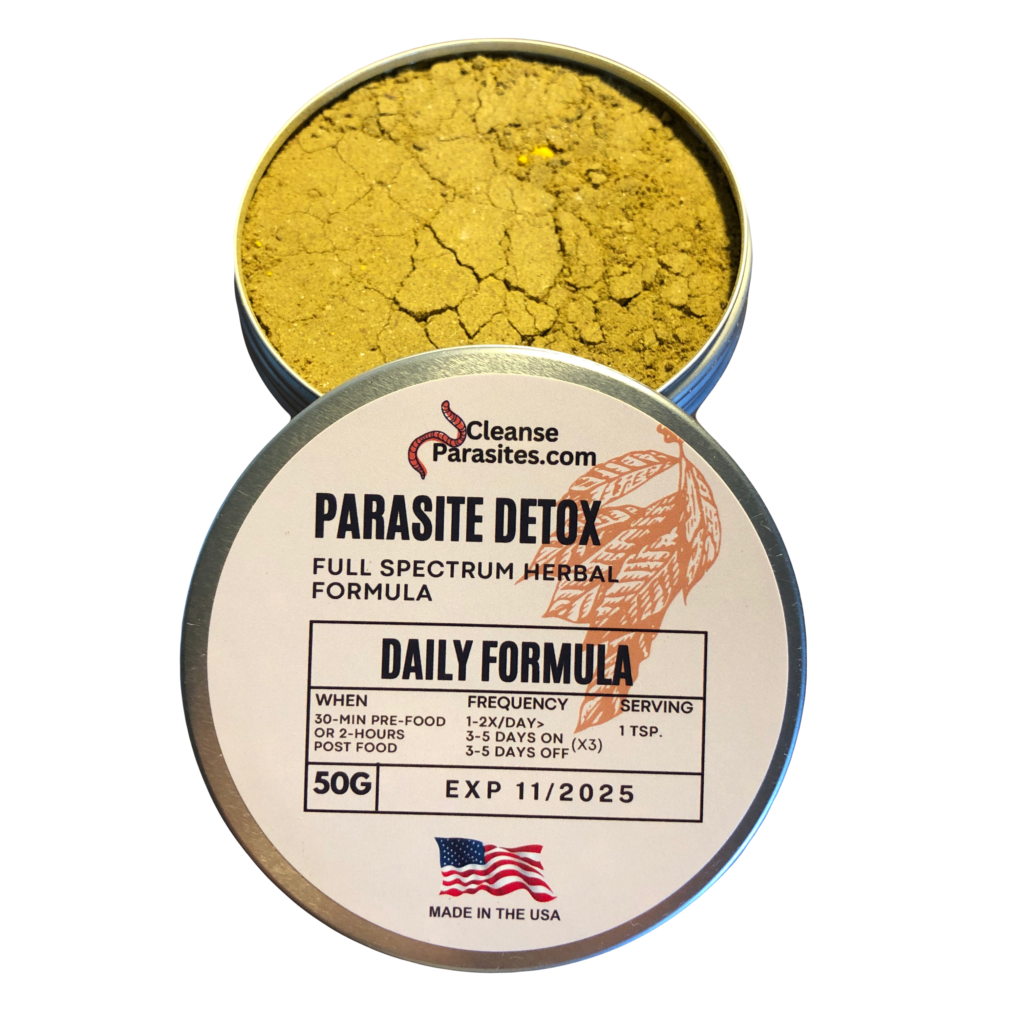
Parasite cleanse kits typically combine herbs such as wormwood, black walnut hull, and clove, often with binders like diatomaceous earth or mimosa pudica seed. Manufacturers may claim these blends disrupt parasite membranes and reproductive cycles while binding organisms for elimination, but product quality varies widely across the supplement market.
Third-party testing and Certificates of Analysis (COAs) offer a way to verify identity, potency, and purity. This guide explains what to look for on a COA, which contaminant limits matter, and how to confirm that the test matches the product in hand.
Key Takeaways
- Match the COA lot number to the product lot number exactly.
- Verify the lab holds ISO/IEC 17025 accreditation for the specific methods used.
- Confirm testing covers identity, potency markers, heavy metals, pesticides, microbes, and residual solvents.
- Convert heavy metal ppm to daily exposure using the suggested serving size.
- A COA verifies quality specifications, not clinical efficacy; consult a healthcare provider before use.
Why Third-Party Testing Matters for Herbal Parasite Formulas
Herbal antiparasitic blends are complex mixtures; each botanical can vary in active constituent content based on species, plant part, harvest time, and extraction method. Without independent verification, there is no assurance that the label reflects what is inside the capsule or tincture.
Third-party labs test for identity (is the correct herb present?), potency (are marker compounds at claimed levels?), and contaminants (heavy metals, pesticides, microbes, residual solvents). A valid COA should reference the specific lot number, test methods, and the laboratory’s accreditation status.
Reading a Certificate of Analysis: Key Sections
A COA typically includes a header with the lab name, accreditation (e.g., ISO/IEC 17025), sample description, lot number, and test date. Confirm that the lot number on the COA matches the lot on your product packaging.
The results table lists each analyte, specification limit, actual result, and pass/fail status. For parasite cleanse kits, relevant analytes include marker compounds for each herb (e.g., thujone or absinthin for wormwood, juglone for black walnut, eugenol for clove), heavy metals (lead, arsenic, cadmium, mercury), pesticide residues, and microbial limits (total plate count, yeast/mold, E. coli, Salmonella).

Method references (e.g., USP <561>, AOAC, EPA methods) indicate validated procedures. If a COA lists only “in-house method” without validation details, treat results with caution.
Contaminant Limits and Regulatory Benchmarks
Heavy metal limits for dietary supplements often follow USP <2232> / ICH Q3D guidelines: lead ≤10 µg/day, arsenic ≤15 µg/day, cadmium ≤5 µg/day, mercury ≤15 µg/day (based on maximum daily dose). Convert the COA’s ppm (µg/g) results to daily exposure using the suggested serving size.
Pesticide screens should cover relevant classes (organochlorines, organophosphates, pyrethroids, neonicotinoids). EPA tolerances or USP <561> limits provide benchmarks. Microbial limits typically follow USP <2023>: total aerobic count ≤10^5 CFU/g, yeast/mold ≤10^3 CFU/g, bile-tolerant Gram-negative bacteria ≤10^3 CFU/g, with absence of E. coli and Salmonella in 10 g.
Residual solvent testing (USP <467>) is relevant if herbs were extracted with ethanol, hexane, or other solvents. Class 1 solvents (e.g., benzene) should be absent; Class 2 solvents have defined limits.
Verifying Laboratory Credibility and Test Scope
Check the laboratory’s accreditation body (A2LA, PJLA, ANAB) and scope of accreditation. The scope should list the specific methods used for botanical identity, heavy metals (ICP-MS), pesticides (LC-MS/MS, GC-MS/MS), and microbiology.
Some brands post only a summary or a single-page COA. Request the full report, including chain of custody, method validation summary, and any deviations. A reputable brand will provide the complete document or direct you to the lab’s verification portal.

Be wary of COAs that test only a subset of ingredients (e.g., heavy metals on the finished blend but no identity testing for each herb) or that use outdated methods (e.g., colorimetric assays for marker compounds instead of HPLC).
Common Gaps in Parasite Cleanse Kit Testing
Many products test the finished blend for heavy metals and microbes but skip botanical identity confirmation for each herb. Adulteration or substitution (e.g., Artemisia annua instead of Artemisia absinthium) would not be detected.
Potency testing for marker compounds is rarely reported for multi-herb kits. Without it, there is no data on whether the product delivers the phytochemicals associated with the proposed mechanism (e.g., sesquiterpene lactones, naphthoquinones, phenylpropanoids).
Stability data (shelf-life testing) is uncommon. Herbal constituents can degrade over time, especially in liquid extracts. A COA dated years before purchase may not reflect current potency.
Practical Steps for Consumers
Before purchasing, check the brand’s website for a COA library searchable by lot number. If not public, email customer service requesting the COA for the current lot.
When the product arrives, photograph the lot number and best-by date. Compare the lot number to the COA. Verify that the COA covers identity, potency (if claimed), heavy metals, pesticides, microbes, and solvents.

Calculate daily heavy metal exposure from the COA’s ppm values and the label’s serving size. If the brand does not provide a COA or refuses to share one, consider it a red flag.
Remember that a clean COA confirms product specifications for that lot only; it does not validate health claims or replace clinical diagnosis. These statements have not been evaluated by the FDA and these products are not intended to diagnose, treat, cure, or prevent any disease.
🛒 Where to Buy Parasite Cleanse Protocol
- CleanseParasites Herbal Parasite Cleanse Powder Editor’s Pick
The flagship product for this hub’s own protocol content — wormwood, black walnut hull, cloves, and more. - CleanseParasites Full Detox Bundle (all products) Editor’s Pick
The complete 11-week protocol bundle: parasite cleanse, metals binder, superfood, and more in one order. - Global Healing Paratrex I
oil-based liquid, 1 ml, 2x daily — Current MicroSomal formula is a pumpkin-seed and pomegranate-seed oil blend with essential oils; it no longer contains wormwood, clove or black walnut - Amazing Herbs Premium Black Walnut-Wormwood Complex
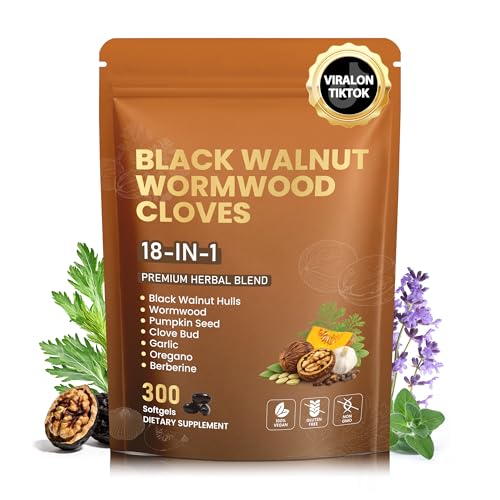
capsules, 2 capsules daily — Budget-friendly combination capsule pairing black walnut hull and wormwood, a common starter product - NOW Foods Wormwood
capsules, 1 capsule, 2x daily — Single-herb wormwood capsule from a widely trusted supplement manufacturer, good for readers wanting to build their own stack - Herb Pharm Black Walnut
liquid, 0.5-1 mL, 3x daily — Alcohol-based liquid extract from a respected small-batch herbal manufacturer, common alternative to capsule form
As an Amazon Associate we earn from qualifying purchases. Quality varies widely — always choose a product with a published third-party test (COA) before buying.
A Note on the Evidence
Parasite cleanse herbs are not a substitute for lab-confirmed diagnosis or medical treatment of a parasitic infection. Pregnant or nursing individuals, children, and anyone on medication should talk to a healthcare provider before starting any herbal regimen. This information is educational and not medical advice.
Frequently Asked Questions
What is a Certificate of Analysis (COA)?
A COA is a document from an independent laboratory reporting test results for a specific product lot. It lists analytes tested, methods used, specifications, actual results, and pass/fail status.
Which contaminants should a parasite cleanse kit COA include?
Heavy metals (lead, arsenic, cadmium, mercury), pesticide residues, microbial limits (total count, yeast/mold, E. coli, Salmonella), and residual solvents if extraction was used.
How do I know if the testing lab is legitimate?
Check for ISO/IEC 17025 accreditation from a recognized body (A2LA, PJLA, ANAB) and confirm the lab’s scope includes the specific methods reported on the COA.
Can I trust a COA that is several years old?
No. A COA reflects only the lot tested on that date. Herbal potency can degrade over time. Request a COA for the current lot you are purchasing.
Does a passing COA mean the parasite cleanse will work?
A COA confirms the product meets labeled specifications for identity, potency, and purity. It does not validate health claims or clinical efficacy. These products are not a substitute for lab-confirmed diagnosis or medical treatment.
What should I do if a brand refuses to provide a COA?
Treat refusal as a quality red flag. Reputable brands make COAs available by lot number, either publicly or upon request.
These statements have not been evaluated by the Food and Drug Administration. This information is not intended to diagnose, treat, cure, or prevent any disease. Content is for informational purposes only and is not medical advice; consult a qualified healthcare provider before starting any supplement. As an Amazon Associate we earn from qualifying purchases.