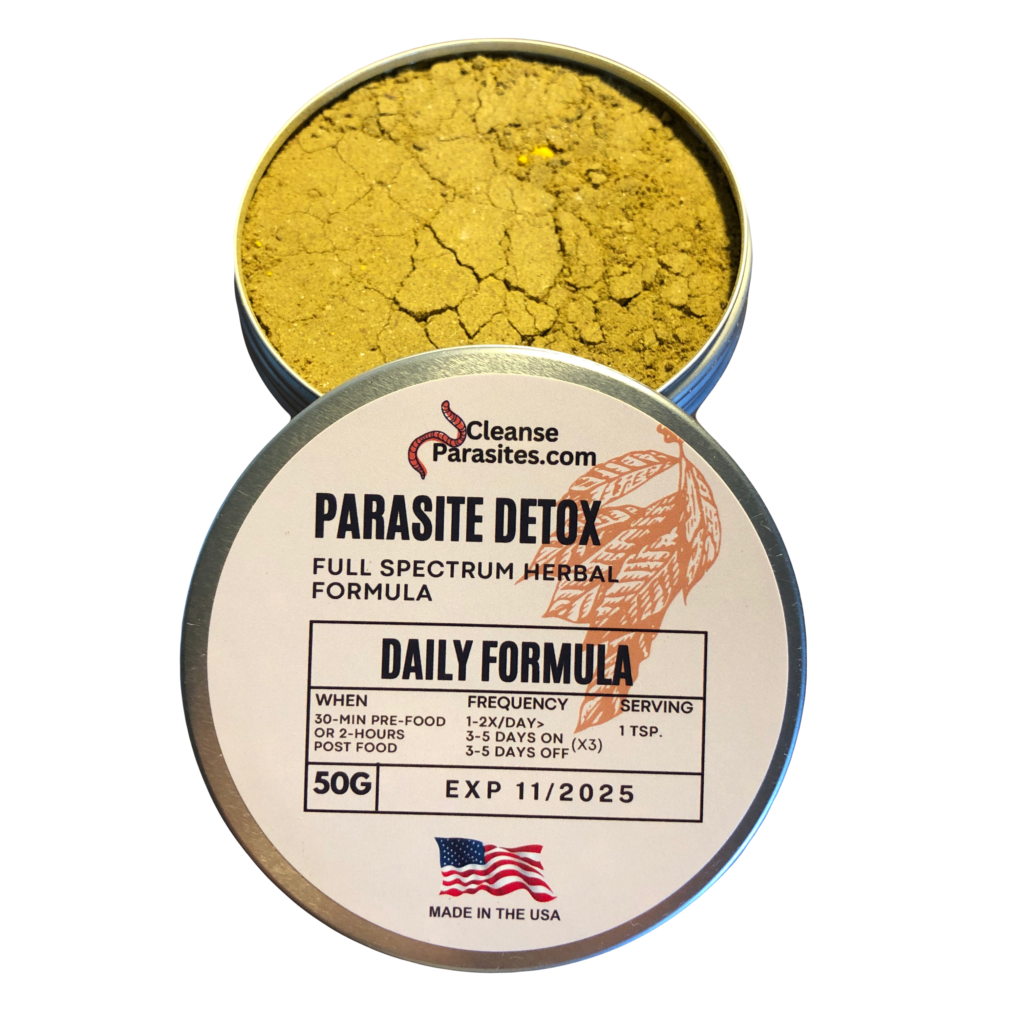
Parasite cleanse protocols using herbs such as wormwood, black walnut hull, and clove are marketed for both humans and companion animals, but the physiological and safety considerations differ substantially across species. What may be tolerated by an adult human can be toxic or ineffective in a dog, cat, or other pet due to differences in metabolism, body weight, gastrointestinal anatomy, and detoxification pathways.
This article outlines the major cross-species variables — dosing strategies, herb selection, binder use, treatment duration, and the necessity of veterinary diagnostics — that distinguish evidence-informed human protocols from those appropriate for pets. It does not recommend specific regimens; any parasite concern in an animal should be evaluated by a licensed veterinarian before starting herbal or pharmaceutical interventions.
Key Takeaways
- Species differences in metabolism, body size, and organ function make human parasite cleanse protocols unsafe to extrapolate to pets without veterinary guidance.
- Several common antiparasitic herbs (wormwood, black walnut, clove) have known or theoretical toxicity risks in dogs and cats, particularly at doses derived from human regimens.
- Binders like diatomaceous earth and mimosa pudica lack controlled safety and efficacy data in companion animals and may cause GI adverse effects.
- Diagnostic testing (fecal O&P, antigen, PCR) is essential before any parasite treatment in pets to identify the specific organism and avoid masking zoonotic or serious infections.
- FDA-approved veterinary anthelmintics have defined pharmacokinetics, safety margins, and resistance monitoring; herbal alternatives do not.
Metabolic and Physiological Differences Affecting Herb Pharmacokinetics
Species-specific variations in cytochrome P450 enzyme activity, glucuronidation capacity, and gastrointestinal transit time alter how antiparasitic herbs are absorbed, metabolized, and eliminated. For example, cats lack certain glucuronosyltransferase isoforms, making them more susceptible to toxicity from compounds that are readily conjugated in humans and dogs [1]. Dogs may metabolize some terpenes in wormwood (Artemisia absinthium) differently than humans, affecting both efficacy and neurotoxicity risk.
Body weight and surface-area-to-volume ratios require allometric scaling rather than simple linear dose reduction [2]. A 5 kg cat is not simply a “small human”; its hepatic clearance, renal elimination, and blood-brain barrier permeability differ qualitatively. These factors mean that human-derived dosing charts cannot be safely extrapolated to pets without species-specific pharmacokinetic data, which is largely absent for most antiparasitic botanicals.

Herb Selection and Toxicity Profiles Across Species
Wormwood contains thujone, a neurotoxic monoterpene that can cause seizures at high doses [3]. While human protocols often use standardized low-thujone extracts for limited durations, dogs and cats may have lower seizure thresholds. Black walnut hull (Juglans nigra) juglone content varies widely; juglone is a naphthoquinone with documented toxicity to equines and potential gastrointestinal irritation in small animals [4] [5]. Clove (Syzygium aromaticum) oil is rich in eugenol, which can cause hepatotoxicity in cats at doses tolerated by humans.
Some herbs used in human protocols — such as male fern (Dryopteris filix-mas) or pomegranate root bark — have narrow therapeutic indices and are generally avoided in veterinary practice due to unpredictable toxicity. Conversely, certain botanicals with traditional veterinary use (e.g., pumpkin seed for tapeworms in livestock) lack robust controlled studies in companion animals. Herb selection must account for species-specific toxicology, not just antiparasitic spectrum.
Binder Use: Diatomaceous Earth, Mimosa Pudica, and Species-Specific GI Considerations
Binders like food-grade diatomaceous earth (DE) and mimosa pudica seed are promoted to “bind and eliminate” parasites and toxins. In humans, DE is generally recognized as safe for short-term oral use, though inhalation risk exists. In pets, DE can cause constipation, mucosal irritation, or impaction, especially in small breeds or animals with reduced GI motility. Mimosa pudica seed forms a mucilaginous gel; while used in some equine protocols, its safety and transit effects in cats and small dogs are undocumented.
Species differences in gastric pH, intestinal length, and microbiome composition affect binder behavior. Herbivores and omnivores (dogs) have longer colonic fermentation than obligate carnivores (cats), potentially altering binder-parasite contact time. No controlled studies compare binder efficacy across species for parasite clearance; claims of “binding parasites” remain mechanistic hypotheses without clinical validation in any species.

Diagnostic Prerequisites: Why Empiric Cleansing Is Riskier in Pets
Human functional medicine sometimes initiates empiric herbal protocols based on symptom clusters. In veterinary medicine, empiric treatment without diagnostic confirmation is discouraged because: (1) many GI signs attributed to parasites (diarrhea, weight loss, vomiting) overlap with inflammatory bowel disease, food hypersensitivity, exocrine pancreatic insufficiency, and neoplasia; (2) fecal ova and parasite testing, antigen ELISA, and PCR panels identify specific organisms (Giardia, Coccidia, Toxocara, Ancylostoma, Dipylidium, etc.), enabling targeted therapy; (3) some zoonotic parasites (e.g., Toxocara canis, Echinococcus spp.) have public health implications requiring reportable diagnostics and specific dewormers.
Broad-spectrum herbal protocols may suppress parasite shedding transiently, yielding false-negative follow-up tests and delaying definitive treatment. Veterinary guidelines (e.g., AAVP, CAPC) recommend diagnostics first, then FDA-approved anthelmintics with known pharmacokinetics, safety margins, and resistance monitoring.
Treatment Duration, Cycling, and Resistance Considerations
Human cleanse protocols often employ 2-4 week cycles with rest periods, based on the hypothesis that this disrupts parasite reproductive cycles. Parasite life cycles vary enormously: Toxocara roundworms have a 4-6 week prepatent period; Giardia cysts can be shed intermittently; tapeworm segments release eggs continuously. Cycling schedules derived from human herbal traditions do not align with veterinary parasitology data for companion animal species.
Subtherapeutic or intermittent herbal dosing may select for resistance, a documented concern with pharmaceutical anthelmintics in livestock and emerging in companion animals [6]. No surveillance data exist for herbal resistance, but the principle of adequate concentration for sufficient duration applies. Veterinary protocols use weight-based, single-dose or short-course pharmaceuticals calibrated to exceed minimum inhibitory concentrations for target parasites.

Regulatory Status, Product Quality, and Veterinary Oversight
In the United States, herbal parasite cleanses for humans are sold as dietary supplements under DSHEA, with no requirement for pre-market efficacy or safety proof. Products marketed for pets may fall under FDA CVM oversight as unapproved animal drugs if they claim to treat or prevent disease. Many “pet parasite cleanse” supplements lack certificates of analysis for heavy metals, pesticide residues, or active constituent standardization.
Veterinarians are legally and ethically bound to recommend treatments with established safety and efficacy. Using unregulated herbal blends in lieu of approved anthelmintics may constitute substandard care if a diagnosed parasitic infection goes inadequately treated. Pet owners should disclose all supplements to their veterinarian to avoid herb-drug interactions (e.g., wormwood with anticonvulsants, black walnut with anticoagulants).
🛒 Where to Buy Parasite Cleanse Protocol
- CleanseParasites Herbal Parasite Cleanse Powder Editor’s Pick
The flagship product for this hub’s own protocol content — wormwood, black walnut hull, cloves, and more. - CleanseParasites Full Detox Bundle (all products) Editor’s Pick
The complete 11-week protocol bundle: parasite cleanse, metals binder, superfood, and more in one order. - Global Healing Paratrex I
oil-based liquid, 1 ml, 2x daily — Current MicroSomal formula is a pumpkin-seed and pomegranate-seed oil blend with essential oils; it no longer contains wormwood, clove or black walnut - Amazing Herbs Premium Black Walnut-Wormwood Complex
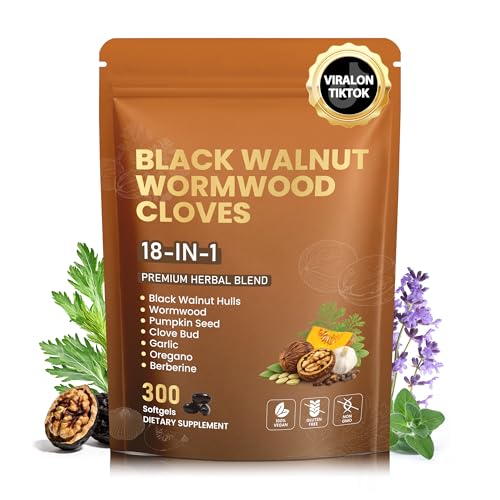
capsules, 2 capsules daily — Budget-friendly combination capsule pairing black walnut hull and wormwood, a common starter product - NOW Foods Wormwood
capsules, 1 capsule, 2x daily — Single-herb wormwood capsule from a widely trusted supplement manufacturer, good for readers wanting to build their own stack - Herb Pharm Black Walnut
liquid, 0.5-1 mL, 3x daily — Alcohol-based liquid extract from a respected small-batch herbal manufacturer, common alternative to capsule form
As an Amazon Associate we earn from qualifying purchases. Quality varies widely — always choose a product with a published third-party test (COA) before buying.
A Note on the Evidence
This article is informational only and does not constitute veterinary medical advice. Parasite cleanse herbs are not a substitute for laboratory-confirmed diagnosis or FDA-approved veterinary treatment. No controlled clinical trials validate multi-herb cleanse protocols in companion animals. Pregnant, nursing, pediatric, or medicated animals, and those with liver or neurologic conditions, are at heightened risk. Always consult a licensed veterinarian before administering any antiparasitic product to a pet.
Frequently Asked Questions
Can I give my dog a reduced dose of my human parasite cleanse supplement?
No. Dogs metabolize many botanical compounds differently than humans due to distinct cytochrome P450 profiles and glucuronidation capacity. Ingredients like wormwood (thujone), black walnut (juglone), and clove (eugenol) have documented toxicity risks in dogs at doses that may be tolerated by humans. Always consult a veterinarian for species-appropriate treatment.
Are there any peer-reviewed studies supporting herbal parasite cleanses in cats or dogs?
Published controlled trials evaluating multi-herb parasite cleanse protocols (wormwood, black walnut, clove, binders) in companion animals are extremely limited or absent. Most evidence for antiparasitic herbs comes from in vitro studies, livestock research, or human traditional use. Veterinary parasitology relies on FDA-approved anthelmintics with established efficacy and safety data.
Is diatomaceous earth safe for cats as a binder during a cleanse?
Food-grade diatomaceous earth can cause constipation, mucosal irritation, or GI impaction in cats, especially given their small size and grooming behavior (inhalation risk). No controlled studies evaluate its safety or parasite-binding efficacy in felines. Veterinary guidance is essential before using any binder in cats.

Why does my veterinarian recommend a fecal test before treating for parasites?
GI signs like diarrhea, weight loss, and vomiting overlap with many non-parasitic conditions (IBD, food allergy, pancreatic insufficiency, cancer). Fecal O&P, antigen ELISA, and PCR identify specific parasites (Giardia, Coccidia, roundworms, hookworms, tapeworms), enabling targeted therapy and avoiding unnecessary or ineffective treatment. Some parasites are zoonotic and require specific public health measures.
Do herbal cleanses prevent parasite resistance better than pharmaceuticals?
There is no evidence that intermittent herbal cycling prevents resistance. Subtherapeutic or irregular dosing of any antiparasitic agent — herbal or pharmaceutical — can select for resistant parasites. Resistance monitoring exists for approved veterinary anthelmintics; no such surveillance exists for herbal products.
Can I use a pet parasite cleanse product alongside my dog's prescription medications?
Herb-drug interactions are a significant concern. Wormwood may lower seizure threshold (risk with anticonvulsants). Black walnut may have anticoagulant effects (risk with NSAIDs, warfarin). Clove oil can affect liver enzymes. Always disclose all supplements to your veterinarian to assess interaction risks.
References
- Court MH et al. Molecular basis for deficient acetaminophen glucuronidation in cats. An interspecies comparison with other feline species. Biochemical pharmacology (1997). PMID 9174118
- Riviere JE et al. Interspecies allometric analysis of the comparative pharmacokinetics of 44 drugs across veterinary and laboratory animal species. Journal of veterinary pharmacology and therapeutics (1997). PMID 9430769
- Lachenmeier DW et al. Wormwood (Artemisia absinthium L.)–a curious plant with both neurotoxic and neuroprotective properties?. Journal of ethnopharmacology (2010). PMID 20542104
- True RG et al. Induced juglone toxicosis in ponies and horses. American journal of veterinary research (1980). PMID 7436086
- Uhlinger C et al. Black walnut toxicosis in ten horses. Journal of the American Veterinary Medical Association (1989). PMID 2768058
- Venkatesan A et al. Molecular evidence of widespread benzimidazole drug resistance in Ancylostoma caninum from domestic dogs throughout the USA and discovery of a novel beta-tubulin benzimidazole resistance mutation. PLoS pathogens (2023). PMID 36862759
These statements have not been evaluated by the Food and Drug Administration. This information is not intended to diagnose, treat, cure, or prevent any disease. Content is for informational purposes only and is not medical advice; consult a qualified healthcare provider before starting any supplement. As an Amazon Associate we earn from qualifying purchases.