Eugenol, the primary bioactive constituent of clove essential oil (Syzygium aromaticum), is widely used in dentistry, flavoring, and dietary supplements for its antimicrobial and analgesic properties. Despite its long history of use, the margin between therapeutic exposure and adverse effects — particularly hepatotoxicity and mucosal irritation — narrows significantly with concentrated essential oil preparations compared to whole spice consumption.
This article examines the established toxicological thresholds for eugenol, including Acceptable Daily Intake (ADI) values set by international bodies, the mechanistic basis for liver toxicity at high doses, and the concentration-dependent irritation potential on gastrointestinal mucosa. Understanding these limits is critical for formulating or using clove oil products safely within a parasite cleanse protocol or other regimens.
Key Takeaways
- The JECFA ADI for eugenol is 0–2.5 mg/kg/day; typical parasite cleanse doses of clove oil (90–270 mg/day) often exceed this limit for average adults.
- Hepatotoxicity risk rises sharply when Phase II conjugation (glucuronidation/sulfation) saturates, shunting metabolism to reactive quinone methide formation via CYP450.
- Mucosal irritation occurs at local concentrations >0.1–0.5%; undiluted oil requires encapsulation or dilution to prevent chemical gastritis/enteritis.
- Genetic polymorphisms, glutathione depletion, pediatric age, and pregnancy significantly lower the toxic threshold.
- Analytical verification (GC-MS) of eugenol content and purity is a prerequisite for accurate dosing and risk mitigation.
Regulatory Exposure Limits and Acceptable Daily Intake
International expert committees have evaluated eugenol safety extensively. The Joint FAO/WHO Expert Committee on Food Additives (JECFA) established an Acceptable Daily Intake (ADI) for eugenol of 0–2.5 mg/kg body weight per day, based on a No Observed Adverse Effect Level (NOAEL) derived from subchronic rodent studies with application of standard safety factors [1] [2]. The European Food Safety Authority (EFSA) and the U.S. FDA (GRAS status for flavoring use) generally align with this range for food additive applications, though specific supplement regulations differ.
It is critical to distinguish between exposure via food flavoring (typically microgram to low milligram levels per day) and therapeutic dosing of clove essential oil, which can deliver 100–300 mg of eugenol in a single 0.1–0.3 mL dose. A 70 kg adult consuming 150 mg of eugenol exceeds the upper ADI limit (175 mg/day) by a factor of roughly 1,000 relative to flavoring exposure, entering a dose range where saturation of metabolic pathways and direct cytotoxicity become plausible concerns.

Hepatotoxicity Mechanisms: Metabolic Saturation and Reactive Metabolites
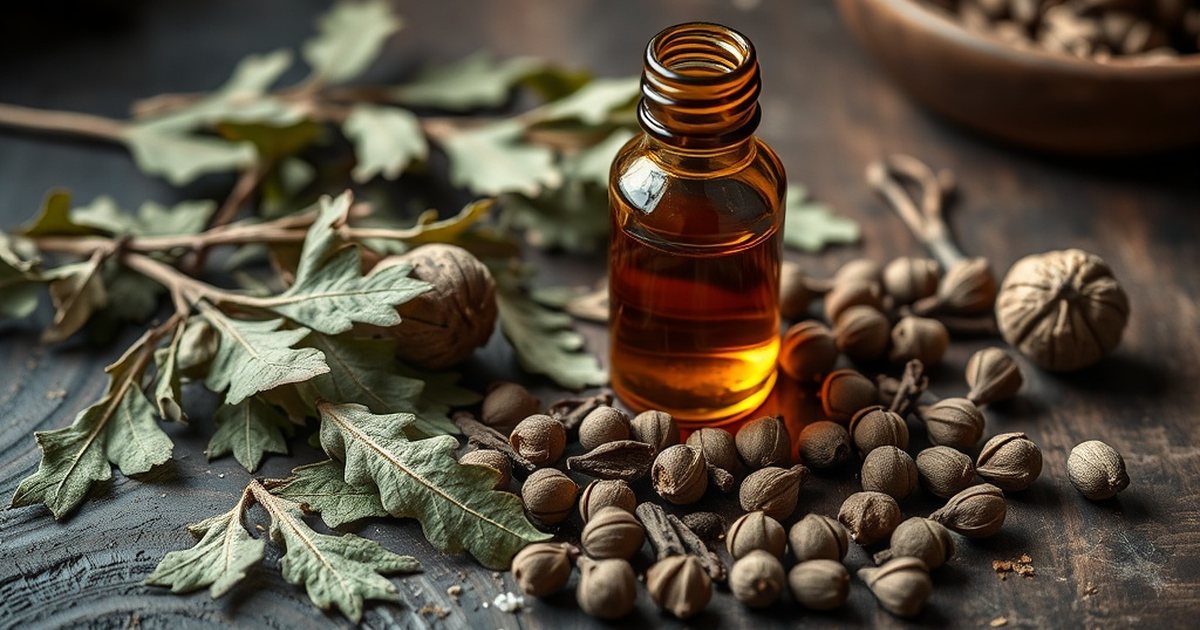
Eugenol undergoes extensive Phase II metabolism in the liver, primarily glucuronidation and sulfation, facilitating renal excretion [3]. At low dietary doses, these high-capacity, low-affinity pathways efficiently clear the compound. However, at high doses — typically exceeding 150–200 mg/kg in rodent models, but potentially lower in susceptible humans — these conjugation pathways become saturated.
When Phase II conjugation is overwhelmed, a greater fraction of eugenol is shunted toward Phase I oxidation by cytochrome P450 enzymes (notably CYP2E1 and CYP1A2), generating a reactive electrophilic quinone methide metabolite [4] [5]. This metabolite can deplete hepatic glutathione (GSH) reserves and form covalent adducts with cellular proteins and DNA, initiating oxidative stress, mitochondrial dysfunction, and centrilobular necrosis — the histological hallmark of eugenol-induced hepatotoxicity observed in acute overdose case reports and animal studies [6].
Human case reports document fulminant hepatic failure in infants after ingestion of clove oil (less than 8 mL in a 3-month-old, 10 mL in a 15-month-old) [7] [8], but the threshold for subclinical hepatotoxicity with repeated daily dosing in supplement contexts remains poorly defined in controlled trials. The non-linear pharmacokinetics due to metabolic saturation underscore why maximum daily limits cannot be linearly extrapolated from low-dose safety data.
Mucosal Irritation and Gastrointestinal Thresholds
Eugenol is a well-documented contact irritant and sensitizer. In vitro and animal models demonstrate concentration-dependent disruption of epithelial tight junctions, induction of pro-inflammatory cytokines (IL-1β, TNF-α), and activation of TRPV1 and TRPA1 nociceptors on sensory neurons [9] [10], producing burning sensation, hyperemia, and, at higher concentrations, ulceration.

The threshold for mucosal irritation in the human gastrointestinal tract is not precisely quantified but is generally associated with local concentrations exceeding 0.1–0.5% (1–5 mg/mL) in vehicle. Undiluted clove oil (80–90% eugenol) far exceeds this threshold. Clinical guidelines for dental use (e.g., temporary fillings, periodontal dressings) limit eugenol concentration and contact time specifically to prevent chemical burns and pulpitis [11]. For oral supplementation, encapsulation (enteric or softgel) and dilution in carrier oils are standard strategies to mitigate direct mucosal contact, though delayed release in the small intestine may shift irritation risk distally.
Pharmacokinetic Variability and Susceptible Subpopulations
Inter-individual variability in eugenol metabolism significantly influences toxicity risk. Genetic polymorphisms in UGT (UDP-glucuronosyltransferase) and SULT (sulfotransferase) enzymes, as well as CYP450 isoforms, alter the balance between safe conjugation and reactive metabolite formation. Conditions that deplete hepatic glutathione — such as fasting, chronic alcohol use, HIV/AIDS, or concomitant use of acetaminophen — lower the threshold for hepatotoxicity.
Pediatric populations are at heightened risk due to immature glucuronidation capacity; fulminant hepatic failure has been reported in infants after ingesting 10 mL or less of clove oil [7] [8]. Pregnant individuals should avoid therapeutic doses due to eugenol’s potential uterotonic effects and lack of reproductive toxicity data at supplement-level exposures. Patients on anticoagulants, antidiabetics, or CYP-metabolized drugs require medical supervision due to documented pharmacokinetic interactions.
Practical Dosing Considerations for Supplement Protocols
In the context of parasite cleanse protocols, clove oil is often dosed at 1–3 drops (approx. 30–90 mg eugenol) 1–3 times daily, typically for 2–4 weeks. This yields a daily eugenol intake of 90–270 mg, which for a 70 kg adult corresponds to 1.3–3.9 mg/kg/day — straddling or exceeding the JECFA ADI of 2.5 mg/kg/day.

While short-term use at these levels is common in integrative practice, the absence of controlled human safety data for repeated daily dosing at 2–4x the ADI warrants caution. Strategies to widen the safety margin include: using whole herb powder (lower eugenol concentration, matrix effects) instead of essential oil; strict adherence to cycle durations (e.g., 10 days on, 5 days off); co-administration of glutathione precursors (NAC, glycine) or binders to reduce enterohepatic recirculation; and baseline/follow-up liver enzyme monitoring (ALT, AST, GGT) for courses exceeding two weeks.

Analytical Quality and Adulteration Risks
The safety profile of any clove oil product is contingent on its chemical composition. ISO 3142 and pharmacopeial standards specify eugenol content (typically 75–88%), eugenyl acetate (5–15%), and beta-caryophyllene (5–12%), with limits on impurities such as safrole (a carcinogenic phenylpropene) and methyl eugenol. Adulteration with synthetic eugenol (derived from petrochemicals or basil oil) or dilution with carrier oils alters the toxicological profile and dose calculations.
Third-party GC-MS verification is essential to confirm eugenol percentage and screen for contaminants. Products lacking certificates of analysis introduce unquantifiable risk, as the actual eugenol dose per drop may deviate significantly from label claims, potentially pushing users past metabolic saturation thresholds unintentionally.
🛒 Where to Buy Parasite Cleanse Protocol
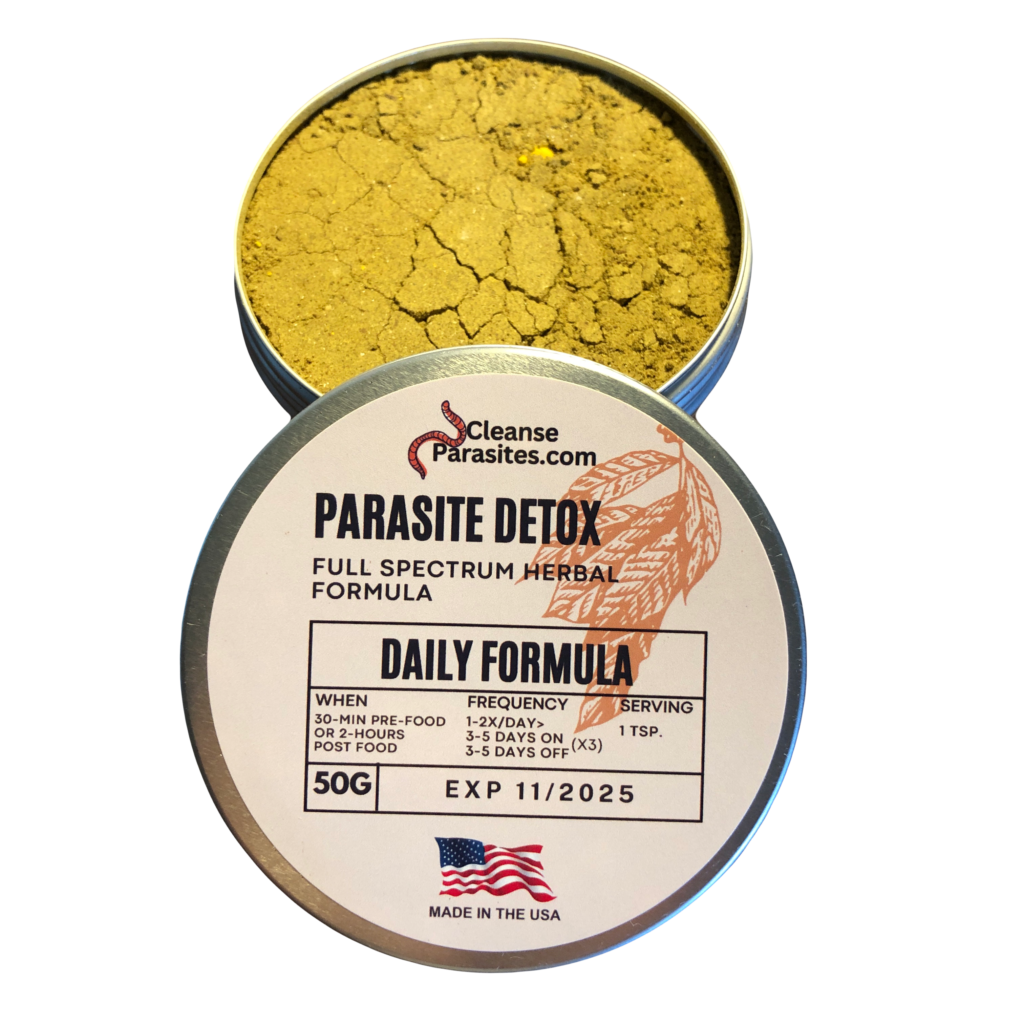
- CleanseParasites Herbal Parasite Cleanse Powder Editor’s Pick
The flagship product for this hub’s own protocol content — wormwood, black walnut hull, cloves, and more. - CleanseParasites Full Detox Bundle (all products) Editor’s Pick
The complete 11-week protocol bundle: parasite cleanse, metals binder, superfood, and more in one order. - Global Healing Paratrex I
oil-based liquid, 1 ml, 2x daily — Current MicroSomal formula is a pumpkin-seed and pomegranate-seed oil blend with essential oils; it no longer contains wormwood, clove or black walnut - Amazing Herbs Premium Black Walnut-Wormwood Complex
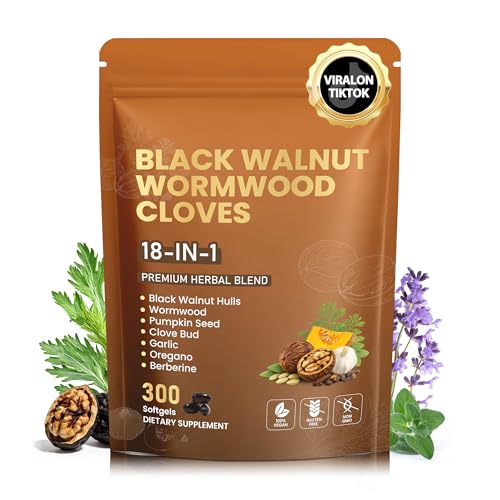
capsules, 2 capsules daily — Budget-friendly combination capsule pairing black walnut hull and wormwood, a common starter product - NOW Foods Wormwood
capsules, 1 capsule, 2x daily — Single-herb wormwood capsule from a widely trusted supplement manufacturer, good for readers wanting to build their own stack - Herb Pharm Black Walnut
liquid, 0.5-1 mL, 3x daily — Alcohol-based liquid extract from a respected small-batch herbal manufacturer, common alternative to capsule form
As an Amazon Associate we earn from qualifying purchases. Quality varies widely — always choose a product with a published third-party test (COA) before buying.
A Note on the Evidence
This information is educational and not medical advice. Clove oil and eugenol supplements are not FDA-approved to diagnose, treat, cure, or prevent any disease. Maximum safe durations and doses for parasite cleanse protocols have not been established in controlled clinical trials. Individuals who are pregnant, nursing, under 18, have liver disease, G6PD deficiency, bleeding disorders, or take medications (especially anticoagulants, antidiabetics, or CYP450 substrates) must consult a qualified healthcare provider before use. Discontinue immediately if signs of hepatotoxicity (jaundice, dark urine, right upper quadrant pain, unexplained fatigue) or severe GI irritation occur.
Frequently Asked Questions
What is the maximum safe daily dose of clove oil for an adult?
There is no universally established maximum safe dose for clove oil as a supplement. Regulatory bodies set an ADI for eugenol at 2.5 mg/kg/day (approx. 175 mg for a 70 kg adult) based on food flavoring safety. Supplement protocols often exceed this; safety at higher doses depends on duration, formulation, and individual metabolic capacity.
Can clove oil cause liver damage at parasite cleanse dosages?
Fulminant hepatic failure has been documented in two infant case reports after ingestion of 10 mL or less of clove oil; the cited reports do not establish an adult threshold. Subclinical hepatotoxicity from repeated daily doses near 150–300 mg eugenol is plausible due to metabolic saturation and reactive metabolite formation, especially in individuals with low glutathione status or UGT polymorphisms, though controlled human data at these doses are lacking.
How does enteric coating affect eugenol absorption and irritation?
Enteric coating prevents gastric release, reducing stomach irritation and the characteristic burning sensation. However, it shifts eugenol release to the small intestine, where absorption is efficient and mucosal surface area is vast; this may increase systemic exposure (hepatic load) while moving irritation risk to the duodenum/jejunum.

Is whole clove powder safer than clove essential oil?
Whole clove powder contains 10–18% essential oil by weight, delivering far less eugenol per gram (approx. 80–150 mg/g) than the oil itself (800–900 mg/g). The fiber and lipid matrix may slow absorption, potentially reducing peak concentrations and metabolic saturation risk, making it a lower-risk option for extended protocols.
What liver enzymes should be monitored during a clove oil protocol?
Clinicians typically monitor ALT, AST, and GGT at baseline and after 2–4 weeks of daily use. Elevations >2x ULN (Upper Limit of Normal) warrant discontinuation. Bilirubin and INR should be checked if transaminitis occurs.
Does eugenol interact with medications metabolized by CYP450?
Eugenol inhibits CYP2E1, CYP1A2, CYP2C9, and CYP3A4 in vitro. At supplement doses, it may increase plasma levels of drugs metabolized by these enzymes (e.g., warfarin, phenytoin, theophylline, certain antidiabetics). Medical supervision is advised for anyone on prescription medications.
References
- Gooderham NJ et al. FEMA GRAS assessment of natural flavor complexes: Clove, cinnamon leaf and West Indian bay leaf-derived flavoring ingredients. Food Chem Toxicol (2020). PMID 32702506
- Vijayasteltar L et al. Safety assessment of a standardized polyphenolic extract of clove buds: Subchronic toxicity and mutagenicity studies. Toxicol Rep (2016). PMID 28959566
- Fischer IU et al. The metabolism of eugenol in man. Xenobiotica (1990). PMID 2333717
- Thompson DC et al. Comparative toxicity of eugenol and its quinone methide metabolite in cultured liver cells using kinetic fluorescence bioassays. Toxicol Appl Pharmacol (1998). PMID 9512727
- Bolton JL et al. The influence of 4-alkyl substituents on the formation and reactivity of 2-methoxy-quinone methides: evidence that extended pi-conjugation dramatically stabilizes the quinone methide formed from eugenol. Chem Biol Interact (1995). PMID 7728898
- Mizutani T et al. Hepatotoxicity of eugenol and related compounds in mice depleted of glutathione: structural requirements for toxic potency. Res Commun Chem Pathol Pharmacol (1991). PMID 1882130
- Eisen JS et al. N-acetylcysteine for the treatment of clove oil-induced fulminant hepatic failure. J Toxicol Clin Toxicol (2004). PMID 15083943
- Janes SE et al. Essential oil poisoning: N-acetylcysteine for eugenol-induced hepatic failure and analysis of a national database. Eur J Pediatr (2005). PMID 15895251
- Chung G et al. Activation of transient receptor potential ankyrin 1 by eugenol. Neuroscience (2014). PMID 24384226
- Latorre KL et al. Polymodal Activation and Desensitization of TRPV1 Receptor in Human Odontoblasts-Like Cells with Eugenol. Int J Dent (2020). PMID 33456468
- Markowitz K et al. Biologic properties of eugenol and zinc oxide-eugenol. A clinically oriented review. Oral Surg Oral Med Oral Pathol (1992). PMID 1437045
These statements have not been evaluated by the Food and Drug Administration. This information is not intended to diagnose, treat, cure, or prevent any disease. Content is for informational purposes only and is not medical advice; consult a qualified healthcare provider before starting any supplement. As an Amazon Associate we earn from qualifying purchases.