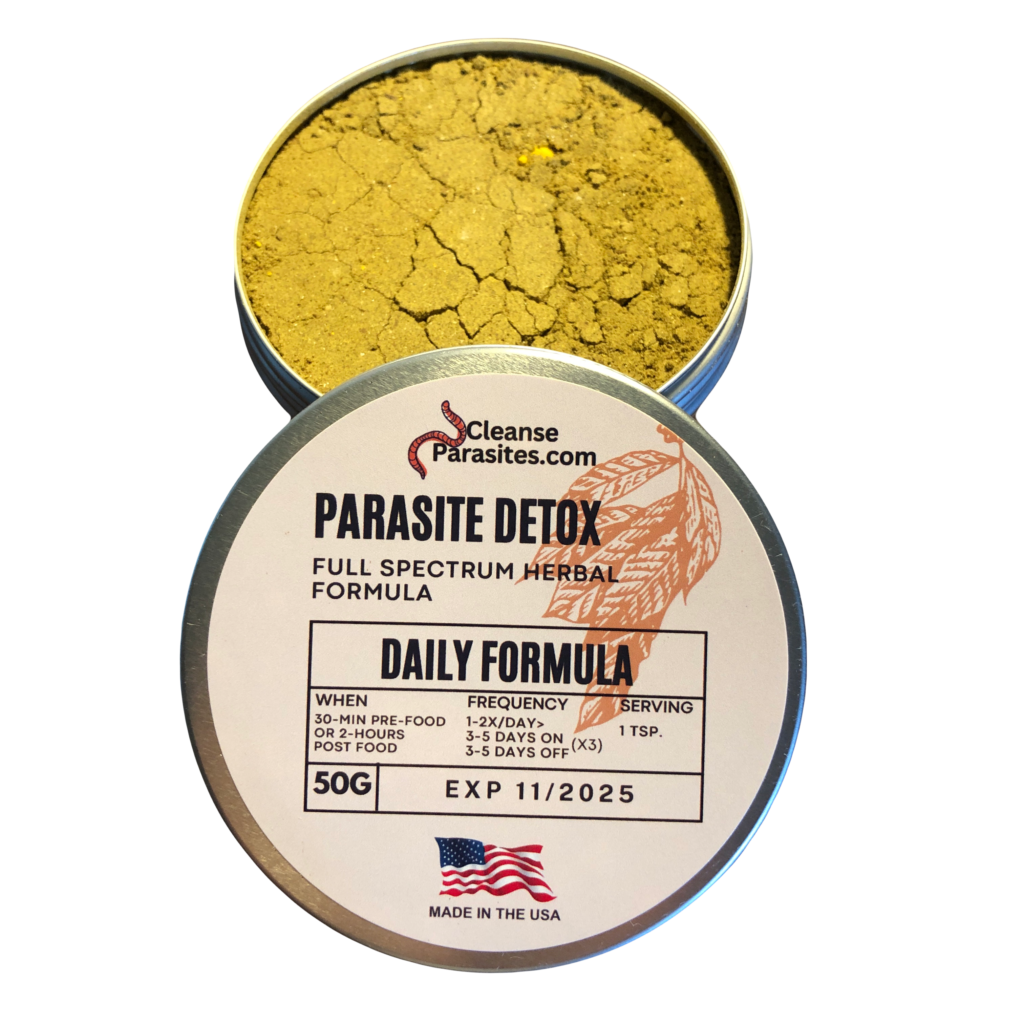
Pumpkin seed has one of the longer track records of any food-based antiparasitic remedy, with case reports describing its use against tapeworm dating back over 170 years. The compounds getting attention are cucurbitacins, a class of bitter-tasting triterpenoids found throughout the Cucurbitaceae family (pumpkins, bottle gourd, bitter melon relatives, and other gourds), along with cucurbitin, an amino acid more specific to pumpkin seed itself.
Most of the rigorous laboratory work on cucurbitacins and parasites has actually been done in plant nematodes rather than human intestinal parasites, using cucurbitacin-rich gourd extracts as biopesticides. The human data is older, smaller, and in some cases pairs pumpkin seed with another agent rather than testing it alone. This article lays out what each piece of evidence actually shows, and where the gaps are.
Key Takeaways
- Pumpkin seed’s antiparasitic reputation for tapeworm rests mainly on 19th-century case reports [1] [2] and a modern combination study with areca nut [3], not on pumpkin seed tested alone in controlled human trials.
- Cucurbitacins are a defining chemical feature across the whole gourd family, documented in related species like Momordica cymbalaria [4] and bottle gourd [5], which is why pumpkin’s antiparasitic reputation gets extended to cucurbitacin as a compound class.
- The strongest mechanistic evidence for cucurbitacin disrupting nematode juveniles comes from plant and soil nematode research [6] [7], not human intestinal parasite studies.
- Cucurbitacin-containing extracts can have unpredictable shelf-life and potency [8], which matters for anyone relying on a specific dose from a supplement.
- None of this evidence supports pumpkin seed or cucurbitacin as a replacement for a lab-confirmed parasite diagnosis or medical treatment.
What Cucurbitacins Are and Where They Come From
Cucurbitacins are bitter triterpenoid compounds produced widely across the gourd family. Reviews of related Cucurbitaceae species document this chemistry in detail: a review of Momordica cymbalaria describes its phytochemical profile, including cucurbitacin-type constituents, alongside its traditional uses [4], and a comprehensive review of bottle gourd (Lagenaria siceraria) similarly catalogs its phytochemicals and traditional medicinal applications [5]. These reviews establish that cucurbitacins are a defining, family-wide feature of gourds, not something unique to pumpkin, which is the basis for grouping pumpkin seed’s traditional antiparasitic reputation with the wider Cucurbitaceae literature.
It’s worth being precise here: these two reviews are about related gourd species, not pumpkin seed itself, and they describe traditional and pharmacological uses in general (not specifically deworming). They’re useful for understanding the chemical family cucurbitacins belong to, not as direct evidence that pumpkin seed cures a parasitic infection.

The 19th-Century Tapeworm Case Reports
The oldest and most specific evidence for pumpkin seed against tapeworm comes from two mid-1800s case reports in the Buffalo Medical Journal, both titled around the same finding: physicians documenting the successful expulsion of tapeworm following administration of pumpkin seed [1] [2]. These are clinical case observations from 1852 and 1855, not controlled trials. They predate modern parasitology, statistical methods, and standardized dosing, and they describe outcomes in individual patients rather than a study population.
These reports are historically important as the origin of pumpkin seed’s reputation as a vermifuge, and they’ve held up well enough that pumpkin seed shows up again in modern combination studies (below). But taken on their own, 170-year-old case reports don’t meet the bar of contemporary evidence. They tell us the observation is old and consistent, not that the mechanism or effect size is well characterized.
Modern Evidence: Pumpkin Seed Combined With Areca Nut
The most relevant modern human study comes from a community-based treatment program in northwest Sichuan Province, China, evaluating pumpkin seed combined with areca nut extract for human taeniasis (tapeworm infection) [3]. This study reported that the combination was useful for expelling tapeworm in a real-world treatment setting, giving some modern support to the historical case reports.

The key limitation: this is a combination therapy, not pumpkin seed alone. Areca nut has its own established anthelmintic activity, so the study cannot isolate how much of the effect is attributable to pumpkin seed versus areca nut versus the two working together. Anyone framing this as proof that pumpkin seed alone expels tapeworm is overstating what the study actually tested.
Cucurbitacin Activity Against Nematodes: The Plant Science Angle
A separate and more mechanistically detailed body of work looks at cucurbitacin-containing extracts, developed as phytonematicides (plant-derived nematode control products, brand name Nemafric-BL), and their effects on nematode juveniles. One study found that Nemafric-BL phytonematicide altered morphometric measurements and total protein levels in second-stage juveniles of the root-knot nematode Meloidogyne incognita [6]. A related study on free-living Steinernema feltiae infective juveniles found dose-dependent morphological adjustments as phytonematicide concentration increased [7].
These findings support a plausible mechanism: cucurbitacin-rich extracts can physically and biochemically disrupt nematode juveniles in a concentration-dependent way. However, both studies were done in plant-parasitic or free-living soil nematodes, not the intestinal parasites (like tapeworms or roundworms) relevant to human deworming. It’s reasonable to view this as supportive mechanistic evidence for antiparasitic activity broadly, but it should not be read as evidence about human gut parasites specifically.
A practical caveat also worth knowing: a stability study on these same cucurbitacin-containing phytonematicides found that their shelf life did not conform to the standard Arrhenius model used to predict degradation over time [8], meaning these bioactive extracts can be less predictable in storage and potency than simpler synthetic compounds. That’s a formulation detail from agricultural product research, not a claim about pumpkin seed supplements, but it’s a reminder that plant-based bioactives in general can vary in potency batch to batch.

A Note on Unrelated Mechanism Research
One piece of evidence sometimes referenced alongside cucurbitacin research is a study on P2 purinergic receptor signaling to STAT3 in astrocytes, comparing P2Y and P2X receptor activation [9]. To be direct: this study is about receptor signaling in brain support cells (astrocytes), not about parasites, cucurbitacins, or pumpkin seed at all. It sometimes gets pulled into cucurbitacin discussions because cucurbitacins are separately studied elsewhere (in cancer research, not covered by the evidence list here) as STAT3 pathway inhibitors. Given the evidence available for this article, there is no direct link to draw between this receptor study and pumpkin seed’s antiparasitic reputation, and it should not be cited as support for a deworming claim.
🛒 Where to Buy Parasite Cleanse Protocol
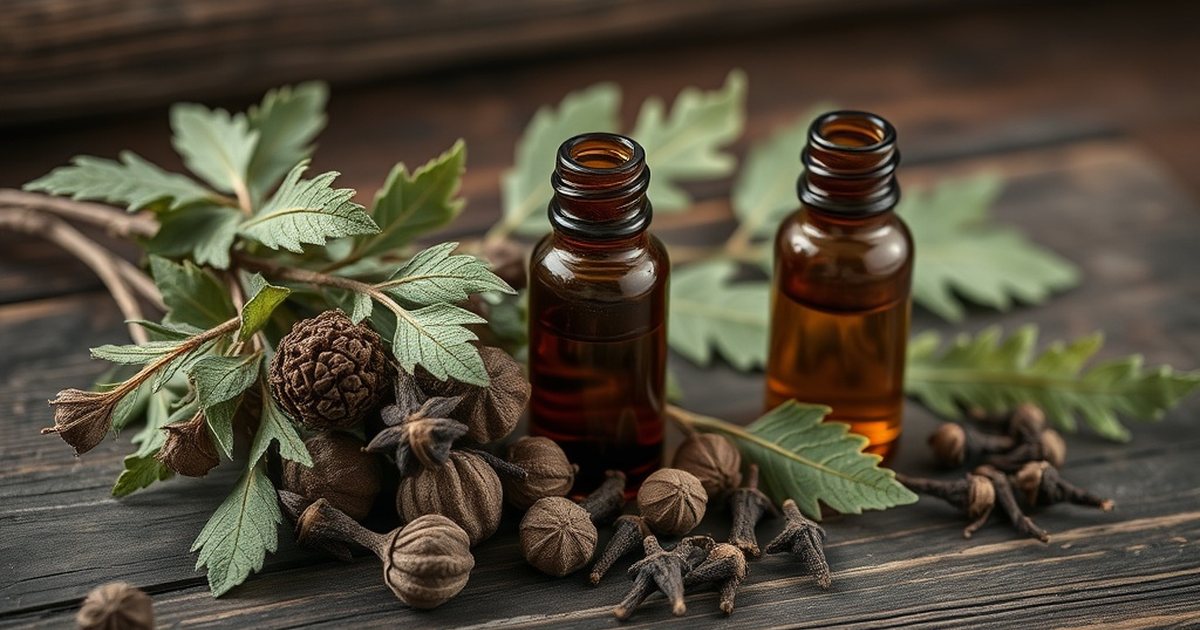
- CleanseParasites Herbal Parasite Cleanse Powder Editor’s Pick
The flagship product for this hub’s own protocol content — wormwood, black walnut hull, cloves, and more. - CleanseParasites Full Detox Bundle (all products) Editor’s Pick
The complete 11-week protocol bundle: parasite cleanse, metals binder, superfood, and more in one order. - Global Healing Paratrex I
oil-based liquid, 1 ml, 2x daily — Current MicroSomal formula is a pumpkin-seed and pomegranate-seed oil blend with essential oils; it no longer contains wormwood, clove or black walnut - Amazing Herbs Premium Black Walnut-Wormwood Complex
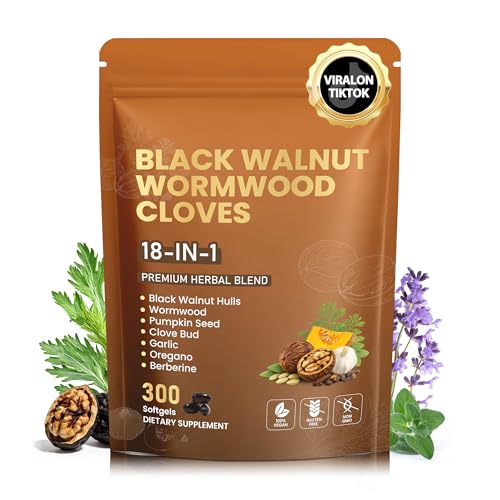
capsules, 2 capsules daily — Budget-friendly combination capsule pairing black walnut hull and wormwood, a common starter product - NOW Foods Wormwood
capsules, 1 capsule, 2x daily — Single-herb wormwood capsule from a widely trusted supplement manufacturer, good for readers wanting to build their own stack - Herb Pharm Black Walnut
liquid, 0.5-1 mL, 3x daily — Alcohol-based liquid extract from a respected small-batch herbal manufacturer, common alternative to capsule form
As an Amazon Associate we earn from qualifying purchases. Quality varies widely — always choose a product with a published third-party test (COA) before buying.
A Note on the Evidence
This article is informational, not medical advice, and these statements have not been evaluated by the FDA. Pumpkin seed and cucurbitacin are not a substitute for lab-confirmed diagnosis or medical treatment of a parasitic infection; anyone who is pregnant or nursing, has children, or is on medication should talk to a healthcare provider before trying a parasite cleanse protocol.
Frequently Asked Questions
Does pumpkin seed kill tapeworms in humans?
The direct human evidence is old: two 19th-century case reports describe successful tapeworm expulsion after pumpkin seed [1] [2], and a more recent study found benefit when pumpkin seed was combined with areca nut extract [3]. There isn’t a modern controlled trial testing pumpkin seed alone against a placebo.
What is cucurbitacin and why is it linked to parasites?
Cucurbitacin is a bitter triterpenoid compound found throughout the Cucurbitaceae (gourd) family, documented in reviews of related species like Momordica cymbalaria [4] and bottle gourd [5]. Its antiparasitic reputation is tied to pumpkin seed’s traditional use and to laboratory studies showing cucurbitacin-containing extracts disrupt nematode juveniles [6] [7].
Is the nematode research relevant to human parasites?
Only indirectly. Those studies were done in plant-parasitic and free-living soil nematodes as part of developing plant-based nematicides [6] [7], not in human intestinal parasites like tapeworms or roundworms. They support a plausible mechanism but aren’t direct evidence for human deworming.

Can pumpkin seed alone replace tapeworm medication?
No. A community study of human taeniasis tested pumpkin seed combined with areca nut extract, and its small pumpkin-seed-alone comparison group (12 confirmed cases) expelled whole tapeworms in 75% of cases but took much longer [3]. Anyone with a suspected parasitic infection should get a lab-confirmed diagnosis and follow their healthcare provider’s treatment plan.
Does cucurbitacin potency stay consistent in supplements?
Not necessarily. A stability study on cucurbitacin-containing phytonematicides found their shelf life didn’t follow standard predictive decay models [8], suggesting these compounds can degrade unpredictably over time, which is a relevant consideration for supplement potency and storage.
Is there any unrelated research sometimes mixed into this topic?
Yes. A study on P2 purinergic receptor signaling to STAT3 in astrocytes [9] is about brain cell signaling, not parasites or pumpkin seed, and shouldn’t be treated as supporting evidence for antiparasitic claims.
References
- et al. Expulsion of Tape-Worm by Pumpkin Seeds. The Buffalo medical journal and monthly review of medical and surgical science (1852). PMID 35375510
- et al. The Expulsion of Tape-Worm by Pumpkin Seed. The Buffalo medical journal and monthly review of medical and surgical science (1855). PMID 35375890
- Li T et al. Usefulness of pumpkin seeds combined with areca nut extract in community-based treatment of human taeniasis in northwest Sichuan Province, China. Acta tropica (2012). PMID 22910218
- Mohammed FS et al. A review on the traditional uses, nutritive importance, pharmacognostic features, phytochemicals, and pharmacology of Momordica cymbalaria Hook F. PeerJ (2024). PMID 38436002
- Zahoor M et al. A Comprehensive Review on the Medicinal Importance; Biological and Therapeutic Efficacy of Lagenaria siceraria (Mol.) (Bottle Gourd) Standley Fruit. Current topics in medicinal chemistry (2021). PMID 34218789
- Mashela PW et al. Morphometric and total protein responses in Meloidogyne incognita second-stage juveniles to Nemafric-BL phytonematicide. Scientific reports (2021). PMID 33441821
- Mashela PW et al. Morphological adjustment in free-living Steinernema feltiae infective juveniles to increasing concentration of Nemafric-BL phytonematicide. PloS one (2020). PMID 31899763
- Mashela PW et al. Shelf-life in cucurbitacin-containing phytonematicides: Non-conformity to Arrhenius model. PloS one (2020). PMID 32049984
- Washburn KB et al. P2 purinergic receptors signal to STAT3 in astrocytes: Difference in STAT3 responses to P2Y and P2X receptor activation. Neuroscience (2006). PMID 16905269
These statements have not been evaluated by the Food and Drug Administration. This information is not intended to diagnose, treat, cure, or prevent any disease. Content is for informational purposes only and is not medical advice; consult a qualified healthcare provider before starting any supplement. As an Amazon Associate we earn from qualifying purchases.