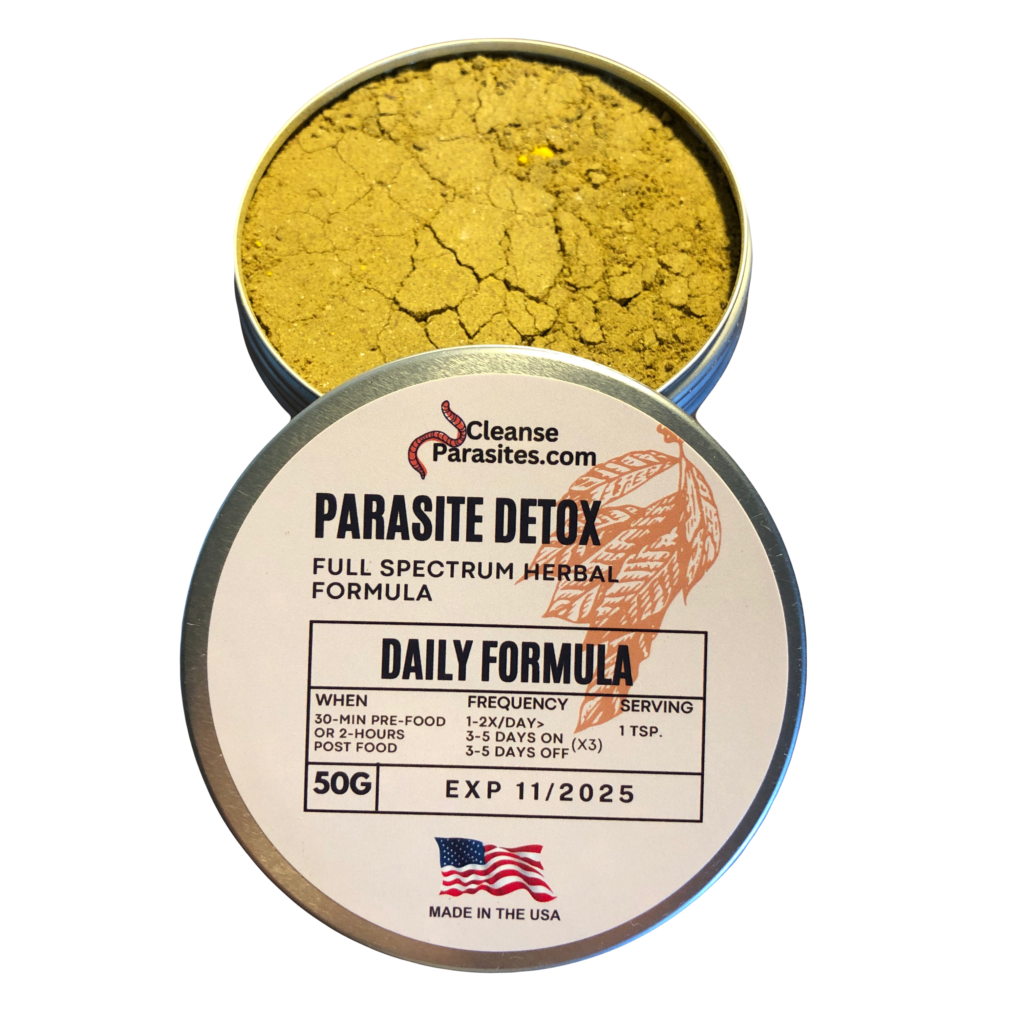
Parasitic infections affect millions globally, yet treatment approaches vary widely between conventional prescription medications and herbal protocols. Prescription antiparasitics like albendazole, mebendazole, and ivermectin have established dosing regimens and regulatory oversight, while herbal combinations such as wormwood, black walnut hull, and clove have traditional use but less standardized research.
This article examines what is known about both approaches, including mechanisms of action, documented resistance patterns, recurrence considerations, and the current evidence landscape. Understanding these differences helps inform discussions with healthcare providers about appropriate diagnostic and treatment pathways.
Key Takeaways
- Prescription antiparasitics have established efficacy, dosing, and safety data for specific indications; herbal protocols lack comparable clinical trial evidence.
- Anthelmintic resistance is documented for prescription drugs with known molecular mechanisms; herbal resistance potential is unstudied in humans.
- Recurrence after treatment often reflects reinfection rather than treatment failure — environmental and sanitation factors are critical.
- Laboratory-confirmed diagnosis is essential before any antiparasitic intervention to avoid misdiagnosis and inappropriate treatment.
- Both approaches carry risks; medical supervision, appropriate monitoring, and pregnancy/medication contraindication screening are necessary.
Mechanisms of Action: How Prescription and Herbal Agents Work
Prescription antiparasitics typically target specific parasite biology. Benzimidazoles (albendazole, mebendazole) inhibit microtubule polymerization by binding to beta-tubulin, disrupting glucose uptake and energy production[1]. Ivermectin binds glutamate-gated chloride channels, causing paralysis[2]. Praziquantel increases calcium permeability in tegument membranes[3]. These mechanisms are well-characterized through pharmacokinetic and pharmacodynamic studies.
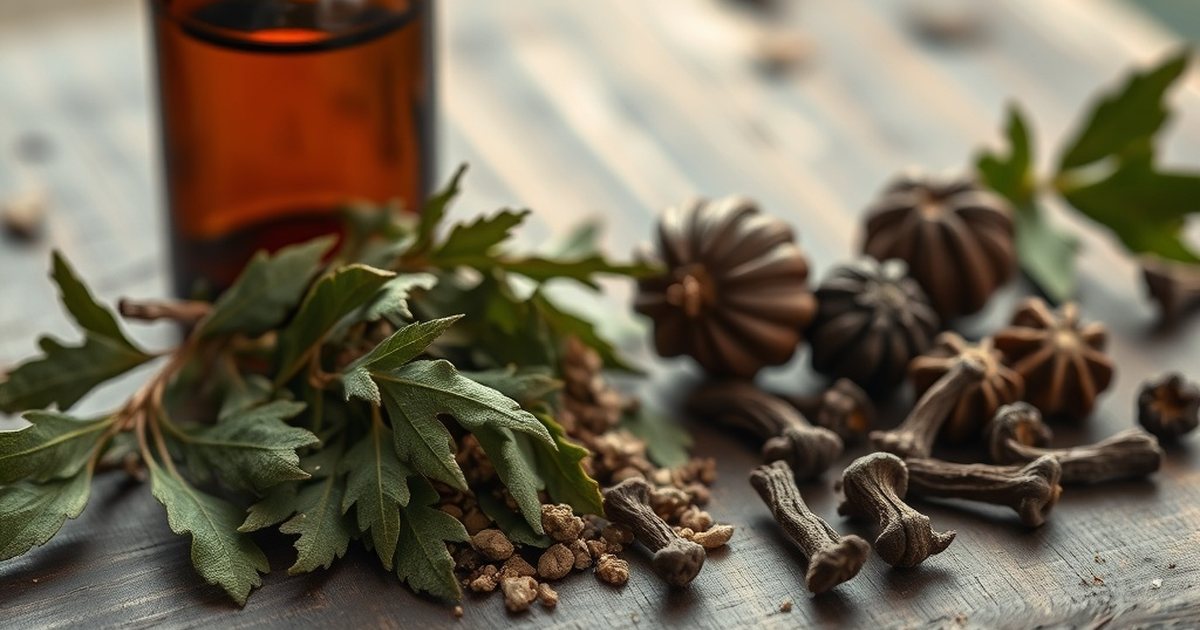
Herbal protocols often combine multiple botanicals with proposed complementary actions. Wormwood (Artemisia absinthium) contains artemisinin derivatives and thujone, which may generate reactive oxygen species and disrupt membrane integrity. Black walnut hull (Juglans nigra) provides juglone, a naphthoquinone with antimicrobial properties. Clove (Syzygium aromaticum) contributes eugenol, which may affect egg viability and larval development. Binders like diatomaceous earth or mimosa pudica seed are added to adsorb toxins and support elimination. These mechanisms are largely inferred from in vitro and animal data rather than human pharmacokinetic studies.
Efficacy Data: What Comparative Research Exists
Direct head-to-head clinical trials comparing prescription regimens to multi-herb protocols in humans are extremely limited. Prescription agents have been evaluated in numerous randomized controlled trials for specific indications (e.g., albendazole for soil-transmitted helminths, ivermectin for strongyloidiasis), but measured efficacy varies sharply by species rather than being uniformly high. A network meta-analysis of 55 randomized trials found all four recommended drugs highly efficacious against Ascaris lumbricoides, albendazole the best option against hookworm at a 79.5% cure rate, and every drug weak against Trichuris trichiura, where mebendazole led at 42.1% and albendazole’s cure rate fell from 38.6% to 16.4% between 1995 and 2015[4]. Ivermectin performs strongly in its own niche: in a randomized trial in chronic strongyloidiasis, a single 200-microgram/kg dose cleared larvae in 96.8% of patients versus 63.3% for a 7-day high-dose albendazole course[5].

Herbal protocol efficacy data consists primarily of in vitro studies, animal models, and small uncontrolled human observations. Some individual herbs show antiparasitic activity in laboratory settings — for example, artemisinin derivatives from Artemisia species have documented activity against malaria parasites, and eugenol demonstrates effects on certain nematodes in vitro. However, translation to clinical outcomes for intestinal polyparasitism using combination herbal protocols lacks rigorous trial data. The variability in herbal product standardization, dosing, and treatment duration further complicates efficacy assessment.
Resistance Development: Documented Patterns and Theoretical Concerns
Anthelmintic resistance is a well-documented phenomenon in veterinary medicine and increasingly recognized in human parasites. Benzimidazole resistance involves specific beta-tubulin gene mutations (F167Y, E198A, F200Y) and has been reported in human hookworm, Trichuris trichiura, and Ascaris lumbricoides populations[6]. Ivermectin resistance mechanisms include glutamate-gated chloride channel modifications and P-glycoprotein efflux pumps[2]. Resistance monitoring relies on egg count reduction tests and molecular markers.
Herbal resistance data is virtually nonexistent in human parasites. The multi-constituent nature of botanical preparations theoretically reduces selection pressure for single-target resistance, but this remains hypothetical. No standardized resistance surveillance exists for herbal protocols. Some in vitro studies suggest parasites can develop reduced susceptibility to individual plant compounds under sustained exposure, but clinical relevance is unknown. The lack of resistance monitoring for herbal approaches represents a significant evidence gap.
Recurrence and Reinfection: Distinguishing Treatment Failure from Re-exposure
Recurrence after prescription treatment can reflect true treatment failure (inadequate drug exposure, resistance, poor absorption), incomplete clearance of tissue-dwelling stages, or reinfection from environmental exposure. For soil-transmitted helminths, reinfection rates in endemic areas can exceed 50% within 6-12 months without sanitation improvements[7]. Strongyloides autoinfection cycles can persist despite treatment if immunosuppression continues[8]. Follow-up testing at defined intervals (typically 2-4 weeks post-treatment) is standard practice to distinguish these scenarios.
Herbal protocol recurrence data lacks systematic study. Proponents often recommend extended or cyclical dosing (e.g., 10 days on, 5 days off, repeated for 30-90 days) to address parasite life cycles, but optimal duration is not evidence-defined. Without standardized post-treatment testing protocols, distinguishing between incomplete clearance, resistance, and reinfection is challenging. The role of binders in reducing recurrence by interrupting enterohepatic recirculation of parasite antigens or toxins remains theoretical.

Safety Profiles and Monitoring Requirements
Prescription antiparasitics have established safety databases from mass drug administration programs and clinical use. Common adverse effects include gastrointestinal upset, headache, dizziness, and transient transaminase elevations. Serious but rare effects include neutropenia (albendazole), neurotoxicity (ivermectin in high-dose or CNS-penetrating contexts), and QT prolongation (some regimens). Pregnancy contraindications vary by agent. Baseline and follow-up labs (CBC, LFTs) are sometimes recommended for extended courses.
Herbal protocol safety data is limited to individual herb monographs and traditional use records. Wormwood contains thujone, which is neurotoxic at high doses and contraindicated in pregnancy[9]. Black walnut hull juglone can cause contact dermatitis and may interact with medications metabolized by CYP450 enzymes. Clove oil eugenol has anticoagulant properties and hepatotoxicity risk at high doses. Diatomaceous earth inhalation risk requires handling precautions. No standardized monitoring protocols exist. Drug-herb interactions are poorly characterized but theoretically significant given CYP450 modulation by multiple constituents.
Diagnostic Foundation: The Prerequisite for Any Treatment Decision
Accurate diagnosis precedes appropriate treatment selection. Microscopy (ova and parasite exam), PCR panels, serology, and antigen testing each have species-specific sensitivities. Polyparasitism is common in endemic regions. Empiric treatment without confirmation risks missing non-parasitic causes (SIBO, IBD, food intolerances), delaying correct diagnosis, and exposing patients to unnecessary medication risks.
Herbal protocols are sometimes initiated based on symptom questionnaires or alternative testing methods (e.g., bioresonance, muscle testing) that lack diagnostic validity. This approach cannot distinguish parasitic from non-parasitic etiologies, nor identify specific species to guide targeted therapy. Professional guidelines consistently recommend laboratory-confirmed diagnosis before any antiparasitic intervention, whether prescription or herbal.

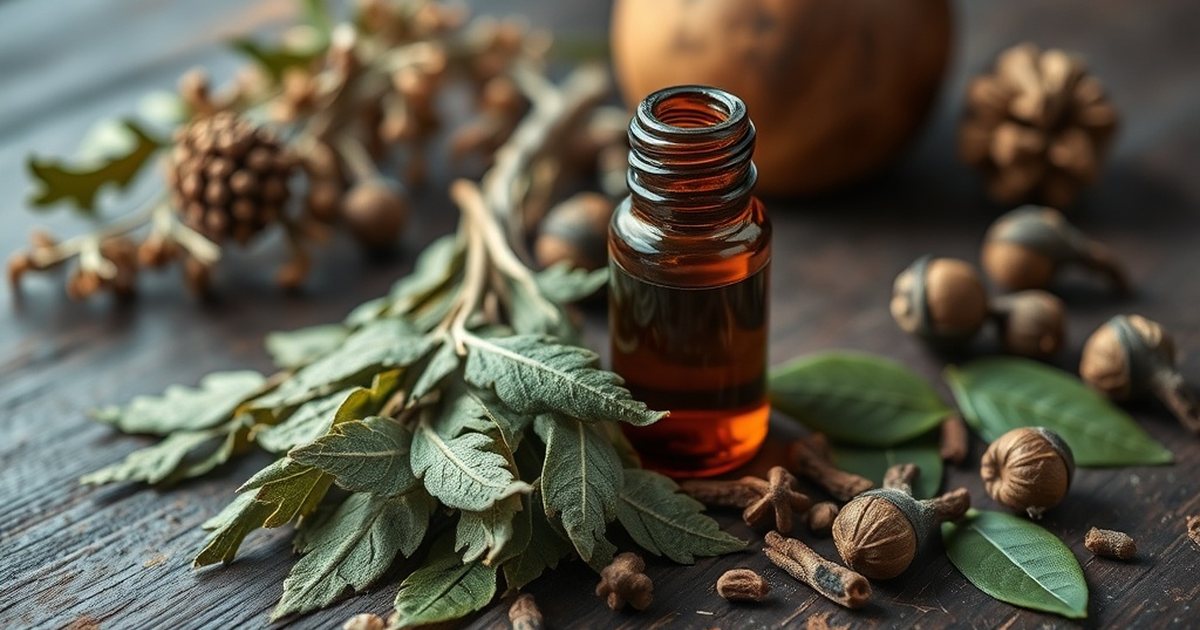
🛒 Where to Buy Parasite Cleanse Protocol
- CleanseParasites Herbal Parasite Cleanse Powder Editor’s Pick
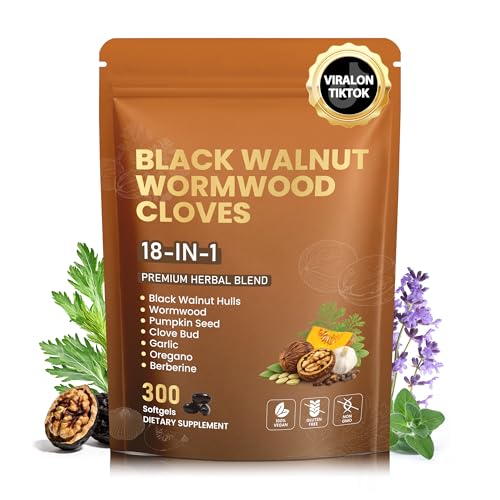
The flagship product for this hub’s own protocol content — wormwood, black walnut hull, cloves, and more. - CleanseParasites Full Detox Bundle (all products) Editor’s Pick
The complete 11-week protocol bundle: parasite cleanse, metals binder, superfood, and more in one order. - Global Healing Paratrex I
oil-based liquid, 1 ml, 2x daily — Current MicroSomal formula is a pumpkin-seed and pomegranate-seed oil blend with essential oils; it no longer contains wormwood, clove or black walnut - Amazing Herbs Premium Black Walnut-Wormwood Complex
capsules, 2 capsules daily — Budget-friendly combination capsule pairing black walnut hull and wormwood, a common starter product - NOW Foods Wormwood
capsules, 1 capsule, 2x daily — Single-herb wormwood capsule from a widely trusted supplement manufacturer, good for readers wanting to build their own stack - Herb Pharm Black Walnut
liquid, 0.5-1 mL, 3x daily — Alcohol-based liquid extract from a respected small-batch herbal manufacturer, common alternative to capsule form
As an Amazon Associate we earn from qualifying purchases. Quality varies widely — always choose a product with a published third-party test (COA) before buying.
A Note on the Evidence
This article is informational only and not medical advice. Parasitic infections require laboratory-confirmed diagnosis and individualized treatment. Prescription and herbal antiparasitics carry risks including drug interactions, organ toxicity, and pregnancy contraindications. Consult a licensed healthcare provider before initiating any antiparasitic regimen.
Frequently Asked Questions
Are herbal parasite cleanses as effective as prescription medications?
No head-to-head clinical trials demonstrate equivalence. Prescription agents have documented cure rates >85% for specific parasites in controlled trials; herbal protocol efficacy in humans lacks rigorous study.
Can parasites become resistant to herbal protocols?
Resistance to herbal preparations has not been systematically studied in human parasites. The multi-constituent nature may theoretically reduce single-target resistance selection, but this remains unproven clinically.
Why do symptoms return after a parasite cleanse?
Symptom recurrence may reflect reinfection from environmental exposure, incomplete clearance of all parasite stages, misdiagnosis (non-parasitic cause), or treatment failure. Without post-treatment testing, the cause cannot be determined.
Is it safe to combine prescription and herbal antiparasitics?
Drug-herb interactions are poorly characterized. Multiple herbal constituents modulate CYP450 enzymes and transporters that affect drug metabolism. Combination should only occur under medical supervision with interaction review.
How do I know if I actually have parasites?
Validated diagnostics include stool ova and parasite microscopy, PCR panels, serology, and antigen testing. Symptom questionnaires and alternative testing methods lack diagnostic validity for parasitic infection.
What should I discuss with my doctor before starting any antiparasitic protocol?
Share travel history, symptom timeline, prior test results, current medications, supplements, pregnancy status, and liver/kidney function. Request appropriate diagnostic testing before treatment initiation.
References
- Lacey E, Gill JH. Biochemistry of benzimidazole resistance. Acta Trop (1994). PMID 8203306
- Johnson-Arbor K. Ivermectin: a mini-review. Clin Toxicol (Phila) (2022). PMID 35225114
- Harder A. Activation of transient receptor potential channel Sm.(Schistosoma mansoni)TRPMPZQ by PZQ, enhanced Ca++ influx, spastic paralysis, and tegumental disrupture. Parasitol Res (2020). PMID 32607709
- Moser W, Schindler C, Keiser J. Efficacy of recommended drugs against soil transmitted helminths: systematic review and network meta-analysis. BMJ (2017). PMID 28947636
- Suputtamongkol Y, Premasathian N, Bhumimuang K, et al. Efficacy and safety of single and double doses of ivermectin versus 7-day high dose albendazole for chronic strongyloidiasis. PLoS Negl Trop Dis (2011). PMID 21572981
- Orr AR, Quagraine JE, Suwondo P, et al. Genetic Markers of Benzimidazole Resistance among Human Hookworms (Necator americanus) in Kintampo North Municipality, Ghana. Am J Trop Med Hyg (2019). PMID 30734697
- Hesham Al-Mekhlafi M, Surin J, Atiya AS, et al. Pattern and predictors of soil-transmitted helminth reinfection among aboriginal schoolchildren in rural Peninsular Malaysia. Acta Trop (2008). PMID 18582430
- Buonfrate D, Bradbury RS, Watts MR, Bisoffi Z. Human strongyloidiasis: complexities and pathways forward. Clin Microbiol Rev (2023). PMID 37937980
- Pelkonen O, Abass K, Wiesner J. Thujone and thujone-containing herbal medicinal and botanical products: toxicological assessment. Regul Toxicol Pharmacol (2013). PMID 23201408
These statements have not been evaluated by the Food and Drug Administration. This information is not intended to diagnose, treat, cure, or prevent any disease. Content is for informational purposes only and is not medical advice; consult a qualified healthcare provider before starting any supplement. As an Amazon Associate we earn from qualifying purchases.