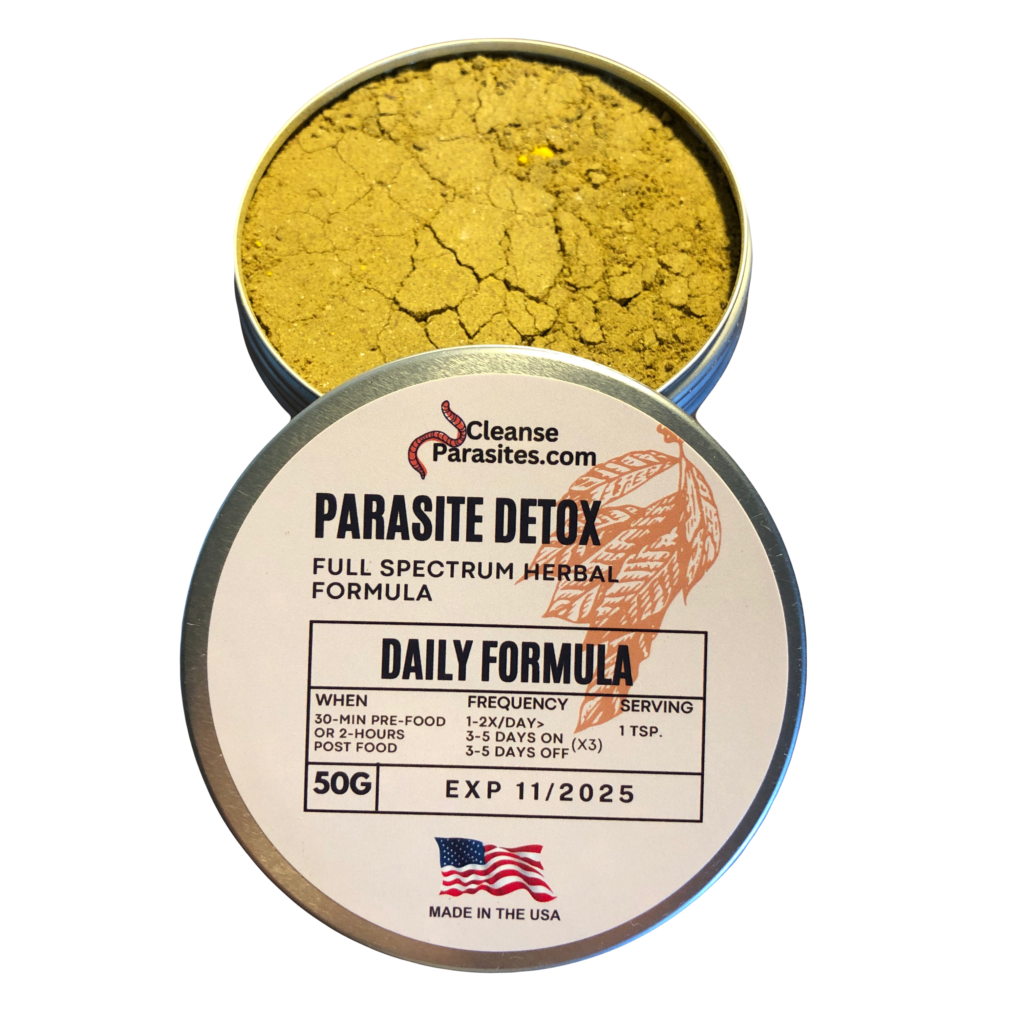
Many people experience persistent digestive discomfort, fatigue, or skin changes and wonder whether an undiagnosed parasitic infection could be the cause. Online health communities often circulate long lists of vague symptoms — from brain fog to teeth grinding — attributed to intestinal parasites, sometimes promoting herbal cleanses as a solution.
In clinical practice, parasitic infections do occur and can cause specific syndromes, but they are far less common in high-resource settings than internet lists suggest. Most symptoms attributed to parasites overlap heavily with functional gut disorders, food intolerances, stress-related dysregulation, and other identifiable conditions. Understanding the differential helps avoid unnecessary self-treatment and directs people toward appropriate testing and care.
Key Takeaways
- Most symptoms attributed to parasites — bloating, fatigue, brain fog, skin issues — are non-specific and overlap with common functional and metabolic conditions.
- Parasitic infections do exist and cause real disease, but in non-endemic areas they require a plausible exposure history (travel, diet, occupation) to be probable.
- Appropriate testing (stool PCR, O&P, serology, CBC with eosinophil count) is widely available and should precede any antimicrobial or herbal regimen.
- Self-treating with broad antiparasitic herbs risks side effects, drug interactions, and delay in diagnosing the actual cause of symptoms.
- A primary care or GI workup for persistent symptoms is more likely to yield a treatable diagnosis than an empiric parasite cleanse.
Gastrointestinal Symptoms: Bloating, Diarrhea, and Abdominal Pain
Bloating, loose stools, cramping, and intermittent abdominal pain are the symptoms most frequently linked to parasites in online forums. While certain protozoa (Giardia, Cryptosporidium, Cyclospora) and helminths can produce these exact complaints, the same symptom cluster defines irritable bowel syndrome (IBS), small intestinal bacterial overgrowth (SIBO), lactose or fructose malabsorption, and inflammatory bowel disease (IBD) [1].
In endemic areas or after high-risk travel, acute watery diarrhea lasting more than 7 days warrants ova-and-parasite (O&P) stool testing or PCR panels. Outside those contexts, Rome IV criteria for functional bowel disorders and breath testing for carbohydrate malabsorption often explain the picture without finding parasites [2].
Fatigue, Brain Fog, and Non-Specific Malaise
Chronic fatigue, difficulty concentrating, and a sense of “feeling off” appear on nearly every parasite symptom checklist. Parasites that cause blood loss (hookworm, Schistosoma) or chronic inflammation can contribute to anemia and fatigue, but these infections are rare in non-endemic regions without travel or exposure history.

Far more common drivers include sleep disorders, thyroid dysfunction, iron or B12 deficiency, depression, post-viral syndromes, and dysregulated cortisol rhythms. A basic metabolic panel, CBC with ferritin, TSH, and vitamin levels typically yields more actionable data than empiric antiparasitic herbs.
Skin Manifestations: Rashes, Itching, and Urticaria
Cutaneous larva migrans (creeping eruption) from hookworm larvae, urticaria from Strongyloides, and perianal itching from pinworm are well-described parasitic dermatoses [3] [4]. However, eczema, contact dermatitis, fungal infections, mast cell activation, and autoimmune skin conditions mimic these presentations.
A targeted history — barefoot exposure in endemic soil, pet contact, nighttime perianal itch — guides whether a Scotch tape test, stool exam, or serology is warranted. Empiric treatment without confirmation risks missing treatable non-parasitic causes.
Weight Changes and Appetite Disturbances
Unexplained weight loss with increased appetite is classically taught with Taenia (tapeworm) infection, while nausea and early satiety can accompany heavy Ascaris burdens. In reality, unintentional weight loss in adults triggers a broad differential: malignancy, hyperthyroidism, celiac disease, IBD, diabetes, and medication effects.
Conversely, weight gain and sugar cravings are sometimes blamed on parasites “stealing nutrients,” but a Cochrane review of deworming in children found little or no average effect on weight gain from community-wide treatment, and only low-quality evidence of weight gain in children known to be infected [5]. Metabolic health, stress eating, and insulin resistance are more evidence-based frameworks.

Musculoskeletal and Neuromuscular Complaints
Trichinellosis (from undercooked pork or wild game) causes periorbital edema, myalgia, and eosinophilia during larval migration. Neurocysticercosis (Taenia solium) can present with seizures. These are specific, diagnosable entities with clear exposure risks.
Generalized joint pain, muscle twitching, and restless legs appear on parasite symptom lists but lack mechanistic plausibility for common intestinal helminths. Vitamin D deficiency, electrolyte imbalance, medication side effects, and primary sleep disorders are more frequent and testable causes.
When Testing Is Appropriate and What It Involves
Stool O&P examination (ideally three specimens on different days), multiplex PCR gastrointestinal panels, and serology for tissue-invasive parasites (Strongyloides, Toxocara, Trichinella) are the standard diagnostic tools [6]. Eosinophilia on CBC supports but does not confirm helminth infection.
Testing is most justified with: travel to endemic areas, consumption of high-risk foods (raw freshwater fish, undercooked pork, untreated water), occupational exposure, immunosuppression, or persistent eosinophilia. Asymptomatic screening in low-risk populations has low yield and is not routinely recommended.

🛒 Where to Buy Parasite Cleanse Protocol
- CleanseParasites Herbal Parasite Cleanse Powder Editor’s Pick
The flagship product for this hub’s own protocol content — wormwood, black walnut hull, cloves, and more. - CleanseParasites Full Detox Bundle (all products) Editor’s Pick
The complete 11-week protocol bundle: parasite cleanse, metals binder, superfood, and more in one order. - Global Healing Paratrex I
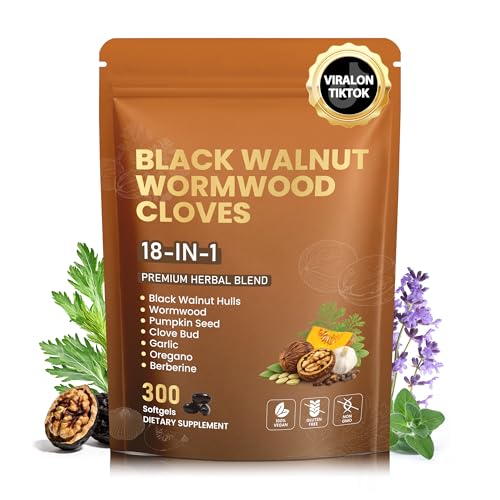
oil-based liquid, 1 ml, 2x daily — Current MicroSomal formula is a pumpkin-seed and pomegranate-seed oil blend with essential oils; it no longer contains wormwood, clove or black walnut - Amazing Herbs Premium Black Walnut-Wormwood Complex
capsules, 2 capsules daily — Budget-friendly combination capsule pairing black walnut hull and wormwood, a common starter product - NOW Foods Wormwood
capsules, 1 capsule, 2x daily — Single-herb wormwood capsule from a widely trusted supplement manufacturer, good for readers wanting to build their own stack - Herb Pharm Black Walnut
liquid, 0.5-1 mL, 3x daily — Alcohol-based liquid extract from a respected small-batch herbal manufacturer, common alternative to capsule form
As an Amazon Associate we earn from qualifying purchases. Quality varies widely — always choose a product with a published third-party test (COA) before buying.
A Note on the Evidence
This article is informational only and not medical advice. Symptom lists cannot diagnose parasitic infections; laboratory confirmation is required. Herbal antiparasitic protocols are not FDA-evaluated for safety or efficacy and may interact with medications or worsen underlying conditions. Pregnant or nursing individuals, children, and anyone with chronic illness or on prescription drugs should consult a licensed healthcare provider before using any antimicrobial or binder supplement.
Frequently Asked Questions
Can parasites cause chronic fatigue without GI symptoms?
Some tissue-invasive parasites (e.g., Strongyloides, Schistosoma) can cause systemic inflammation and fatigue with minimal gut symptoms, but these are rare without travel or exposure history. Fatigue alone is non-specific; basic labs (CBC, ferritin, TSH, metabolic panel) are a higher-yield starting point.
Is teeth grinding (bruxism) a sign of parasites?
No controlled evidence links bruxism to intestinal parasites. Bruxism is associated with sleep arousal, stress, certain medications, and airway issues. A dental or sleep evaluation is more appropriate.
Do parasite cleanses help if tests are negative?
Herbal antiparasitics have antimicrobial effects that may temporarily alter gut microbiota, but no trials support their use for symptom relief in test-negative individuals. They can cause nausea, liver enzyme elevation, and drug interactions. A negative workup should prompt re-evaluation for IBS, SIBO, food intolerances, or systemic causes.
What about passing 'rope worm' or unusual material in stool?
“Rope worm” has not been identified as a parasite in any peer-reviewed literature; it is widely considered mucoid plaque, sloughed intestinal mucosa, or herb/binder artifacts. Passing unusual material warrants a photo and discussion with a clinician, not self-diagnosis.
Can pets transmit parasites to humans?
Yes — Toxocara (roundworm) from dogs/cats can cause visceral or ocular larva migrans; hookworm larvae cause cutaneous larva migrans; Giardia and Cryptosporidium are zoonotic. Good hygiene, deworming pets, and prompt feces disposal reduce risk. Symptomatic household members should be tested, not empirically treated.
When should I see a doctor for possible parasites?
Seek care for: persistent diarrhea >7 days (or >2 days with fever/blood), unexplained weight loss, persistent eosinophilia, travel to endemic areas with GI symptoms, or perianal itching at night (suggests pinworm). Bring travel, diet, and exposure history to the visit.
References
- Hanevik K et al. Development of functional gastrointestinal disorders after Giardia lamblia infection. BMC gastroenterology (2009). PMID 19383162
- Sperber AD et al. Worldwide Prevalence and Burden of Functional Gastrointestinal Disorders, Results of Rome Foundation Global Study. Gastroenterology (2021). PMID 32294476
- Feldmeier H et al. Mini review: Hookworm-related cutaneous larva migrans. European journal of clinical microbiology & infectious diseases (2012). PMID 21922198
- Weisenberg SA et al. Chronic strongyloidiasis with recurrent asthma exacerbations and steroid-associated ‘hives’. BMJ case reports (2018). PMID 29348277
- Taylor-Robinson DC et al. Deworming drugs for soil-transmitted intestinal worms in children: effects on nutritional indicators, haemoglobin, and school performance. The Cochrane database of systematic reviews (2015). PMID 26202783
- Meltzer E et al. Eosinophilia among returning travelers: a practical approach. The American journal of tropical medicine and hygiene (2008). PMID 18458300
These statements have not been evaluated by the Food and Drug Administration. This information is not intended to diagnose, treat, cure, or prevent any disease. Content is for informational purposes only and is not medical advice; consult a qualified healthcare provider before starting any supplement. As an Amazon Associate we earn from qualifying purchases.