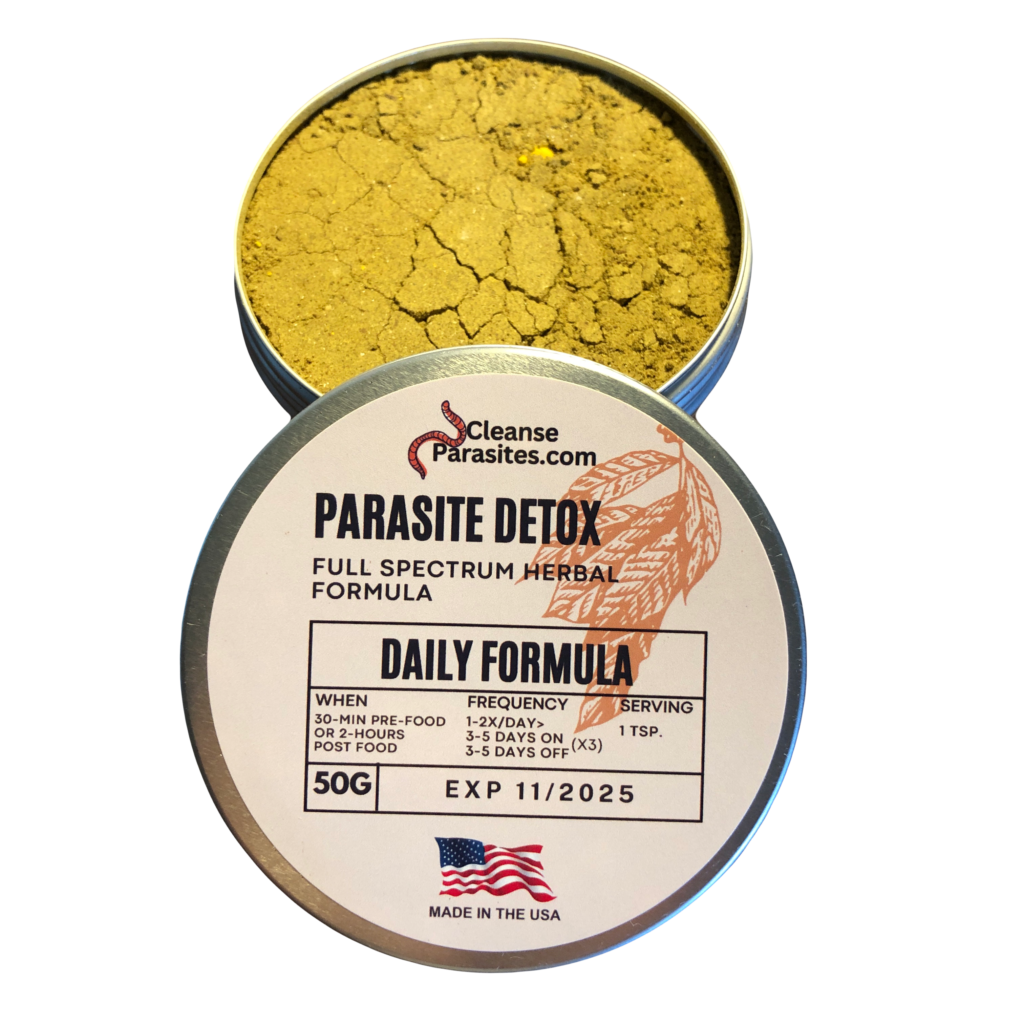
Parasite cleanse protocols often combine herbs like wormwood, black walnut hull, and clove with binders to target intestinal parasites. While their antimicrobial properties are well documented, emerging research suggests some of these botanicals may also influence immune pathways in the gut.
This article summarizes findings from recent reviews and preclinical studies on wormwood (Artemisia absinthium) and broader plant-derived natural products, highlighting mechanisms that may extend beyond parasite killing. All cited data come from peer‑reviewed sources; no health claims are made.
Key Takeaways
- Wormwood possesses a diverse phytochemical profile that includes compounds with documented anti‑inflammatory and immunomodulatory properties [1].
- Preclinical data show that wormwood extract can mitigate immune‑mediated liver injury in mice, suggesting systemic immune modulation [2].
- Clinical evidence for plant‑derived natural products in IBD indicates that some botanicals can favorably influence gut immunity, though data specific to antiparasitic herbs remain limited [3].
- Safety concerns such as thujone toxicity and lack of standardized dosing underscore the need for professional guidance when using these herbs.
Common Antiparasitic Herbs and Potential Immune Interactions
Herbs such as wormwood, black walnut hull, and clove have a long history of use in traditional medicine for parasitic infections. Wormwood, in particular, has been described in historical texts and modern phytochemical analyses as a source of sesquiterpene lactones, flavonoids, and volatile oils that contribute to its biological activity [4].
Although black walnut and clove are also included in many cleanse formulas, the peer‑reviewed literature specifically addressing their immunomodulatory effects is sparse. Consequently, this review centers on wormwood, for which mechanistic and in vivo data are available, and on broader plant‑derived natural products evaluated in inflammatory bowel disease (IBD) [3].
The limited data on black walnut hull and clove mean that any immune‑related claims for those herbs remain speculative. Future research should aim to characterize their phytochemical profiles and test them in relevant immune models to determine whether they share wormwood’s immunomodulatory potential.

Wormwood (Artemisia absinthium) Bioactive Profile and Pharmacological Actions
A comprehensive 2020 review cataloged the major bioactive constituents of wormwood, including thujone, artabsin, and various phenolic compounds, and documented a range of pharmacological actions such as antimicrobial, anti‑inflammatory, antioxidant, and immunomodulatory effects [1].
The same review notes that the pharmacokinetics of these constituents support oral bioavailability, suggesting that oral administration in a cleanse context could deliver systemic as well as gut‑localized exposures relevant to immune modulation [1].
Notably, the review highlights that several sesquiterpene lactones in wormwood can inhibit NF‑κB signaling and reduce pro‑inflammatory cytokine production in cell‑based assays, providing a plausible molecular basis for immune modulation beyond direct antiparasitic activity [1].
Preclinical Evidence of Immune Modulation by Wormwood
In a mouse model, an aqueous extract of Artemisia absinthium demonstrated hepatoprotective activity against both chemically induced (carbon tetrachloride) and immunologically induced (BCG priming followed by endotoxin) liver injury, indicating that the extract can attenuate immune‑mediated tissue damage [2].
The protection against Concanavalin A‑induced injury, which is driven by T‑cell activation and cytokine release, suggests that wormwood components may regulate pro‑inflammatory signaling pathways, although the precise molecular targets remain to be fully elucidated [2].
In a mouse model of immune-triggered liver injury, pretreatment with an aqueous wormwood extract suppressed serum TNF‑α and IL‑1, supporting the hypothesis that wormwood can dampen systemic inflammatory responses triggered by immune activation [2].

Plant‑Derived Natural Products in Inflammatory Bowel Disease: Clinical Context
A 2023 systematic review evaluated clinical evidence for plant‑derived natural products in the management of IBD, a condition characterized by dysregulated mucosal immunity. The review identified several botanical interventions with modest benefits in reducing disease activity and inflammatory markers, though study quality varied [3].
While wormwood was not the primary focus of that review, the findings support the concept that phytochemicals from medicinal herbs can modulate gut immune responses, providing a rationale for further investigation of antiparasitic herbs in immune‑mediated gastrointestinal disorders [3].
The review also emphasized the need for larger, well‑designed randomized controlled trials with standardized extracts to establish efficacy, safety, and optimal dosing for any botanical aimed at modulating intestinal immunity [3].
Safety, Quality, and Practical Considerations
Wormwood contains thujone, a neurotoxic compound at high doses; regulatory agencies limit its concentration in food and supplements. Standardized extracts with known thujone levels are recommended to minimize risk, and long‑term or high‑dose use should be avoided without professional oversight.
Antiparasitic herbs are not a substitute for laboratory‑confirmed diagnosis or prescription antiparasitic therapy. Pregnant or nursing individuals, children, and anyone taking medications should consult a healthcare provider before starting a cleanse regimen.

Quality control remains a concern because herbal supplements are not uniformly regulated for purity or potency. Consumers should seek products that provide third‑party testing certificates and clearly state the concentration of key constituents such as thujone and sesquiterpene lactones.
🛒 Where to Buy Parasite Cleanse Protocol
- CleanseParasites Herbal Parasite Cleanse Powder Editor’s Pick
The flagship product for this hub’s own protocol content — wormwood, black walnut hull, cloves, and more. - CleanseParasites Full Detox Bundle (all products) Editor’s Pick
The complete 11-week protocol bundle: parasite cleanse, metals binder, superfood, and more in one order. - Global Healing Paratrex I
oil-based liquid, 1 ml, 2x daily — Current MicroSomal formula is a pumpkin-seed and pomegranate-seed oil blend with essential oils; it no longer contains wormwood, clove or black walnut - Amazing Herbs Premium Black Walnut-Wormwood Complex
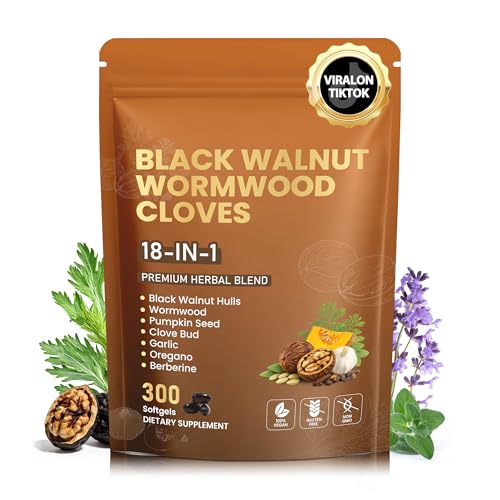
capsules, 2 capsules daily — Budget-friendly combination capsule pairing black walnut hull and wormwood, a common starter product - NOW Foods Wormwood
capsules, 1 capsule, 2x daily — Single-herb wormwood capsule from a widely trusted supplement manufacturer, good for readers wanting to build their own stack - Herb Pharm Black Walnut
liquid, 0.5-1 mL, 3x daily — Alcohol-based liquid extract from a respected small-batch herbal manufacturer, common alternative to capsule form
As an Amazon Associate we earn from qualifying purchases. Quality varies widely — always choose a product with a published third-party test (COA) before buying.
A Note on the Evidence
The cited studies are limited to preclinical models and a small number of clinical trials with heterogeneous designs; they do not constitute proof of benefit for parasite cleanse regimens. These statements have not been evaluated by the FDA and these products are not intended to diagnose, treat, cure, or prevent any disease. Consult a healthcare professional before use, especially if pregnant, nursing, giving to children, or taking medications.
Frequently Asked Questions
Do antiparasitic herbs like wormwood directly boost the immune system?
Wormwood contains compounds that have demonstrated anti‑inflammatory and immunomodulatory effects in preclinical studies, but there is no clinical evidence that they ‘boost’ immunity in humans [1][2].
Can wormwood replace prescription antiparasitic drugs?
No. Wormwood and other cleanse herbs are not approved treatments for parasitic infections and should not replace lab‑confirmed diagnosis or prescribed therapy.
What does the research say about wormwood and liver inflammation?
An aqueous wormwood extract protected mice against both chemical and immune‑mediated liver injury, indicating potential to modulate inflammatory pathways [2].
Are there clinical trials supporting the use of antiparasitic herbs for immune‑related gut conditions?
A 2023 review of plant‑derived natural products in IBD found modest benefits for some botanicals, but specific trials on wormwood, black walnut, or clove for immune modulation are lacking [3].
What safety issues should I be aware of before trying a parasite cleanse?
Wormwood contains thujone, which can be neurotoxic at high doses; standardized low‑thujone extracts are safer. Pregnant or nursing women, children, and people on medications should consult a healthcare provider.
How should I interpret the current evidence on these herbs?
The evidence is primarily preclinical or from heterogeneous clinical studies of mixed botanicals. It suggests possible immune‑modulating mechanisms but does not establish efficacy or safety for parasite cleanse protocols.
References
- Batiha GE et al. Bioactive Compounds, Pharmacological Actions, and Pharmacokinetics of Wormwood (Artemisia absinthium). Antibiotics (Basel, Switzerland) (2020). PMID 32585887
- Amat N et al. In vivo hepatoprotective activity of the aqueous extract of Artemisia absinthium L. against chemically and immunologically induced liver injuries in mice. Journal of ethnopharmacology (2010). PMID 20637853
- Davila MM et al. The Role of Plant-Derived Natural Products in the Management of Inflammatory Bowel Disease-What Is the Clinical Evidence So Far?. Life (Basel, Switzerland) (2023). PMID 37629560
- Szopa A et al. Artemisia absinthium L.-Importance in the History of Medicine, the Latest Advances in Phytochemistry and Therapeutical, Cosmetological and Culinary Uses. Plants (Basel, Switzerland) (2020). PMID 32825178
These statements have not been evaluated by the Food and Drug Administration. This information is not intended to diagnose, treat, cure, or prevent any disease. Content is for informational purposes only and is not medical advice; consult a qualified healthcare provider before starting any supplement. As an Amazon Associate we earn from qualifying purchases.