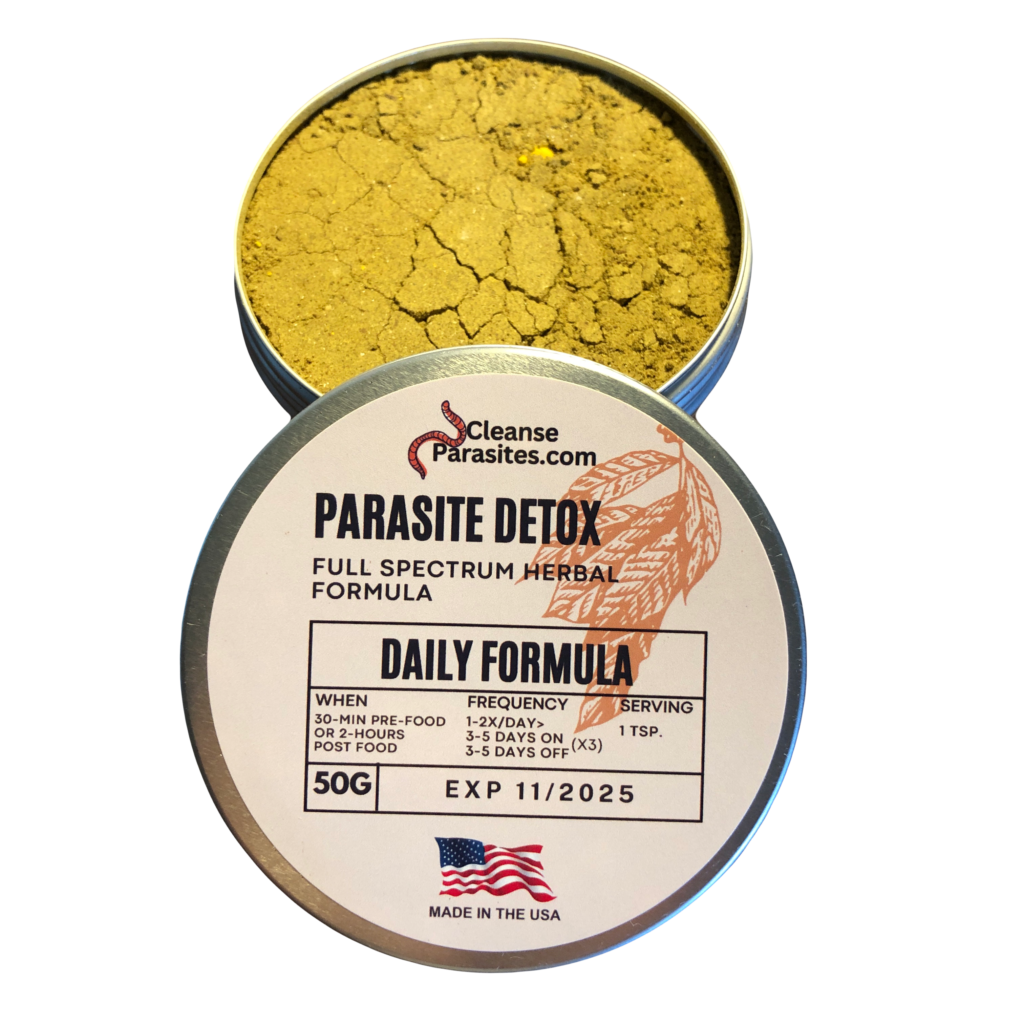
Parasite cleanse protocols often rely on herbal combinations such as wormwood, black walnut hull, and clove, sometimes paired with binders like diatomaceous earth or mimosa pudica seed. These botanicals are sold in multiple delivery forms — liquids, capsules, and alcohol-based tinctures — each with distinct characteristics that may influence how much of the active constituents reach the gut and how consistently users complete the regimen.
This article reviews the theoretical and practical factors that differentiate these formulations, including dissolution kinetics, first-pass metabolism, taste and dosing flexibility, shelf stability, and user adherence. Because head-to-head clinical trials comparing these specific formats for antiparasitic herbs are limited, the discussion emphasizes pharmacokinetic principles, manufacturing considerations, and real-world compliance data from related supplement categories.
Key Takeaways
- Liquids offer rapid dispersion and flexible dosing but face taste and stability challenges.
- Capsules provide taste masking, precise dosing, and portability, supporting higher compliance.
- Tinctures extract a broad constituent profile and have long shelf life, yet alcohol content limits use in certain groups.
- No head-to-head clinical trials compare bioavailability of these formats for antiparasitic herbs; choices rely on pharmacokinetic principles and user preference.
- Standardized extracts with third-party verification are more reliable than raw herb powders regardless of delivery form.
Overview of Common Antiparasitic Herbs and Their Proposed Mechanisms
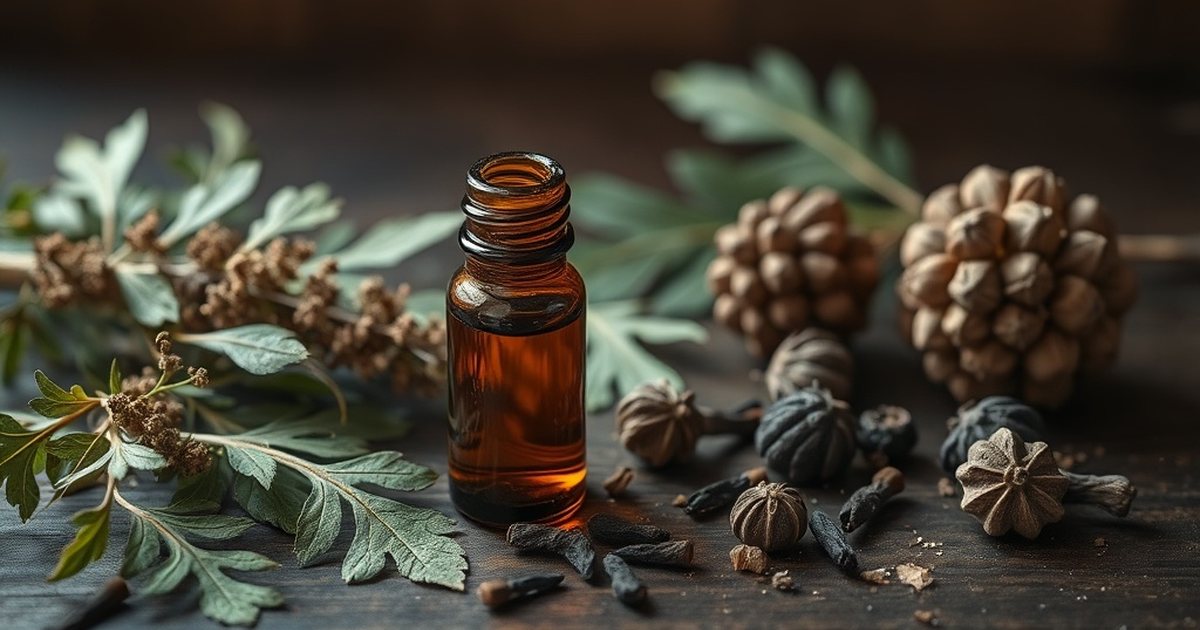
Wormwood (Artemisia absinthium) contains thujone and sesquiterpene lactones[1] that are thought to disrupt parasite membranes and interfere with mitochondrial function. Black walnut hull (Juglans nigra) provides juglone, a naphthoquinone with antimicrobial and antiparasitic activity in vitro[2][3]. Clove (Syzygium aromaticum) supplies eugenol, which may inhibit parasite enzyme systems and egg viability[4]. Binders such as food-grade diatomaceous earth and mimosa pudica seed are added to physically adsorb organisms and toxins, facilitating elimination through stool.
The proposed mechanism of a cleanse protocol is to simultaneously attack adult parasites, larvae, and eggs while minimizing reabsorption of released antigens. This multi-target approach underpins the typical 2–4 week cycling schedules. However, the actual reduction in parasite load depends on the bioavailability of each phytochemical at the site of infection, which is influenced by the delivery matrix.

Liquid Formulations: Rapid Dispersion and Dosing Flexibility
Liquid extracts (often glycerin- or water-based) present the herbal constituents in a pre-dissolved state, bypassing the disintegration step required for solid dosage forms. In theory, this allows faster gastric emptying and earlier absorption in the small intestine, which may be advantageous for compounds with narrow absorption windows. Liquids also enable precise dose titration — users can adjust milliliter volumes to match body weight or tolerance, a feature particularly useful in pediatric or sensitive populations under professional guidance.
Potential drawbacks include taste intensity (wormwood and black walnut are notably bitter), shorter shelf life once opened due to microbial growth risk, and the need for refrigeration or preservatives. Compliance may suffer if the flavor is unpalatable, leading to missed doses or premature discontinuation. Some manufacturers add natural flavorings or sweeteners, which can introduce excipients that sensitive individuals wish to avoid.
Capsule Formulations: Controlled Release and Masking
Encapsulation (either powdered herb or standardized extract in vegetarian or gelatin shells) masks taste and odor completely, which is a major compliance advantage. Capsules also protect light- and oxygen-sensitive constituents from degradation during storage. For herbs with known gastric irritation potential, enteric-coated or delayed-release capsules can target delivery to the lower small intestine or colon, aligning with the site of many intestinal parasites.
The trade-off is a lag time for capsule disintegration and powder dissolution, which can vary with gastric pH, food co-administration, and individual motility. Low-quality capsules may not disintegrate fully, reducing bioavailability. Additionally, capsules fix the dose per unit, limiting flexibility unless multiple strengths are stocked. Fillers and flow agents (e.g., magnesium stearate, silica) are often required for manufacturing, which some users prefer to avoid.
Tincture Formulations: Alcohol Extraction and Enhanced Solubility
Tinctures use ethanol (typically 40–60%) to extract both water-soluble and alcohol-soluble phytochemicals, potentially yielding a broader constituent profile than water or glycerin alone. The alcohol content also acts as a preservative, giving tinctures a multi-year shelf life without refrigeration. Sub-lingual or buccal administration of tinctures can allow partial absorption through oral mucosa, bypassing first-pass hepatic metabolism for certain compounds.

However, the alcohol base may be contraindicated for children, pregnant or nursing individuals, those with liver conditions, or people avoiding alcohol for religious or recovery reasons. The strong taste and burning sensation can reduce adherence. Dosing is typically by dropper (e.g., 30–60 drops), which can be less precise than volumetric liquids or capsules. Some tinctures are formulated with a lower alcohol percentage or offer an evaporation step (adding to hot water) to reduce alcohol content, though this may alter the constituent profile.
Comparative Bioavailability Considerations
Bioavailability of herbal antiparasitics depends on solubility, permeability, stability in GI fluids, and susceptibility to efflux transporters and metabolizing enzymes. Liquids and tinctures generally provide higher initial concentrations in solution, which can enhance passive diffusion across intestinal membranes for lipophilic compounds like thujone and juglone. Capsules rely on disintegration and dissolution, which may be rate-limiting for poorly water-soluble constituents.
Food effects differ: taking capsules with a fat-containing meal may improve absorption of lipophilic actives, while alcohol-based tinctures may irritate an empty stomach. Binders like diatomaceous earth and mimosa pudica seed are insoluble fibers; their efficacy is mechanical rather than absorptive, so formulation type matters less for these components. No published comparative bioavailability studies exist for these specific herb combinations in humans, so extrapolation from single-herb pharmacokinetic data (e.g., artemisinin from Artemisia annua) suggests that lipid-based or nanoemulsion liquids can increase AUC several-fold over raw powder capsules, but such advanced delivery systems are rare in retail parasite cleanses.
Compliance and Practical Factors in Real-World Use
Adherence to a multi-week protocol is often the strongest predictor of outcome. Surveys of supplement users consistently show that taste, convenience, and dosing frequency drive compliance. Capsules score highest on convenience (portable, tasteless, pre-measured) and are associated with better long-term adherence in chronic supplement regimens. Liquids and tinctures require measuring, may need refrigeration, and can be messy for travel.

Dosing frequency also matters: protocols typically call for 2–3 doses daily. A capsule taken with meals fits easily into routine. Liquid doses may be forgotten if not kept visible. Tinctures often recommend holding under the tongue, adding a behavioral step that some users skip. Cost per treatment course varies widely; high-quality standardized extracts in any form are more expensive than raw powder capsules, potentially influencing product choice and duration of use.
Quality, Standardization, and Label Transparency
Regardless of format, the therapeutic potential hinges on the actual content of marker compounds (e.g., thujone in wormwood, juglone in black walnut, eugenol in clove). Standardized extracts guarantee a minimum percentage of these markers, while whole-herb powders vary by harvest, geography, and processing. Liquid extracts and tinctures should declare the herb-to-solvent ratio (e.g., 1:4) and extraction solvent. Capsules should list extract standardization or crude herb equivalent.
Third-party testing for identity, potency, heavy metals, pesticides, and microbial limits is essential. Certificates of analysis (CoAs) from ISO-accredited labs provide verification. Products lacking CoAs or using proprietary blends without disclosed amounts make it impossible to compare bioavailability or replicate dosing across brands. Consumers should prioritize brands that publish batch-specific CoAs and follow cGMP manufacturing.
🛒 Where to Buy Parasite Cleanse Protocol
- CleanseParasites Herbal Parasite Cleanse Powder Editor’s Pick
The flagship product for this hub’s own protocol content — wormwood, black walnut hull, cloves, and more. - CleanseParasites Full Detox Bundle (all products) Editor’s Pick
The complete 11-week protocol bundle: parasite cleanse, metals binder, superfood, and more in one order. - Global Healing Paratrex I
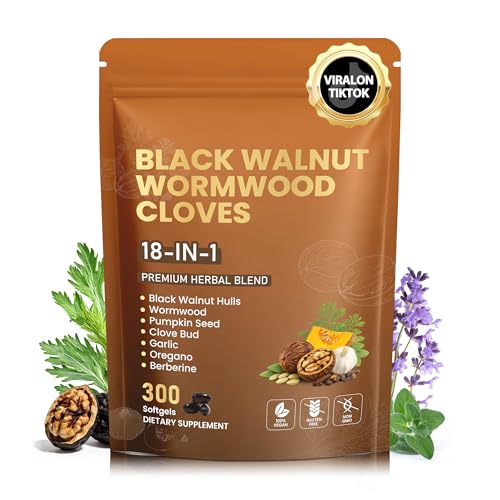
oil-based liquid, 1 ml, 2x daily — Current MicroSomal formula is a pumpkin-seed and pomegranate-seed oil blend with essential oils; it no longer contains wormwood, clove or black walnut - Amazing Herbs Premium Black Walnut-Wormwood Complex
capsules, 2 capsules daily — Budget-friendly combination capsule pairing black walnut hull and wormwood, a common starter product - NOW Foods Wormwood
capsules, 1 capsule, 2x daily — Single-herb wormwood capsule from a widely trusted supplement manufacturer, good for readers wanting to build their own stack - Herb Pharm Black Walnut
liquid, 0.5-1 mL, 3x daily — Alcohol-based liquid extract from a respected small-batch herbal manufacturer, common alternative to capsule form
As an Amazon Associate we earn from qualifying purchases. Quality varies widely — always choose a product with a published third-party test (COA) before buying.
A Note on the Evidence
Parasite cleanse herbs are not a substitute for lab-confirmed diagnosis or medical treatment of a parasitic infection. Pregnant or nursing individuals, children, and anyone on medication should talk to a healthcare provider before starting any antiparasitic regimen. These statements have not been evaluated by the FDA; these products are not intended to diagnose, treat, cure, or prevent any disease.
Frequently Asked Questions
Which formulation absorbs fastest?
Liquids and tinctures are already in solution, so they generally reach systemic circulation faster than capsules, which must disintegrate and dissolve first. However, the clinical significance for gut-targeted antiparasitic action is unclear.
Are capsules less effective because they don't dissolve completely?
High-quality capsules meeting USP disintegration standards dissolve reliably. Enteric-coated versions may target the lower intestine, which could be beneficial for colonic parasites. Poorly manufactured capsules may fail to disintegrate, reducing bioavailability.
Can I evaporate the alcohol from a tincture to make it alcohol-free?
Adding a tincture to hot water and letting it cool can reduce alcohol content, but some volatile constituents may be lost, and the extraction profile changes. This method does not guarantee complete alcohol removal.

Do binders like diatomaceous earth work the same in all formats?
Yes. Diatomaceous earth and mimosa pudica seed are insoluble fibers that act mechanically in the gut. Their efficacy does not depend on absorption, so capsule, powder, or liquid suspension formats are equivalent if the dose is identical.
How do I choose a reputable product?
Look for standardized extracts with declared marker compounds, third-party CoAs for identity and contaminants, cGMP certification, and transparent labeling of herb-to-solvent ratios for liquids/tinctures. Avoid proprietary blends with undisclosed amounts.
Is one format better for children or sensitive individuals?
Alcohol-free glycerin liquids allow precise low dosing and avoid alcohol, but taste may be an issue. Capsules can be opened and mixed with food if swallowing is difficult. Always consult a healthcare provider before giving antiparasitic herbs to children.
References
- Szopa A et al. Artemisia absinthium L. – Importance in the History of Medicine, the Latest Advances in Phytochemistry and Therapeutical, Cosmetological and Culinary Uses. Plants (Basel) (2020). PMID 32825178
- Ellendorff T et al. PLS-Prediction and Confirmation of Hydrojuglone Glucoside as the Antitrypanosomal Constituent of Juglans Spp.. Molecules (2015). PMID 26035104
- Jha BK et al. Juglone induces cell death of Acanthamoeba through increased production of reactive oxygen species. Experimental Parasitology (2015). PMID 26358271
- Oliveira RF et al. Synthesis, cytotoxicity and in vitro and in silico anthelmintic activity of eugenol and derivatives against Haemonchus contortus. Veterinary Parasitology (2026). PMID 41760478
These statements have not been evaluated by the Food and Drug Administration. This information is not intended to diagnose, treat, cure, or prevent any disease. Content is for informational purposes only and is not medical advice; consult a qualified healthcare provider before starting any supplement. As an Amazon Associate we earn from qualifying purchases.