Mimosa pudica seed shows up constantly in parasite cleanse discussions, usually described as a gel-forming binder that traps parasites and debris in the gut so they can be cleared out during a bowel movement. The plant itself, Mimosa pudica L., is a well-documented source of bioactive compounds used across traditional and pharmaceutical contexts, including tannins, flavonoids, and various phenolic constituents [1].
But the specific claim people repeat most, that the seed’s gel physically traps parasites in transit, is more folk mechanism than confirmed pharmacology. This article separates what has actually been studied about Mimosa pudica and parasites from what is simply asserted online, and explains why the strongest available evidence points to antiparasitic activity in animal models rather than a proven ‘trapping’ effect in the human gut.
Key Takeaways
- Mimosa pudica is a well-documented source of bioactive plant compounds, but that alone doesn’t confirm any specific effect on human intestinal parasites [1]
- The strongest direct antiparasitic evidence comes from a poultry study on Ascaridia galli, not a human trial [2]
- The popular ‘gel traps parasites in transit’ mechanism is a plausible hypothesis, not a tested or confirmed finding in the cited evidence
- No gut motility or transit-time studies on Mimosa pudica seed appear in the available evidence
- These products are not FDA-evaluated and are not a substitute for lab-confirmed diagnosis or medical treatment of a parasitic infection
What Mimosa Pudica Actually Is
Mimosa pudica is a flowering plant known for its rapid leaf-folding response to touch, and it has a long history of use in traditional medicine systems. A comprehensive review of its bioactive profile identified numerous compound classes in the plant, including alkaloids, flavonoids, tannins, and fatty acids, along with a range of proposed pharmacological activities studied in preclinical settings [1].
That review is a survey of the plant’s chemistry and its potential across many areas of health, not a clinical trial. It’s useful for understanding why Mimosa pudica seed is included in cleanse formulations in the first place, but it does not by itself establish that the seed clears intestinal parasites in humans or explains the specific ‘binder’ mechanism marketed by supplement brands.
The Gel-Forming Binder Claim: Where It Comes From
The popular narrative is that Mimosa pudica seed swells into a sticky gel when it contacts water in the digestive tract, and that this gel adheres to parasites, biofilm, and debris, carrying them out during elimination. This is a plausible physical mechanism for a fiber-and-mucilage-rich seed, and it’s consistent with how other gel-forming fibers behave in the gut.

However, this specific ‘traps parasites in gel and removes them’ mechanism has not been isolated and tested in the peer-reviewed literature. No published study measures gel formation, transit binding, or physical parasite entrapment for Mimosa pudica seed. The claim is a reasonable hypothesis built from general plant fiber behavior, not a demonstrated finding.
What the Animal Research Actually Tested
The most directly relevant study available is an experimental infection trial in Kabir chicks in Cameroon, which evaluated Mimosa pudica and Carica papaya extracts against Ascaridia galli, a roundworm parasite of poultry. The study measured efficacy against the parasite along with the chicks’ lipid and hematological profiles after treatment [2].
This is a genuine antiparasitic efficacy study, but it comes with real limits on what it tells us. It used extracts, not whole seed preparations as sold in cleanse products; it was conducted in poultry infected with a specific roundworm species, not humans with a mixed intestinal parasite burden; and it evaluated a systemic extract’s effect on the parasite and the animal’s blood chemistry, not a mechanical gut-transit or binding effect.
In other words, this study supports the idea that Mimosa pudica has measurable antiparasitic activity against at least one parasite species in one animal model. It does not confirm the seed’s gel-binding mechanism, and it does not establish efficacy or safety in humans.

Gut Transit: What's Missing From the Evidence
Despite how often ‘gut transit’ and ‘mimosa pudica seed parasites’ are discussed together in cleanse marketing, neither of the two studies cited below includes a gut motility, transit-time, or stool-clearance study in humans or animals. Neither reports any data on how Mimosa pudica seed affects bowel frequency, stool consistency, or the rate at which material moves through the intestine.
This is an important gap. A supplement can have documented antiparasitic activity in one context (as shown in the poultry trial) without any evidence that it changes transit time or physically escorts parasites out through gel formation. Until that specific mechanism is tested, it should be treated as unproven, not disproven, an open question rather than a claim to repeat as fact.
How Mimosa Pudica Fits Into a Broader Parasite Cleanse Protocol
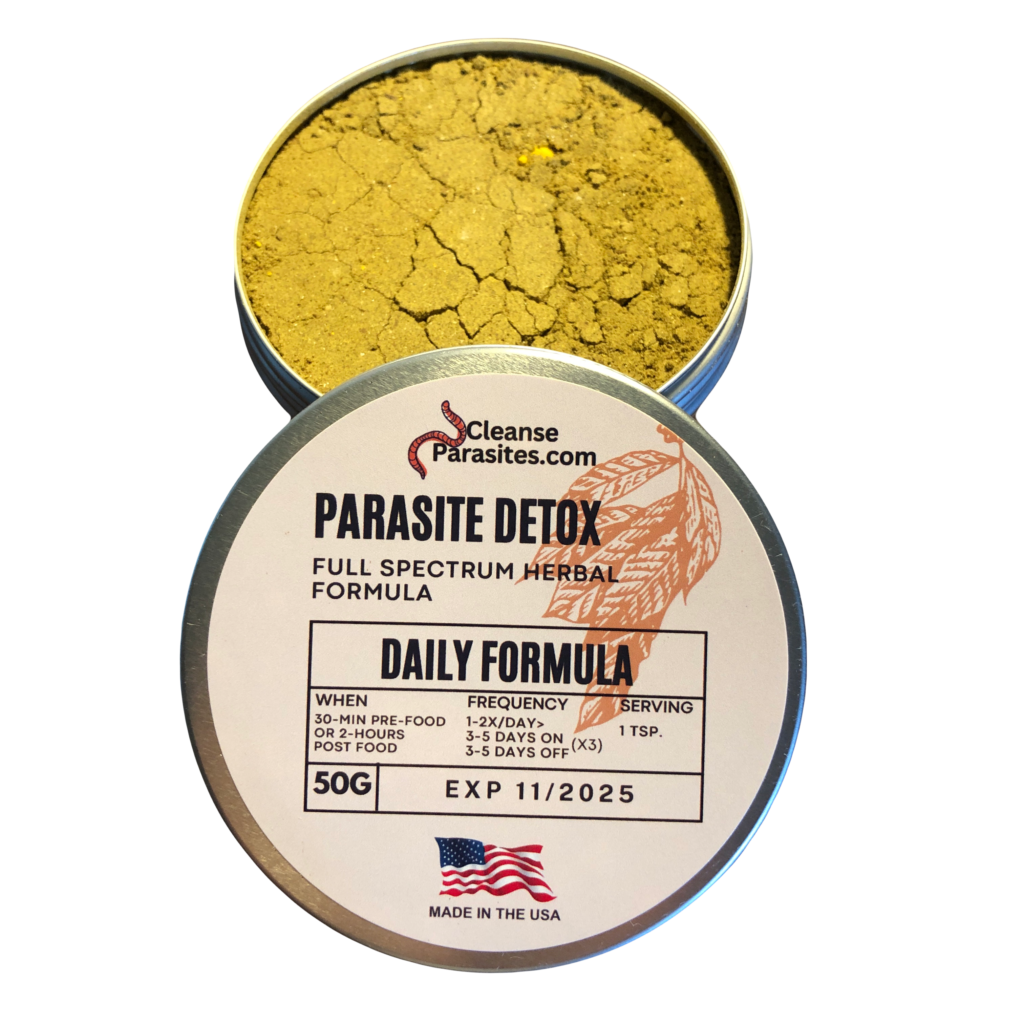
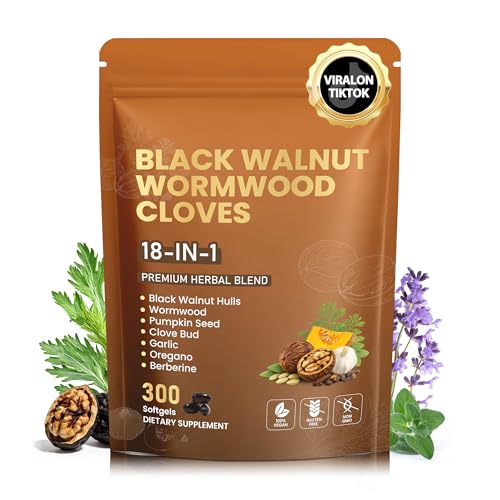
In typical cleanse protocols, Mimosa pudica seed is paired with antiparasitic herbs like wormwood, black walnut hull, and clove, with the seed positioned as a binder rather than the primary antiparasitic agent. The proposed division of labor is that the antimicrobial herbs disrupt the parasites while binders help move material through and out of the gut.
Given the evidence available, the more defensible framing is that Mimosa pudica contributes plant compounds with documented antiparasitic activity in at least one animal model [2], sourced from a plant with a broad and well-characterized bioactive profile [1]. Whether it also performs the mechanical ‘gel trap’ function commonly advertised remains an open question that current evidence doesn’t answer either way.
🛒 Where to Buy Parasite Cleanse Protocol

- CleanseParasites Herbal Parasite Cleanse Powder Editor’s Pick
The flagship product for this hub’s own protocol content — wormwood, black walnut hull, cloves, and more. - CleanseParasites Full Detox Bundle (all products) Editor’s Pick
The complete 11-week protocol bundle: parasite cleanse, metals binder, superfood, and more in one order. - Global Healing Paratrex I
oil-based liquid, 1 ml, 2x daily — Current MicroSomal formula is a pumpkin-seed and pomegranate-seed oil blend with essential oils; it no longer contains wormwood, clove or black walnut - Amazing Herbs Premium Black Walnut-Wormwood Complex
capsules, 2 capsules daily — Budget-friendly combination capsule pairing black walnut hull and wormwood, a common starter product - NOW Foods Wormwood
capsules, 1 capsule, 2x daily — Single-herb wormwood capsule from a widely trusted supplement manufacturer, good for readers wanting to build their own stack - Herb Pharm Black Walnut
liquid, 0.5-1 mL, 3x daily — Alcohol-based liquid extract from a respected small-batch herbal manufacturer, common alternative to capsule form
As an Amazon Associate we earn from qualifying purchases. Quality varies widely — always choose a product with a published third-party test (COA) before buying.
A Note on the Evidence
The evidence here is limited to one broad phytochemical review and one poultry infection study; neither is a human clinical trial, and no gut-transit data exists for Mimosa pudica seed specifically. This is informational, not medical advice, and these statements have not been evaluated by the FDA; talk to a healthcare provider before starting any parasite cleanse, especially if pregnant, nursing, caring for a child, or on medication.
Frequently Asked Questions
Does Mimosa pudica seed kill intestinal parasites in humans?
There’s no human clinical trial in the available evidence testing this. The closest data point is an animal study showing Mimosa pudica extract had efficacy against a roundworm species in infected chicks [2], which doesn’t directly translate to human parasite species or seed-form supplements.
Is the 'gel that traps parasites' claim backed by research?
No. That specific transit-binding mechanism has not been isolated or measured in any published study; it’s a plausible extrapolation from general fiber behavior rather than a demonstrated effect.
What did the chicken study actually measure?
It evaluated Mimosa pudica and Carica papaya extracts against Ascaridia galli in experimentally infected Kabir chicks, looking at parasite efficacy along with lipid and hematological profiles after treatment [2].
Why is Mimosa pudica included in cleanse protocols at all?
It comes from a plant with a well-characterized range of bioactive compounds studied across pharmaceutical contexts [1], and has documented antiparasitic activity in at least one animal infection model [2], which is the basis for its inclusion alongside herbs like wormwood and clove.
Can Mimosa pudica seed replace medical treatment for a parasitic infection?
No. Mimosa pudica seed has never been tested in a human treatment trial for parasitic infection, and parasite cleanse herbs are not a substitute for lab-confirmed diagnosis or medical treatment of a parasitic infection.
Who should be cautious with Mimosa pudica seed or parasite cleanse protocols generally?
Pregnant or nursing individuals, children, and anyone on medication should talk to a healthcare provider before starting one, given the limited human safety data currently available.
References
- Muhammad G et al. Mimosa pudica L., a High-Value Medicinal Plant as a Source of Bioactives for Pharmaceuticals. Comprehensive reviews in food science and food safety (2016). PMID 33371596
- Nghonjuyi NW et al. Mimosa pudica and Carica papaya extracts on Ascaridia galli – Experimentally infected Kabir chicks in Cameroon: Efficacy, lipid and hematological profile. Veterinary parasitology, regional studies and reports (2020). PMID 32057401
These statements have not been evaluated by the Food and Drug Administration. This information is not intended to diagnose, treat, cure, or prevent any disease. Content is for informational purposes only and is not medical advice; consult a qualified healthcare provider before starting any supplement. As an Amazon Associate we earn from qualifying purchases.