Biofilms are structured communities of microorganisms encased in a self-produced extracellular matrix that adheres to surfaces, including the intestinal lining. In the context of parasitic infections, biofilms can protect parasites from immune detection and reduce the efficacy of antimicrobial herbs and medications, making disruption a key consideration in comprehensive cleanse protocols.
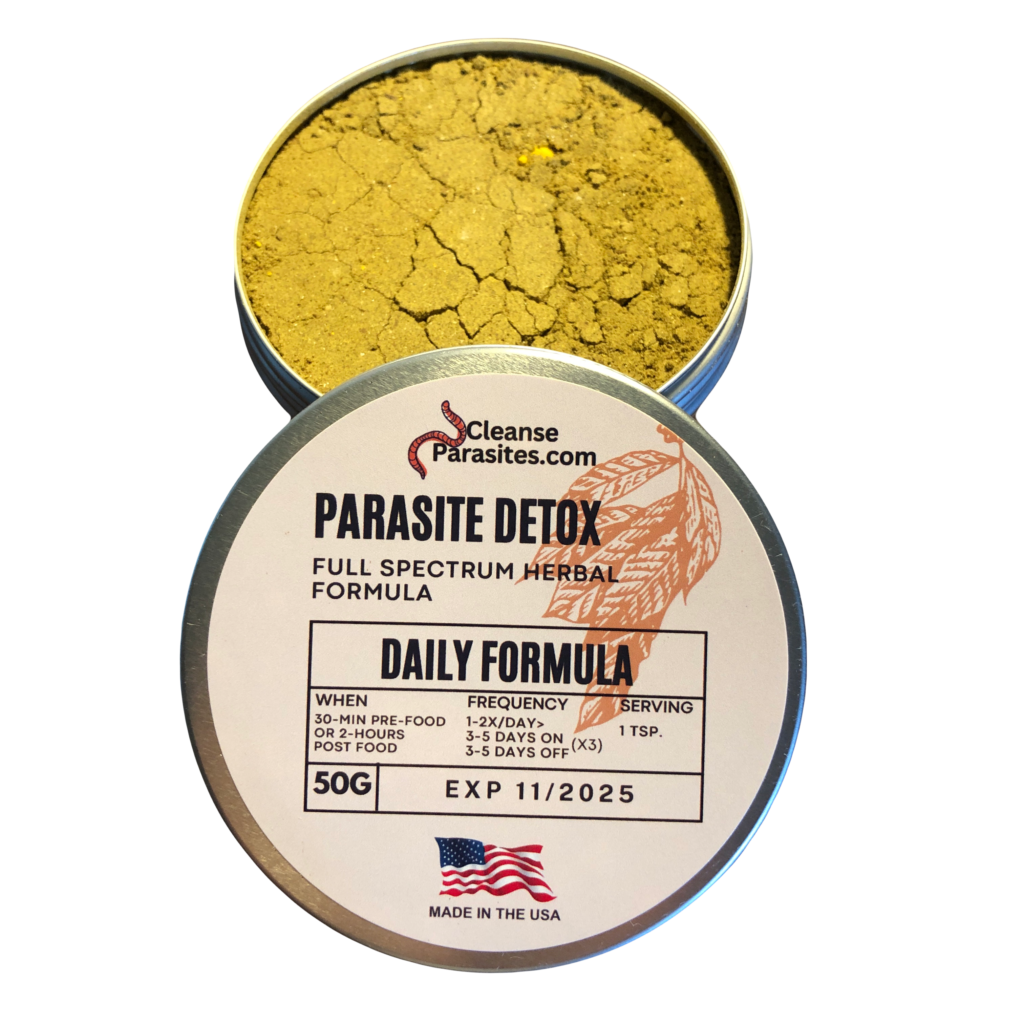
A parasite cleanse protocol typically involves a time-boxed regimen of antiparasitic herbs such as wormwood, black walnut hull, and clove, often paired with binders like diatomaceous earth or mimosa pudica seed. Addressing biofilms may enhance the reach of these agents by breaking down the protective matrix, though clinical research on specific biofilm-disruption strategies in human parasitic infections remains limited.
Key Takeaways
- Biofilms can shield parasites from antimicrobials and immune responses, making disruption a rational component of cleanse protocols.
- Enzymes, herbal antimicrobials, binders, and mineral-rich substances like shilajit each target different aspects of biofilm structure and microbial physiology.
- Most evidence for these strategies comes from in vitro or animal models; human clinical trials specific to parasitic biofilm disruption are lacking.
- A phased, time-boxed approach with professional oversight helps manage complexity and monitor for adverse effects.
- These products are not FDA-evaluated to diagnose, treat, cure, or prevent any disease and should not replace lab-confirmed diagnosis or medical treatment.
Understanding Biofilms in Parasitic Infections
Biofilms consist of microbial cells embedded in a matrix of extracellular polymeric substances (EPS) including polysaccharides, proteins, lipids, and extracellular DNA[1]. This matrix creates a physical barrier that limits penetration of antimicrobial compounds and facilitates nutrient sharing and genetic exchange among microbes. Parasites such as Giardia, Cryptosporidium, and helminths can exist within or alongside bacterial biofilms in the gut[2], potentially complicating eradication efforts.
The presence of biofilms may contribute to persistent or recurrent symptoms despite appropriate antiparasitic therapy[2]. Disrupting the biofilm matrix can expose embedded organisms to herbal antimicrobials and immune factors, theoretically improving clearance rates. However, most evidence for biofilm involvement in human parasitic disease comes from in vitro or animal models, and direct clinical validation is sparse.
Enzymatic Biofilm Disruption
Enzymes that degrade components of the biofilm matrix are a primary strategy for disruption. Proteases (e.g., nattokinase, serrapeptase) target protein scaffolds[3], while glycoside hydrolases (e.g., cellulase, hemicellulase) break down polysaccharide networks. DNase enzymes degrade extracellular DNA, another structural element[4]. These enzymes are often included in cleanse protocols during a preparatory phase before antimicrobial herbs are introduced.

Combination enzyme formulas aim to address multiple matrix components simultaneously. Timing and dosing are important: enzymes are typically taken on an empty stomach to avoid digestion of dietary proteins and to maximize contact with the biofilm. While enzymatic disruption is well-studied in bacterial biofilms (e.g., Pseudomonas, Staphylococcus), data specific to parasitic biofilms in humans are limited to preclinical observations.
Herbal and Antimicrobial Approaches to Biofilm Disruption
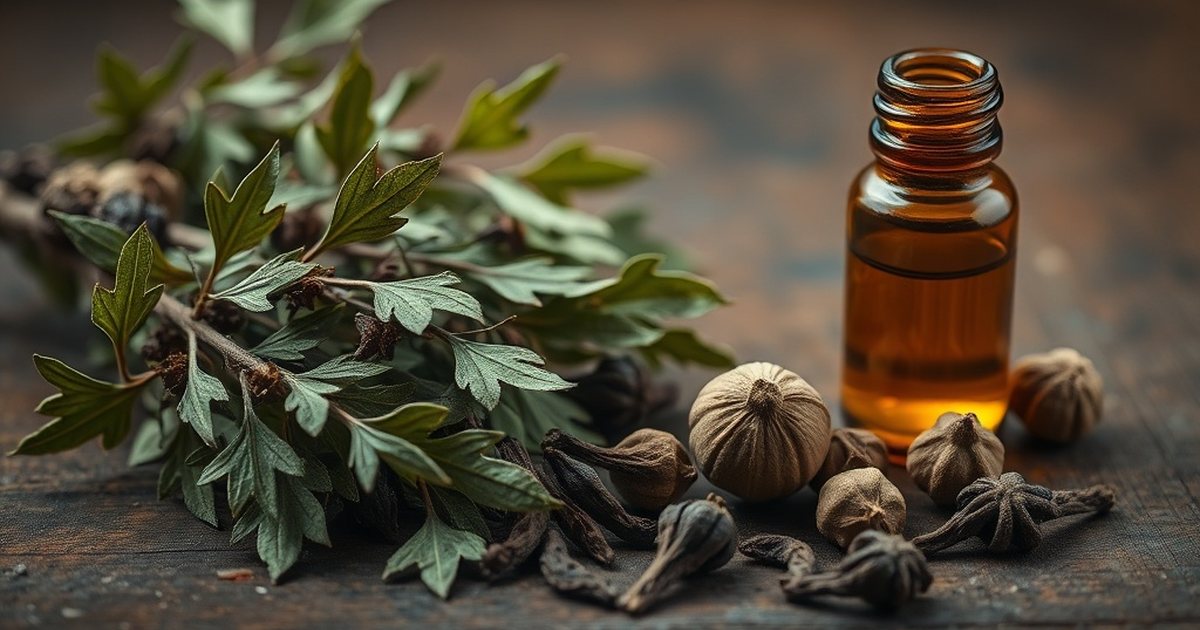
Many antiparasitic herbs also exhibit biofilm-inhibiting or disrupting properties. Wormwood (Artemisia absinthium) contains artemisinin and other sesquiterpene lactones that have demonstrated anti-biofilm activity against various pathogens in laboratory studies. Black walnut hull (Juglans nigra) provides juglone, a naphthoquinone with antimicrobial and potential matrix-degrading effects. Clove (Syzygium aromaticum) supplies eugenol, which can interfere with quorum sensing and biofilm formation[5].
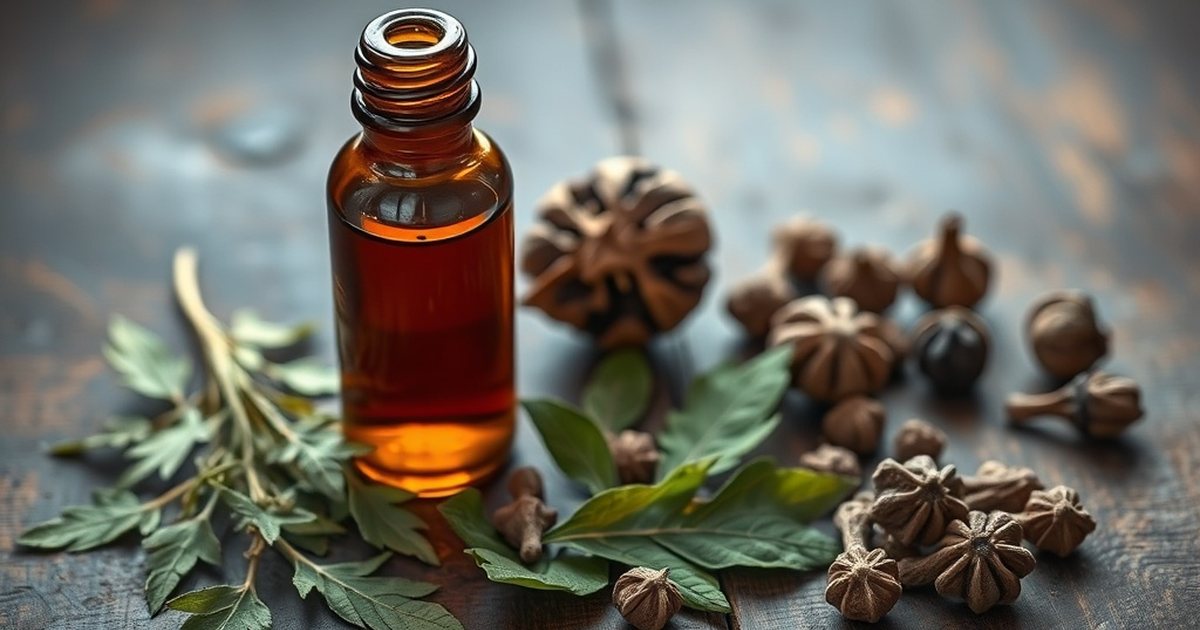
Other botanicals commonly used in cleanse protocols, such as oregano oil (carvacrol), garlic (allicin), and berberine-containing plants (e.g., goldenseal, barberry), have documented anti-biofilm mechanisms including membrane disruption, efflux pump inhibition, and interference with microbial communication. These herbs are often rotated or combined to target different pathways and reduce the risk of resistance. Human clinical trials evaluating these herbs specifically for parasitic biofilm disruption are lacking.
Binders and Physical Disruption Agents
Binders such as food-grade diatomaceous earth, activated charcoal, bentonite clay, and mimosa pudica seed powder are included in protocols to adsorb toxins, microbial debris, and potentially disrupted biofilm fragments. Diatomaceous earth, composed of fossilized diatoms, has abrasive microscopic edges that may physically disturb the biofilm matrix as it passes through the gastrointestinal tract. Mimosa pudica seed forms a sticky gel that can trap organisms and matrix material, aiding elimination.
These agents are typically taken away from meals and supplements to avoid binding nutrients. Adequate hydration is essential to prevent constipation and support the passage of bound material. While binders have a long history of traditional use, controlled studies measuring their impact on parasitic biofilm clearance in humans are not available.

Shilajit's Potential Role in Biofilm Modulation
Shilajit, a mineral-rich exudate from high-altitude rocks, contains fulvic and humic acids, trace minerals, and dibenzo-alpha-pyrones. Fulvic acid has been studied for its ability to chelate metals, modulate microbial growth, and disrupt biofilms in vitro by degrading extracellular polymeric substances and interfering with quorum sensing. The trace mineral content may support enzymatic cofactor availability for host and microbial enzymes involved in matrix turnover.
Dibenzo-alpha-pyrones and related compounds in shilajit have demonstrated mitochondrial energy support and antioxidant effects, which could enhance host immune cell function during a cleanse. However, research on shilajit’s direct impact on parasitic biofilms is extremely limited, consisting mostly of preliminary in vitro work. Clinical evidence in humans is absent, and any role in a parasite cleanse protocol remains theoretical.
Integrating Strategies into a Time-Boxed Protocol
A comprehensive parasite cleanse protocol typically spans 4 to 12 weeks, divided into phases. A preparatory phase (1-2 weeks) may focus on drainage support, binders, and enzymatic biofilm disruption. The active antimicrobial phase (2-6 weeks) introduces antiparasitic herbs, often cycled (e.g., 10 days on, 5 days off) to target different life-cycle stages and reduce adaptation. A maintenance phase follows, tapering herbs while continuing binders and supportive nutrients.
Biofilm disruption agents are usually continued throughout the active phase to maintain matrix breakdown. Practitioners may adjust the sequence based on individual tolerance, symptom patterns, and lab findings. Because these protocols involve multiple supplements with potential interactions, professional guidance is recommended, especially for individuals on medications or with underlying health conditions.

🛒 Where to Buy Parasite Cleanse Protocol
- CleanseParasites Herbal Parasite Cleanse Powder Editor’s Pick
The flagship product for this hub’s own protocol content — wormwood, black walnut hull, cloves, and more. - CleanseParasites Full Detox Bundle (all products) Editor’s Pick
The complete 11-week protocol bundle: parasite cleanse, metals binder, superfood, and more in one order. - Global Healing Paratrex I
oil-based liquid, 1 ml, 2x daily — Current MicroSomal formula is a pumpkin-seed and pomegranate-seed oil blend with essential oils; it no longer contains wormwood, clove or black walnut - Amazing Herbs Premium Black Walnut-Wormwood Complex
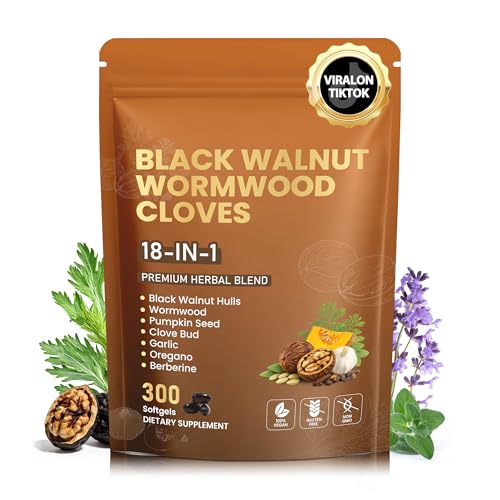
capsules, 2 capsules daily — Budget-friendly combination capsule pairing black walnut hull and wormwood, a common starter product - NOW Foods Wormwood
capsules, 1 capsule, 2x daily — Single-herb wormwood capsule from a widely trusted supplement manufacturer, good for readers wanting to build their own stack - Herb Pharm Black Walnut
liquid, 0.5-1 mL, 3x daily — Alcohol-based liquid extract from a respected small-batch herbal manufacturer, common alternative to capsule form
As an Amazon Associate we earn from qualifying purchases. Quality varies widely — always choose a product with a published third-party test (COA) before buying.
A Note on the Evidence
This information is for educational purposes only and does not constitute medical advice. Parasite cleanse herbs and biofilm disruptors are not FDA-evaluated to diagnose, treat, cure, or prevent any disease. Pregnant or nursing individuals, children, and anyone on medication should consult a healthcare provider before use. Lab-confirmed diagnosis and medical treatment should not be replaced by herbal protocols.
Frequently Asked Questions
What is a biofilm and why does it matter in a parasite cleanse?
A biofilm is a protective matrix produced by microorganisms that can harbor parasites and reduce the effectiveness of antimicrobial herbs. Disrupting it may improve the reach of antiparasitic agents, though human clinical data are limited.
Which enzymes are commonly used for biofilm disruption?
Proteases (nattokinase, serrapeptase), glycoside hydrolases (cellulase, hemicellulase), and DNase are frequently included in cleanse protocols to degrade protein, polysaccharide, and DNA components of the biofilm matrix.
Can shilajit help break down biofilms?
Shilajit contains fulvic acid, which has shown biofilm-disrupting properties in laboratory studies, but there are no human trials confirming this effect in parasitic infections. Its role remains theoretical.
How long should a biofilm-focused parasite cleanse last?
Typical protocols range from 4 to 12 weeks, with distinct preparatory, active, and maintenance phases. Duration should be individualized with professional guidance.
Are there risks to using multiple biofilm disruptors together?
Combining enzymes, herbs, and binders can increase the risk of gastrointestinal upset, nutrient binding, or interactions with medications. Consult a healthcare provider before starting, especially if pregnant, nursing, or on medication.
Should I test for parasites before starting a cleanse?
Yes. A lab-confirmed diagnosis ensures appropriate treatment. Herbal cleanses are not a substitute for medical evaluation and prescribed antiparasitic therapy when indicated.
References
- Donlan RM. Biofilms: microbial life on surfaces. Emerg Infect Dis (2002). PMID 12194761
- Beatty JK et al. Giardia duodenalis induces pathogenic dysbiosis of human intestinal microbiota biofilms. Int J Parasitol (2017). PMID 28237889
- Hosseini SB et al. An up-to-date review of biomedical applications of serratiopeptidase and its biobetter derivatives as a multi-potential metalloprotease. Arch Microbiol (2024). PMID 38502196
- Campoccia D et al. Extracellular DNA (eDNA). A Major Ubiquitous Element of the Bacterial Biofilm Architecture. Int J Mol Sci (2021). PMID 34445806
- Ribeiro TAN et al. Eugenol as a promising antibiofilm and anti-quorum sensing agent: A systematic review. Microb Pathog (2024). PMID 39293727
These statements have not been evaluated by the Food and Drug Administration. This information is not intended to diagnose, treat, cure, or prevent any disease. Content is for informational purposes only and is not medical advice; consult a qualified healthcare provider before starting any supplement. As an Amazon Associate we earn from qualifying purchases.