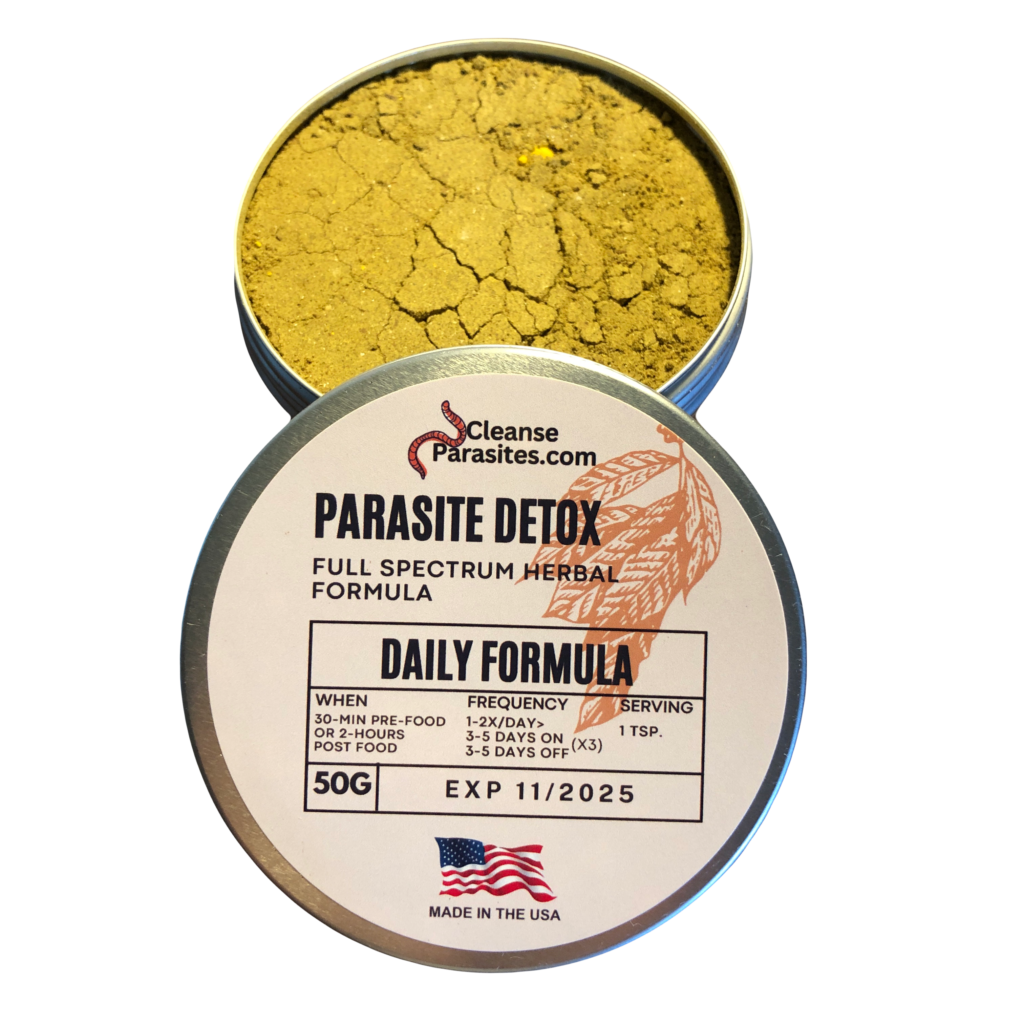
Parasitic infections can affect the central nervous system and neuropsychiatric health through direct invasion, immune activation, and gut-brain axis disruption. While clinical parasitic diseases like neurocysticercosis, toxoplasmic encephalitis, and strongyloidiasis hyperinfection are well-documented causes of neurological and psychiatric symptoms, the evidence for routine herbal “parasite cleanses” improving mental health in the absence of lab-confirmed infection is lacking.
This article reviews peer-reviewed findings on how specific parasitic infections influence neuropsychiatric outcomes via gut-brain pathways, neuroinflammation, and microbial metabolites. It distinguishes between established medical management of confirmed parasitic CNS infections and unproven cleanse protocols, emphasizing the need for diagnostic testing and professional care.
Key Takeaways
- Confirmed parasitic CNS infections (toxoplasmic encephalitis, neurocysticercosis, strongyloides hyperinfection, cryptococcal meningitis) cause serious neuropsychiatric symptoms and require prescription antimicrobial therapy, not herbal cleanses.
- Animal data show a butyrate-producing probiotic (Clostridium butyricum) can mitigate Toxoplasma gondii-induced synaptic pruning and behavioral changes via the gut-brain axis, but this has not been replicated in humans or with herbal protocols [1].
- Akkermansia muciniphila modulates pathways relevant to neuropsychiatric disorders, but its role is complex and context-dependent [2].
- Neuroinflammation resolution involves specialized pro-resolving mediators like protectin D1, representing a distinct therapeutic avenue from parasite eradication [3].
- Herbal parasite cleanses lack clinical trial evidence for mental health benefit, parasite clearance, or gut-brain axis modulation; they are not substitutes for diagnostic testing and medical treatment.
Parasitic Infections and the Gut-Brain Axis: Mechanistic Evidence
The gut-brain axis involves bidirectional communication between the enteric microbiota, the intestinal barrier, the immune system, and the central nervous system via neural, endocrine, and immune pathways. Dysbiosis and intestinal barrier disruption can promote systemic inflammation and neuroinflammation, which are implicated in neuropsychiatric disorders. A 2023 review highlights that Akkermansia muciniphila, a mucin-degrading bacterium, modulates immune and metabolic signaling relevant to neuropsychiatric conditions, though its role is context-dependent and described as “friend or foe” [2].
In a 2026 mechanistic study, Toxoplasma gondii infection in mice induced neuropsychiatric-like behaviors accompanied by excessive glial-mediated synaptic pruning. Oral administration of Clostridium butyricum, a butyrate-producing probiotic, attenuated these changes via the gut-brain axis, suggesting that microbial metabolites such as short-chain fatty acids can modulate neuroimmune responses to a protozoan parasite [1]. This study used a defined probiotic strain, not a multi-herb cleanse, and was conducted in an animal model.

Toxoplasma gondii and Neuropsychiatric Disease
Toxoplasma gondii is an obligate intracellular protozoan that can form cysts in brain tissue. In immunocompromised individuals, particularly those with HIV/AIDS, reactivation causes toxoplasmic encephalitis, a life-threatening condition presenting with focal neurological deficits, seizures, and altered mental status. A Cochrane review on management in resource-poor settings emphasizes the need for prompt antimicrobial therapy (e.g., pyrimethamine-sulfadiazine) and secondary prophylaxis, noting high mortality without treatment [4].
Latent T. gondii infection has been epidemiologically associated with schizophrenia, bipolar disorder, and suicide attempts in observational studies, but causality remains unproven. The 2026 animal study cited above provides a mechanistic link: T. gondii triggers microglial activation and synaptic loss, which a butyrate-producing bacterium can mitigate [1]. No human trials have tested herbal antiparasitic regimens for neuropsychiatric improvement in latent toxoplasmosis.
Helminth Infections, Hyperinfection, and Neurological Complications
Strongyloides stercoralis, an intestinal nematode, can cause hyperinfection syndrome in immunosuppressed hosts, with larvae disseminating to the lungs, liver, and central nervous system. A case report and literature review describe meningitis, brain abscess, and bacteremia from enteric flora translocation due to larval migration, carrying high mortality despite anthelmintic therapy [5]. Neurological symptoms arise from direct larval invasion and secondary bacterial meningitis.

These cases underscore that parasitic CNS involvement is a medical emergency requiring parenteral anthelmintics (e.g., ivermectin) and broad-spectrum antibiotics, not herbal cleanses. Delay in definitive therapy worsens outcomes.

Fungal Meningitis and Immune Reconstitution in Immunocompromised Hosts
Cryptococcal meningitis is a leading cause of fungal CNS infection in HIV/AIDS. A 2006 case series documents symptomatic relapse after initial fluconazole monotherapy, driven by fluconazole resistance and immune reconstitution inflammatory syndrome (IRIS) after antiretroviral therapy initiation [6]. Management requires amphotericin B-based induction, flucytosine, and careful IRIS monitoring.
While not a parasite, this illustrates how CNS infections in immunocompromised patients involve complex host-pathogen-drug interactions. Herbal protocols have no established role in cryptococcal meningitis.
Neuroinflammation Resolution and Specialized Pro-Resolving Mediators
Neuroinflammation is a common pathway in parasitic, bacterial, and autoimmune CNS disorders. Protectin D1 (PD1), a specialized pro-resolving mediator derived from n-3 docosapentaenoic acid, promotes resolution of neuroinflammation and arrests epileptogenesis in experimental models [3]. This highlights endogenous resolution pathways that may be therapeutically targeted, but does not constitute evidence for parasite cleanse supplements.
Bacterial CNS Infections: Lyme Meningitis and Drug-Induced Aseptic Meningitis
Lyme neuroborreliosis can present as meningitis, cranial neuritis, or radiculoneuritis. A 2019 review supports oral doxycycline for pediatric Lyme meningitis as non-inferior to intravenous ceftriaxone in selected cases, emphasizing evidence-based antibiotic selection [7].

Antibiotic-induced aseptic meningitis is a rare adverse drug reaction. A case report in a psoriasis patient describes aseptic meningitis triggered by an antibiotic, resolving on discontinuation [8]. This reminds clinicians that medication effects can mimic infectious meningitis.
Herbal Parasite Cleanses: Evidence Gap and Safety Considerations
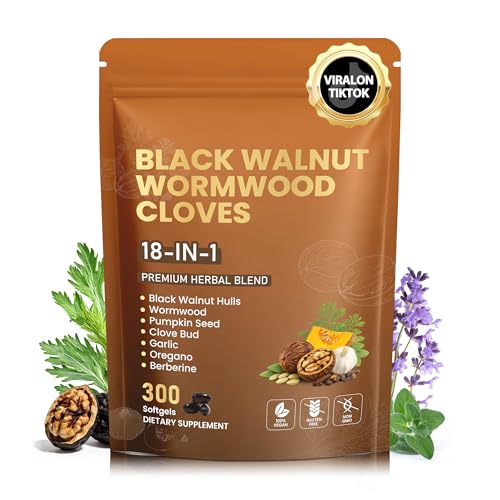
Common “parasite cleanse” protocols combine herbs such as wormwood (Artemisia absinthium), black walnut hull (Juglans nigra), and clove (Syzygium aromaticum), sometimes with binders like diatomaceous earth or Mimosa pudica seed. Proposed mechanisms include membrane disruption, reproductive cycle interference, and physical binding. However, none of the studies cited in this article evaluate these regimens for mental health outcomes, parasite eradication in humans, or gut-brain axis modulation.
The cited evidence addresses prescription antiparasitics (ivermectin, pyrimethamine-sulfadiazine, albendazole), probiotics (Clostridium butyricum), and specialized pro-resolving mediators — not multi-herb cleanse products. No randomized controlled trial has evaluated whether herbal parasite cleanses improve mental health outcomes. Self-treatment without confirmed diagnosis risks missing treatable conditions, drug-herb interactions, and herb toxicity (e.g., thujone in wormwood).
🛒 Where to Buy Parasite Cleanse Protocol
- CleanseParasites Herbal Parasite Cleanse Powder Editor’s Pick
The flagship product for this hub’s own protocol content — wormwood, black walnut hull, cloves, and more. - CleanseParasites Full Detox Bundle (all products) Editor’s Pick
The complete 11-week protocol bundle: parasite cleanse, metals binder, superfood, and more in one order. - Global Healing Paratrex I
oil-based liquid, 1 ml, 2x daily — Current MicroSomal formula is a pumpkin-seed and pomegranate-seed oil blend with essential oils; it no longer contains wormwood, clove or black walnut - Amazing Herbs Premium Black Walnut-Wormwood Complex
capsules, 2 capsules daily — Budget-friendly combination capsule pairing black walnut hull and wormwood, a common starter product - NOW Foods Wormwood
capsules, 1 capsule, 2x daily — Single-herb wormwood capsule from a widely trusted supplement manufacturer, good for readers wanting to build their own stack - Herb Pharm Black Walnut
liquid, 0.5-1 mL, 3x daily — Alcohol-based liquid extract from a respected small-batch herbal manufacturer, common alternative to capsule form
As an Amazon Associate we earn from qualifying purchases. Quality varies widely — always choose a product with a published third-party test (COA) before buying.
A Note on the Evidence
This article summarizes peer-reviewed findings on parasitic CNS infections and gut-brain axis mechanisms; it does not endorse herbal parasite cleanses for mental health. The cited studies involve prescription antimicrobials, defined probiotics, or experimental mediators — not multi-herb cleanse protocols. Pregnant or nursing individuals, children, and anyone on medication should consult a healthcare provider before using antiparasitic herbs. These statements have not been evaluated by the FDA; these products are not intended to diagnose, treat, cure, or prevent any disease.
Frequently Asked Questions
Can a parasite cleanse improve anxiety or brain fog?
No clinical trial has tested whether herbal parasite cleanses improve mental health outcomes. Neuropsychiatric symptoms may stem from many causes; lab-confirmed parasitic infections require prescription treatment, not self-directed cleanses.
Does Toxoplasma gondii cause psychiatric illness?
Latent T. gondii infection is epidemiologically associated with schizophrenia and mood disorders, but causality is not established. In mice, T. gondii induces synaptic pruning and behavioral changes that a butyrate-producing probiotic can attenuate via the gut-brain axis [1]. Human trials of herbal cleanses for this purpose are absent.
What does the evidence say about gut-brain axis mechanisms in parasitic infection?
A 2026 study found Clostridium butyricum ameliorated T. gondii-induced neuropsychiatric changes by reducing glial-mediated synaptic pruning through gut-brain axis signaling [1]. A 2023 review notes Akkermansia muciniphila influences neuropsychiatric pathways but its net effect is context-dependent [2].

Are herbal antiparasitics like wormwood and black walnut proven to eradicate parasites?
No human trial has tested wormwood (Artemisia absinthium), black walnut, clove, diatomaceous earth, or Mimosa pudica for eradication of intestinal parasites. Established treatments for confirmed infections are prescription anthelmintics and antiprotozoals (e.g., ivermectin, pyrimethamine-sulfadiazine) [4][5].
Can neuroinflammation from parasites be resolved naturally?
Specialized pro-resolving mediators like protectin D1 promote neuroinflammation resolution in experimental models [3], but this is distinct from parasite eradication. No study has linked herbal cleanses to resolution of neuroinflammation.
When should I see a doctor for possible parasitic infection?
Seek medical evaluation for persistent gastrointestinal symptoms, travel to endemic areas, immunosuppression, or neurological/psychiatric changes. Diagnosis requires stool O&P, PCR, serology, or imaging as appropriate. Herbal cleanses are not a substitute for diagnostic workup or prescription therapy.
References
- Li Y et al. Clostridium butyricum ameliorates Toxoplasma gondii-induced neuropsychiatric disorders by attenuating glial-mediated synaptic pruning via the gut-brain axis. Journal of neuroinflammation (2026). PMID 41963962
- Lei W et al. Akkermansia muciniphila in neuropsychiatric disorders: friend or foe?. Frontiers in cellular and infection microbiology (2023). PMID 37492530
- Frigerio F et al. n-3 Docosapentaenoic acid-derived protectin D1 promotes resolution of neuroinflammation and arrests epileptogenesis. Brain : a journal of neurology (2018). PMID 30307467
- Dedicoat M et al. Management of toxoplasmic encephalitis in HIV-infected adults (with an emphasis on resource-poor settings). The Cochrane database of systematic reviews (2006). PMID 16856096
- Najmuddin A et al. Strongyloides hyperinfection syndrome complications: a case report and review of the literature. The West Virginia medical journal (2012). PMID 25134190
- Bicanic T et al. Symptomatic relapse of HIV-associated cryptococcal meningitis after initial fluconazole monotherapy: the role of fluconazole resistance and immune reconstitution. Clinical infectious diseases : an official publication of the Infectious Diseases Society of America (2006). PMID 16983622
- Lopez SMC et al. Oral Management for Pediatric Lyme Meningitis. Journal of the Pediatric Infectious Diseases Society (2019). PMID 30169816
- Ko AWK et al. A Case Report of Antibiotic-Induced Aseptic Meningitis in Psoriasis. Hawai'i journal of health & social welfare (2021). PMID 34195619
These statements have not been evaluated by the Food and Drug Administration. This information is not intended to diagnose, treat, cure, or prevent any disease. Content is for informational purposes only and is not medical advice; consult a qualified healthcare provider before starting any supplement. As an Amazon Associate we earn from qualifying purchases.