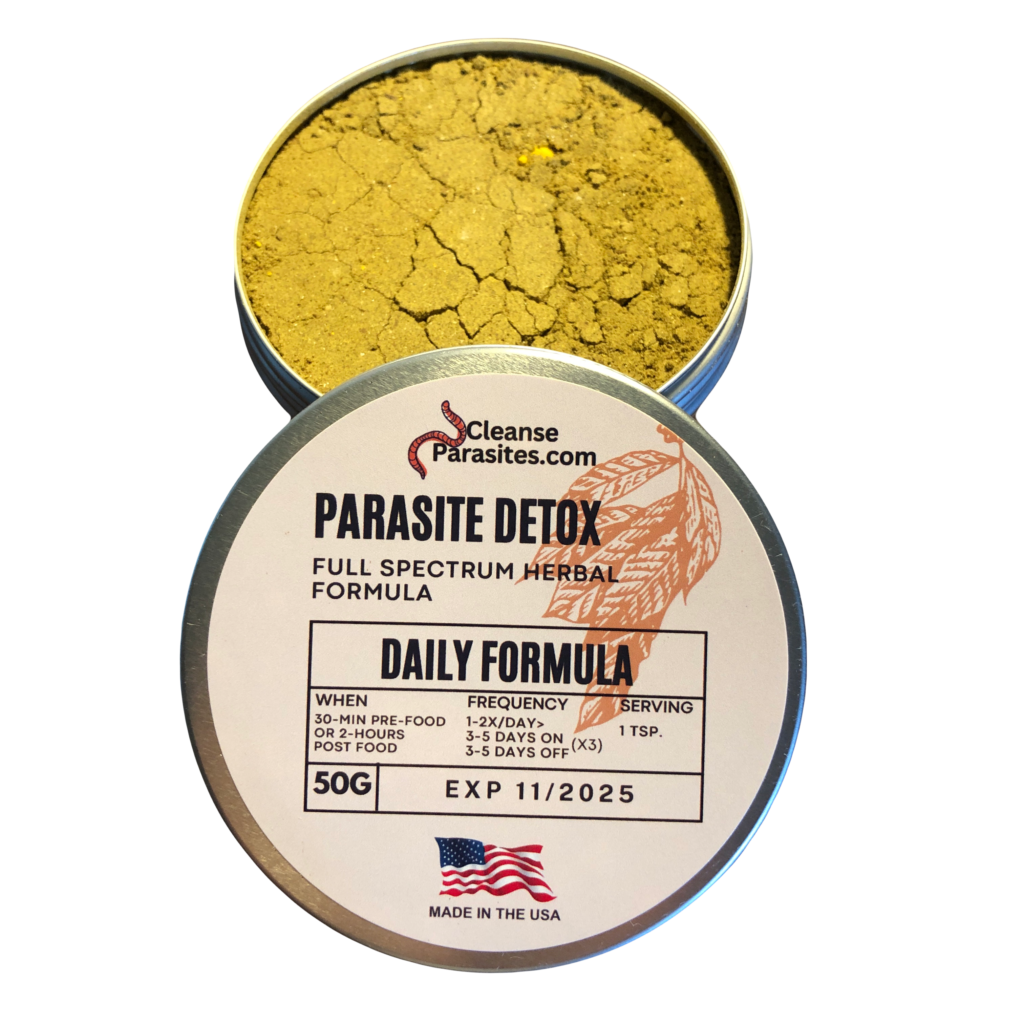
Grapefruit seed extract (GSE) shows up constantly in parasite cleanse product lists, usually next to wormwood and black walnut hull, marketed as a broad-spectrum antimicrobial. The appeal is understandable: it’s derived from a common fruit, sounds gentle, and gets described online as effective against everything from bacteria to fungi to parasites. But the actual published research on GSE is concentrated almost entirely in food science and antibacterial mechanism studies, not in human parasitology.
This article looks at what’s actually been studied: how GSE is thought to work against microbes, where it’s been tested (food preservation, packaging, one bacterial species in combination with other agents), and why that body of evidence doesn’t translate into a validated antiparasitic protocol. None of this is medical advice, and none of these citations are parasite-specific human trials.
Key Takeaways
- GSE’s published research base is concentrated in food preservation, packaging, and one bacterial (H. pylori) combination study, not in human parasitology.
- The proposed antibacterial mechanism involves cell membrane disruption, studied in bacteria, not demonstrated against parasites.
- Commercial GSE products have a documented history of containing synthetic preservatives, which complicates interpreting ‘natural’ antimicrobial claims.
- No study in the available evidence tests GSE against any parasite species, in vitro or in vivo.
- Marketing claims that treat ‘antimicrobial’ and ‘antiparasitic’ as interchangeable are not supported by this evidence base.
What Grapefruit Seed Extract Actually Is
Grapefruit seed extract is a liquid or powdered concentrate made from the seeds, pulp, and membranes of grapefruit, typically processed further into a commercial product. It’s marketed as a natural antimicrobial and sold in health food stores as drops, capsules, or sprays.
A notable complication in interpreting GSE research is that commercial GSE products have historically been found to contain synthetic preservatives (like benzethonium chloride or methylparaben) not naturally present in grapefruit seeds themselves. Researchers developed an HPLC/UV/MS method specifically to detect and quantify 18 such preservatives across commercial GSE products [1]. This matters for interpreting any antimicrobial claim about GSE: some of the antibacterial activity attributed to ‘grapefruit seed extract’ in older or lower-quality studies may be partly driven by added synthetic preservatives rather than compounds naturally occurring in the seed itself.

The Proposed Mechanism Against Microbes
Where GSE has been studied as an antibacterial agent, researchers have looked specifically at its mechanism of action and toxicity profile. One study examining processed GSE as an antibacterial agent found evidence for a mechanism involving disruption of the bacterial cell membrane, alongside an assessment of in vitro toxicity [2]. This membrane-disruption model is consistent with how many plant-derived antimicrobial compounds are thought to work: destabilizing the outer structure of a microbial cell rather than acting on a specific internal target.
It’s worth being precise about what this study does and doesn’t establish. It addresses bacterial cell membranes in a lab setting, and evaluates toxicity, it is not a study of parasites, and it doesn’t establish that the same mechanism translates to protozoa or helminths, which have very different cell structures than bacteria.
Where GSE Has Actually Been Tested: Food Preservation, Not Human Infection
The bulk of published GSE research sits in food science, evaluating it as a natural preservative rather than a therapeutic agent. One study incorporated GSE into chitosan-based microcapsules grafted onto cellulose fibers using a non-toxic process, aimed at antimicrobial textile or packaging applications [3].
Similarly, GSE has been tested as an additive in gelatin-based films used to package pork loins, evaluated alongside green tea extract for its effect on physical film properties and microbial stability during storage [4]. It has also been studied as one of several natural compounds used to extend the microbial shelf-life of homemade fresh pasta made from amaranth [5].

These are legitimate, useful studies, they tell us something about GSE’s antimicrobial behavior on food surfaces and in packaging materials, under controlled storage conditions. But packaging science and food preservation research answer a different question than ‘does GSE reduce parasite load in the human gut.’ The organisms being suppressed in these studies are surface bacteria and spoilage microbes on stored food, not intestinal parasites in a living host.
The One Study Closest to a Living-Organism Model
The most relevant study to a ‘real infection’ context is one that tested GSE, in combination with Lactobacillus plantarum pH3A and monolaurin, against Helicobacter pylori, both in vitro and in vivo [6]. This is a genuine in vivo (living-organism) study, but H. pylori is a bacterium linked to stomach ulcers and gastritis, not a parasite. And critically, GSE was tested only as one part of a three-ingredient combination, this design cannot isolate how much of any observed effect, if any, came from GSE specifically versus the probiotic strain or monolaurin.
This is the closest the current evidence base gets to a ‘does this work in a living system’ question, and it still lands on a different organism (bacteria, not parasites) and a combination product rather than GSE alone.
Why 'Antimicrobial' Research Doesn't Equal 'Antiparasitic' Evidence
Marketing for parasite cleanse products often blurs the line between broad-spectrum antimicrobial activity and antiparasitic activity, treating them as interchangeable. They aren’t. Bacteria, fungi, and parasites are structurally and biologically distinct: a compound that disrupts a bacterial cell membrane [2] or inhibits bacterial growth on a food surface [5] [4] hasn’t been shown to do anything to a protozoan or helminth parasite, which have different membrane structures, life cycles, and, in the case of helminths, are multicellular organisms entirely.

No published study has tested GSE against any parasite species, in vitro or in vivo, in humans or animals. The honest summary is: GSE has documented antibacterial and food-preservation applications, and unresolved questions about product purity and synthetic preservative content [1]. It does not currently have published evidence supporting antiparasitic use in humans.
🛒 Where to Buy Parasite Cleanse Protocol
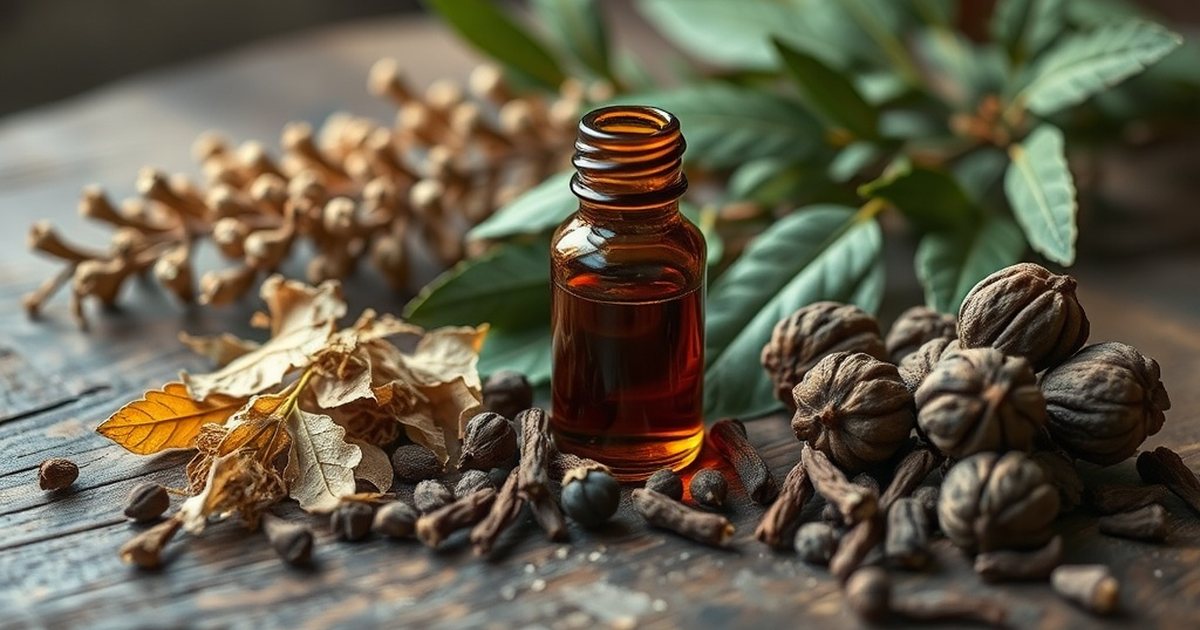
- CleanseParasites Herbal Parasite Cleanse Powder Editor’s Pick
The flagship product for this hub’s own protocol content — wormwood, black walnut hull, cloves, and more. - CleanseParasites Full Detox Bundle (all products) Editor’s Pick
The complete 11-week protocol bundle: parasite cleanse, metals binder, superfood, and more in one order. - Global Healing Paratrex I
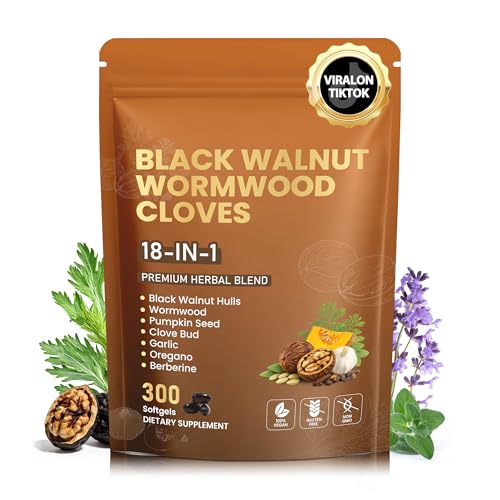
oil-based liquid, 1 ml, 2x daily — Current MicroSomal formula is a pumpkin-seed and pomegranate-seed oil blend with essential oils; it no longer contains wormwood, clove or black walnut - Amazing Herbs Premium Black Walnut-Wormwood Complex
capsules, 2 capsules daily — Budget-friendly combination capsule pairing black walnut hull and wormwood, a common starter product - NOW Foods Wormwood
capsules, 1 capsule, 2x daily — Single-herb wormwood capsule from a widely trusted supplement manufacturer, good for readers wanting to build their own stack - Herb Pharm Black Walnut
liquid, 0.5-1 mL, 3x daily — Alcohol-based liquid extract from a respected small-batch herbal manufacturer, common alternative to capsule form
As an Amazon Associate we earn from qualifying purchases. Quality varies widely — always choose a product with a published third-party test (COA) before buying.
A Note on the Evidence
No published study has tested grapefruit seed extract against parasites in humans or animals; the research cited here is food science, packaging, and one bacterial combination study. This is informational content, not medical advice, and parasite cleanse herbs are not a substitute for lab-confirmed diagnosis or treatment; talk to a healthcare provider before starting any regimen, especially if pregnant, nursing, on medication, or considering it for a child.
Frequently Asked Questions
Does grapefruit seed extract kill parasites?
There is no published research testing GSE against parasites in vitro or in vivo. The available studies test it against bacteria in food and packaging contexts [5] [4] and against H. pylori as part of a combination product [6], not against protozoa or helminths.
What is GSE's mechanism against microbes?
Research on processed GSE as an antibacterial agent points to disruption of the bacterial cell membrane as a proposed mechanism, alongside toxicity testing [2]. This has not been established as a mechanism against parasites specifically.
Is grapefruit seed extract 'natural'?
Commercial GSE products have a documented history of containing synthetic preservatives not naturally present in grapefruit seeds; researchers developed HPLC/UV/MS methods to detect 18 such compounds in commercial products [1]. This means product quality and purity vary and should not be assumed.

Has GSE been tested in a living organism?
One study tested GSE, combined with a probiotic strain and monolaurin, against H. pylori in vitro and in vivo [6]. This is a combination product tested against bacteria, not GSE alone tested against parasites.
Why is GSE used in food packaging research?
Studies have incorporated GSE into antimicrobial packaging materials, including chitosan microcapsules on cellulose fibers [3] and gelatin-based films for meat storage [4], evaluating its ability to inhibit microbial growth during food storage.
Should I use GSE for a suspected parasite infection?
A suspected parasitic infection should be evaluated and confirmed by a healthcare provider through appropriate testing. The current evidence does not support GSE as a treatment for parasites, and self-treating a confirmed infection with unproven supplements in place of medical care carries real risk.
References
- Ganzera M et al. Development and validation of an HPLC/UV/MS method for simultaneous determination of 18 preservatives in grapefruit seed extract. Journal of agricultural and food chemistry (2006). PMID 16719494
- Heggers JP et al. The effectiveness of processed grapefruit-seed extract as an antibacterial agent: II. Mechanism of action and in vitro toxicity. Journal of alternative and complementary medicine (New York, N.Y.) (2002). PMID 12165191
- Alonso D et al. Chitosan-based microcapsules containing grapefruit seed extract grafted onto cellulose fibers by a non-toxic procedure. Carbohydrate research (2010). PMID 20167308
- Hong YH et al. Physical properties of Gelidium corneum-gelatin blend films containing grapefruit seed extract or green tea extract and its application in the packaging of pork loins. Journal of food science (2009). PMID 19200087
- Del Nobile MA et al. Use of natural compounds to improve the microbial stability of Amaranth-based homemade fresh pasta. Food microbiology (2009). PMID 19171256
- Kang S et al. In vitro and in vivo inhibition of Helicobacter pylori by Lactobacillus plantarum pH3A, monolaurin, and grapefruit seed extract. Food & function (2021). PMID 34657941
These statements have not been evaluated by the Food and Drug Administration. This information is not intended to diagnose, treat, cure, or prevent any disease. Content is for informational purposes only and is not medical advice; consult a qualified healthcare provider before starting any supplement. As an Amazon Associate we earn from qualifying purchases.