Herbal cleanse products are often marketed as a way to “reset” digestion, and one of the more interesting questions behind that claim is what these herbs actually do to the trillions of bacteria living in the gut. The honest answer is that most of the direct evidence on herbal cleanse blends specifically comes from animal and preclinical studies rather than large human trials, so any claims about gut microbiome effects need to be read with that caveat in mind.
That said, there is a real and growing body of research on how herbal medicine compounds interact with gut bacteria more broadly, including some findings from studies on other herbal combinations, fish, poultry, and livestock. This article walks through what that research suggests about mechanism, what it does and doesn’t tell us about human parasite cleanse protocols, and what a reasonable person should keep in mind before trying one.
Key Takeaways
- Herbal compounds are documented to regulate, not just kill, gut bacteria, shifting the balance of the microbial community [1]
- Animal and livestock studies show antiparasitic and antimicrobial plant compounds measurably change gut microbiota during parasite or pathogen challenges [2] [3] [4]
- Herb-driven microbiome shifts have downstream effects on immune signaling and organ health in animal models, not just bacterial counts [5] [6]
- There is no direct human trial measuring gut microbiome changes from a standard parasite cleanse protocol specifically
- This is informational content, not a substitute for lab-confirmed parasite diagnosis or medical care
The General Mechanism: How Herbs Can Shift Gut Bacteria
Herbal medicines are increasingly studied for their ability to regulate the composition of gut microbiota, meaning they can shift the relative abundance of different bacterial groups rather than simply killing bacteria indiscriminately [1]. This regulatory framing is different from how people often think of antimicrobial herbs, the idea isn’t that wormwood or clove “sterilizes” the gut, but that plant compounds can favor some bacterial populations over others.
This mechanism has been proposed to work through several pathways: some plant compounds act as prebiotic-like substrates that feed beneficial bacteria, others directly inhibit specific pathogenic or opportunistic organisms, and some influence the gut’s immune signaling in ways that indirectly reshape the bacterial community [1]. For a parasite cleanse specifically, the working theory is that antiparasitic herbs target parasites and some overgrown microbial populations while leaving room for a more balanced community to re-establish, though this specific chain of events has not been directly confirmed in controlled human studies of cleanse protocols.

Evidence From Polysaccharide and Herbal Combination Studies
Some of the clearest data on herb-microbiome interaction comes from polysaccharide research. In one study, a combination of seabuckthorn polysaccharide and astragalus polysaccharide was shown to help ameliorate alcohol-related fatty liver in an animal model by regulating the intestinal flora, suggesting that plant-derived compounds can produce measurable, functional changes in gut bacterial populations with downstream effects on organ health [6].
Similarly, a traditional Chinese herbal formula (YYFZBJS) was found to slow colorectal cancer progression in a mouse model by remodeling the gut microbiota and reducing the generation of regulatory T-cells, an immune cell type that can suppress anti-tumor responses [5]. This is a useful example of the broader principle: herbal compounds don’t just add or remove bacteria, they can change the immune-microbiome relationship in ways that affect disease processes elsewhere in the body. It’s worth being clear that this study used a cancer-specific herbal formula, not a parasite cleanse blend, but it illustrates the kind of mechanism researchers are exploring in the herb-microbiome space generally.
What Antimicrobial Peptide and Herb Combinations Show in Animal Models
A study looking at nisin (an antimicrobial peptide), cecropin, and the herb Penthorum chinense Pursh examined effects on the intestinal microbiome of common carp, and found that these compounds altered the composition of gut bacterial communities in the fish [4]. This kind of aquaculture research is a useful proxy for understanding how antimicrobial and herbal substances interact with an established gut ecosystem, even though carp physiology differs meaningfully from human digestion.

The broader takeaway from this class of study is that antimicrobial compounds, whether peptides or plant-derived, tend to have selective rather than blanket effects on a gut microbiome. That selectivity is the mechanism most often invoked to explain how a parasite cleanse might reduce a parasite burden without wiping out the entire gut ecosystem, though again, this has been demonstrated in fish, not people undergoing a cleanse protocol.
Insights From Antiparasitic Research in Livestock
Because parasite-targeting herbs are hard to study directly in humans for ethical and practical reasons, some of the most relevant animal data comes from veterinary and agricultural research. A study on lambs looked at Houttuynia cordata, an herb also used in some traditional preparations, and its effects against coccidia (a parasitic organism), finding that it influenced gut microbiota composition alongside metabolic changes in the treated animals [3].
In a related vein, research on broiler chickens examined a phytogenic (plant-derived) feed additive alongside the anticoccidial drug sodium monensin, and found effects on gut microbiota and immune response during a coccidia infection [2]. These studies support the idea that plant compounds with antiparasitic activity can measurably shift gut bacterial populations during an active parasite challenge, which is conceptually close to what a parasite cleanse claims to do in humans, but livestock coccidiosis and human intestinal parasite exposure are different conditions, and dosing, herb form, and physiology all differ substantially between species.
Why the Evidence Gap Matters for Human Cleanse Protocols
Reading across this evidence, a consistent pattern emerges: herbal and antimicrobial plant compounds are capable of shifting gut microbiota composition, and this has been shown across several different research contexts including liver disease models, cancer models, fish, and livestock parasite challenges [1] [6] [5] [4] [2] [3]. What’s missing is a direct human study measuring gut microbiome changes before, during, and after a commercial-style parasite cleanse protocol using ingredients like wormwood, black walnut hull, and clove.

That gap means claims about a parasite cleanse “resetting” or “rebalancing” the human gut microbiome are extrapolated from adjacent research rather than confirmed directly. The mechanism is plausible and consistent with the broader literature on herbal medicine and microbiota regulation, but plausible is not the same as proven in this specific context.
🛒 Where to Buy Parasite Cleanse Protocol
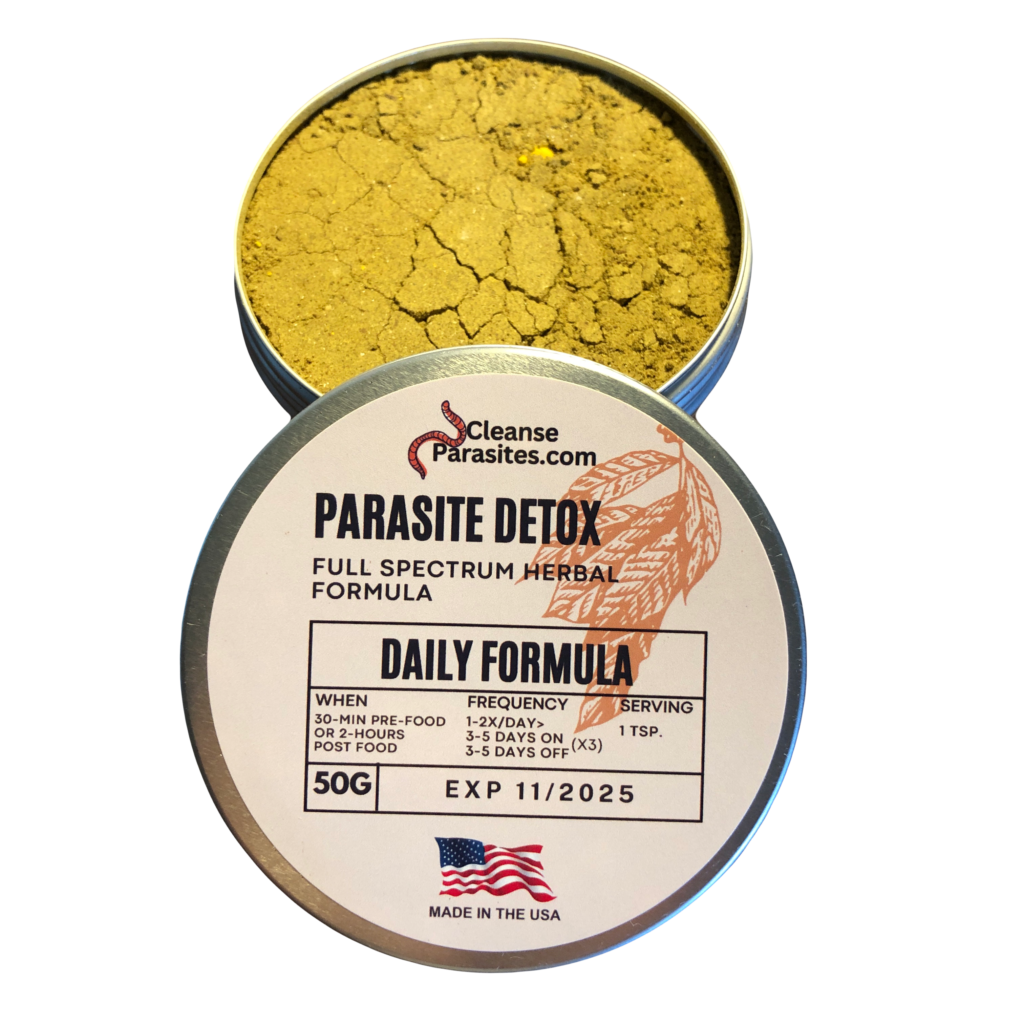
- CleanseParasites Herbal Parasite Cleanse Powder Editor’s Pick
The flagship product for this hub’s own protocol content — wormwood, black walnut hull, cloves, and more. - CleanseParasites Full Detox Bundle (all products) Editor’s Pick
The complete 11-week protocol bundle: parasite cleanse, metals binder, superfood, and more in one order. - Global Healing Paratrex I
oil-based liquid, 1 ml, 2x daily — Current MicroSomal formula is a pumpkin-seed and pomegranate-seed oil blend with essential oils; it no longer contains wormwood, clove or black walnut - Amazing Herbs Premium Black Walnut-Wormwood Complex
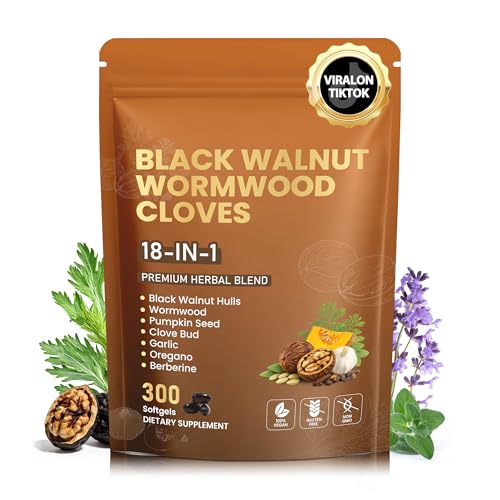
capsules, 2 capsules daily — Budget-friendly combination capsule pairing black walnut hull and wormwood, a common starter product - NOW Foods Wormwood
capsules, 1 capsule, 2x daily — Single-herb wormwood capsule from a widely trusted supplement manufacturer, good for readers wanting to build their own stack - Herb Pharm Black Walnut
liquid, 0.5-1 mL, 3x daily — Alcohol-based liquid extract from a respected small-batch herbal manufacturer, common alternative to capsule form
As an Amazon Associate we earn from qualifying purchases. Quality varies widely — always choose a product with a published third-party test (COA) before buying.
A Note on the Evidence
The research cited here is drawn mostly from animal and preclinical studies rather than human trials on parasite cleanse protocols specifically, so conclusions about human gut microbiome effects are inferred, not directly proven. These statements have not been evaluated by the FDA, these products are not intended to diagnose, treat, cure, or prevent any disease, and pregnant or nursing individuals, children, and anyone on medication or with a suspected parasitic infection should talk to a healthcare provider before starting a cleanse.
Frequently Asked Questions
Does a parasite cleanse definitely change your gut microbiome?
It plausibly does, based on how similar herbal and antimicrobial compounds behave in other studied contexts, but there isn’t direct human research confirming this for standard parasite cleanse protocols specifically. Related studies show herbal compounds regulate microbiota composition in general [1].
What's the proposed mechanism for how these herbs work?
The leading theory is selective antimicrobial and antiparasitic action combined with binding agents, which is thought to reduce specific microbial or parasitic populations while other bacteria recover in the space created. This selective, rather than blanket, effect has been observed with antimicrobial peptides and herbs in fish gut studies [4].
Is there human evidence for any of this?
The strongest direct evidence cited in this article comes from animal models (mice, fish, lambs, chickens), not human trials. Human-specific research on parasite cleanse protocols and microbiome outcomes is limited.

Could a parasite cleanse harm beneficial gut bacteria along with parasites?
That’s a reasonable concern; antimicrobial and antiparasitic compounds are not perfectly selective, and studies on gut microbiota regulation show compositional shifts rather than a return to some fixed baseline [1] [5]. This is one reason time-boxed use and professional guidance matter.
Do these herbs affect the immune system in addition to bacteria?
Yes, animal research suggests herbal compounds can influence immune cell populations like regulatory T-cells alongside microbiota changes, indicating the effects go beyond bacterial counts alone [5].
Should I use a parasite cleanse to treat a diagnosed parasitic infection?
No. These herbs are not a substitute for lab-confirmed diagnosis and medical treatment of a parasitic infection. Anyone with symptoms suggestive of a parasitic infection should see a healthcare provider for proper testing and treatment.
References
- Shinde Y et al. Regulation of Gut Microbiota by Herbal Medicines. Current drug metabolism (2024). PMID 38571357
- Stefanello TB et al. Impact of phytogenic additive and sodium monensin on broiler gut microbiota and immune response to Eimeria infection. Research in veterinary science (2026). PMID 41349213
- Liu S et al. Exploring the anticoccidial efficacy of Houttuynia cordata: Insights into gut microbiota modulation and metabolic enhancement in lambs. Research in veterinary science (2025). PMID 40737972
- Ke F et al. Effects of Nisin, Cecropin, and Penthorum chinense Pursh on the Intestinal Microbiome of Common Carp (Cyprinus carpio). Frontiers in nutrition (2021). PMID 34746205
- Sui H et al. YYFZBJS ameliorates colorectal cancer progression in Apc(Min/+) mice by remodeling gut microbiota and inhibiting regulatory T-cell generation. Cell communication and signaling : CCS (2020). PMID 32677955
- Liu J et al. Seabuckthorn polysaccharide combined with astragalus polysaccharide ameliorate alcoholic fatty liver by regulating intestinal flora. Frontiers in endocrinology (2022). PMID 36246879
These statements have not been evaluated by the Food and Drug Administration. This information is not intended to diagnose, treat, cure, or prevent any disease. Content is for informational purposes only and is not medical advice; consult a qualified healthcare provider before starting any supplement. As an Amazon Associate we earn from qualifying purchases.