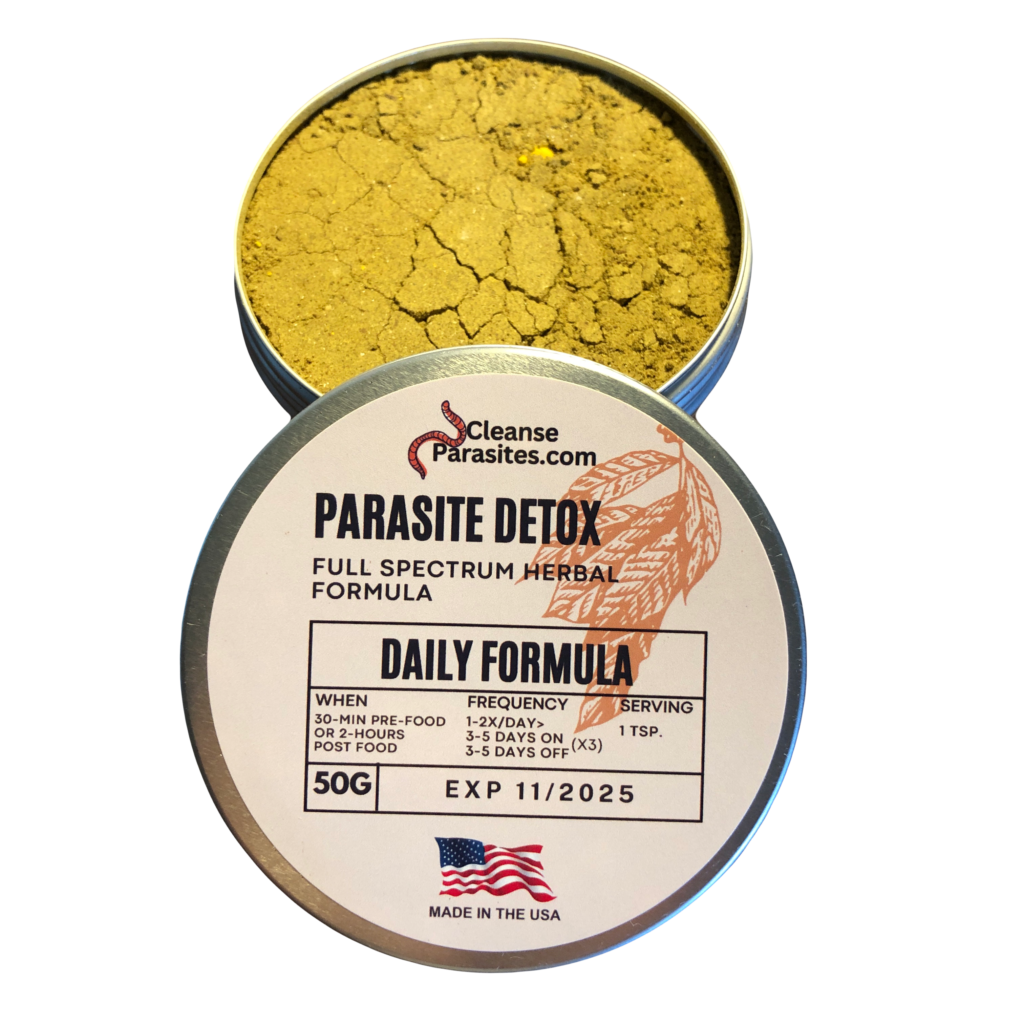
Parasite cleanse protocols are often hard on digestion. Wormwood, black walnut hull, and clove are formulated to disrupt parasites, and that process can come with nausea, bloating, or a gut that just feels sluggish. Ginger gets added to a lot of these protocols as a digestive support herb, but the reasons why are worth separating from marketing language.
This article looks at what’s actually been studied: ginger’s effects on gastric motility and nausea in humans, and separately, a handful of lab and animal studies on ginger compounds against specific parasites. These are two different bodies of evidence, and conflating them overstates what ginger can do for a cleanse. Nothing here is a claim that ginger treats or cures a parasitic infection.
Key Takeaways
- Ginger’s clearest evidence is for gastric motility and nausea relief in humans, which is the practical reason it’s paired with harsher cleanse herbs.
- The chemotherapy-nausea research on ginger’s mechanism doesn’t come from cleanse-specific studies, but the pathways involved are general nausea pathways.
- Direct antiparasitic studies on ginger compounds exist only in vitro, in fish, or in mice, against parasites unrelated to common human intestinal infections.
- No human trial has shown that ginger clears or reduces an intestinal parasitic infection.
- Ginger cleanse herbs are not a substitute for lab-confirmed diagnosis or medical treatment of a parasitic infection.
Why Ginger Is Paired With Antiparasitic Herbs
Herbal protocols for disorders of gut-brain interaction, functional GI conditions like bloating, cramping, and irregular motility, commonly include ginger alongside other botanicals, and a 2025 review of mechanisms behind these herbal treatments included ginger among the agents with reasonable clinical support for gut symptom relief [1]. That’s the practical rationale for including it in a cleanse: the other herbs in the protocol aren’t chosen for gut comfort, so something with a track record for nausea and motility gets added alongside them.
This is a symptom-support rationale, not evidence that ginger changes the outcome of a parasite cleanse. The research on ginger and gut symptoms and the research on ginger and parasites come from different study types entirely, and this article treats them separately below.

Gastric Motility: The Clearest Evidence
The best-supported effect of ginger on digestion is its influence on how quickly the stomach empties. In healthy volunteers, ginger accelerated gastric emptying and increased antral motility compared to placebo [2]. In people with functional dyspepsia, ginger similarly sped up gastric emptying, although in that small trial it did not change symptoms like fullness or discomfort after eating [3].
More broadly, polyphenols, the class of plant compounds that includes several of ginger’s active constituents, have been shown across multiple model systems to modulate gastrointestinal motility, affecting smooth muscle contraction and transit time [4]. This mechanistic backdrop is consistent with the human gastric-emptying findings above, though the polyphenol research spans many different plants and doesn’t isolate ginger specifically.
Nausea Relief: Well-Studied in a Specific Context
Ginger’s anti-nausea effects are among the most studied of any botanical, but almost entirely in the context of chemotherapy-induced nausea and vomiting. A mechanistic review found ginger acts on multiple pathways involved in the nausea/vomiting reflex, including serotonin and dopamine receptor activity in the gut and brainstem [5]. A separate review of ginger extract for nausea and vomiting broadly concluded the evidence supports a real, though moderate, effect [6].
None of these studies were done in people undergoing a parasite cleanse specifically. The mechanism, calming an overactive gut-brain nausea signal, plausibly extends to any source of GI upset, including a cleanse regimen, but that extension hasn’t been directly tested.

Direct Antiparasitic Research: Early and Mostly Preclinical
Separate from digestive comfort, there’s a body of lab and animal research on ginger compounds acting directly against various parasites. 10-gingerol, isolated from ginger, showed antiparasitic activity against Ichthyophthirius multifiliis (a fish parasite) in grass carp, with researchers proposing a membrane-disruption mechanism [7]. Ginger extract-derived nanoparticles showed inhibitory effects against Leishmania major and Leishmania tropica parasites in vitro [8], and against Babesia and Theileria parasites in a separate in vitro evaluation [9].
In a mouse model of Schistosoma mansoni infection, ginger-derived nanoparticles showed hepatoprotective effects and enhanced the effectiveness of standard antiparasitic treatment when used alongside it [10]. Computational and metabolite-profiling work has also flagged antimalarial potential in Zingiber officinale extracts [11].
This is important to read correctly: these are fish, in vitro, and mouse studies involving specific parasite species (Ichthyophthirius, Leishmania, Babesia, Theileria, Schistosoma, malaria parasites), none of which represent the common human intestinal parasites that cleanse protocols target. There is no human clinical trial showing ginger clears an intestinal parasitic infection. The mechanism proposed, membrane disruption, echoes the general mechanism claimed for cleanse herbs like wormwood and clove, but proposed mechanisms in preclinical models don’t establish clinical effectiveness in people.
What This Means for a Cleanse Protocol
The strongest, most directly applicable evidence for ginger in a cleanse context is its effect on gastric motility and nausea, symptoms that antiparasitic and antimicrobial herbs can provoke. That evidence comes from real human studies and is reasonably consistent [2][3][5][6].

The antiparasitic research is a different category: interesting groundwork for future study, but preclinical, species-specific, and not evidence that ginger reduces human intestinal parasite load. Anyone including ginger in a cleanse should think of it as digestive support, not as an active antiparasitic ingredient in its own right.
🛒 Where to Buy Parasite Cleanse Protocol
- CleanseParasites Herbal Parasite Cleanse Powder Editor’s Pick
The flagship product for this hub’s own protocol content — wormwood, black walnut hull, cloves, and more. - CleanseParasites Full Detox Bundle (all products) Editor’s Pick
The complete 11-week protocol bundle: parasite cleanse, metals binder, superfood, and more in one order. - Global Healing Paratrex I
oil-based liquid, 1 ml, 2x daily — Current MicroSomal formula is a pumpkin-seed and pomegranate-seed oil blend with essential oils; it no longer contains wormwood, clove or black walnut - Amazing Herbs Premium Black Walnut-Wormwood Complex
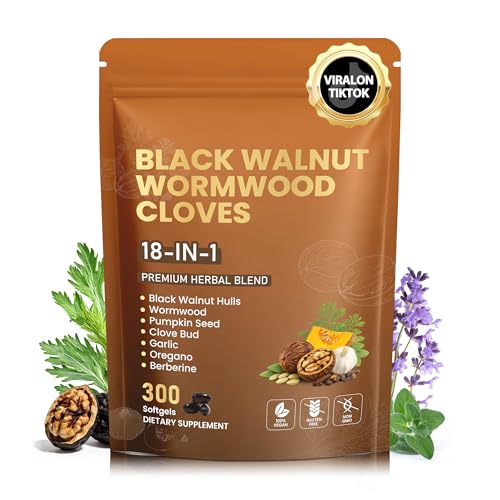
capsules, 2 capsules daily — Budget-friendly combination capsule pairing black walnut hull and wormwood, a common starter product - NOW Foods Wormwood
capsules, 1 capsule, 2x daily — Single-herb wormwood capsule from a widely trusted supplement manufacturer, good for readers wanting to build their own stack - Herb Pharm Black Walnut
liquid, 0.5-1 mL, 3x daily — Alcohol-based liquid extract from a respected small-batch herbal manufacturer, common alternative to capsule form
As an Amazon Associate we earn from qualifying purchases. Quality varies widely — always choose a product with a published third-party test (COA) before buying.
A Note on the Evidence
Most of the antiparasitic evidence here is preclinical (in vitro, fish, or mouse models) and does not establish that ginger affects human intestinal parasites; the digestive-support evidence is stronger but still not cleanse-specific. These statements have not been evaluated by the FDA, this is not medical advice, and pregnant or nursing individuals, children, and anyone on medication should talk to a healthcare provider before starting a cleanse or using ginger therapeutically.
Frequently Asked Questions
Does ginger kill parasites in the human gut?
There’s no human clinical evidence for this. The antiparasitic studies available involve fish parasites, Leishmania and Babesia in vitro, and Schistosoma in mice [7][8][9][10], none of which are common human intestinal parasites addressed by cleanse protocols.
Why is ginger included in parasite cleanse formulas?
Mainly for digestive comfort. Antiparasitic and antimicrobial herbs like wormwood and clove can cause nausea or gut upset, and ginger has documented effects on gastric emptying and nausea that can offset those side effects [2][6].
Is ginger's anti-nausea effect proven for cleanse-related nausea specifically?
Not directly. The strongest anti-nausea data comes from chemotherapy-induced nausea research [5][6]. The underlying gut-brain mechanism is general, but no study has tested ginger against cleanse-herb-induced nausea specifically.

Can ginger speed up digestion during a cleanse?
Human studies show ginger accelerates gastric emptying and increases antral motility, both in healthy people and in those with functional dyspepsia [2][3]. That supports its use for a sluggish, bloated feeling.
Should I rely on ginger instead of testing for a parasitic infection?
No. This information is not medical advice, and none of these products are intended to diagnose, treat, cure, or prevent disease. If a parasitic infection is suspected, lab-confirmed diagnosis and medical treatment are the appropriate path.
Is the antiparasitic research on ginger likely to translate to humans?
Unknown. The mechanisms proposed (membrane disruption, metabolite activity) are plausible starting points [7][11], but preclinical findings in fish, cell cultures, or mice frequently fail to replicate in human trials, and no such human trial exists yet for ginger against intestinal parasites.
References
- Moniruzzaman M et al. Mechanisms of action and clinical effectiveness of herbal treatments for disorders of gut-brain interaction. Digestive and liver disease : official journal of the Italian Society of Gastroenterology and the Italian Association for the Study of the Liver (2025). PMID 40713393
- Wu KL et al. Effects of ginger on gastric emptying and motility in healthy humans. European journal of gastroenterology & hepatology (2008). PMID 18403946
- Hu ML et al. Effect of ginger on gastric motility and symptoms of functional dyspepsia. World journal of gastroenterology (2011). PMID 21218090
- Chomentowski A et al. Polyphenols as Modulators of Gastrointestinal Motility: Mechanistic Insights from Multi-Model Studies. Pharmaceuticals (Basel, Switzerland) (2025). PMID 41155679
- Marx W et al. Ginger-Mechanism of action in chemotherapy-induced nausea and vomiting: A review. Critical reviews in food science and nutrition (2017). PMID 25848702
- Giacosa A et al. Can nausea and vomiting be treated with ginger extract?. European review for medical and pharmacological sciences (2015). PMID 25912592
- Fu YW et al. Efficacy and antiparasitic mechanism of 10-gingerol isolated from ginger Zingiber officinale against Ichthyophthirius multifiliis in grass carp. Veterinary parasitology (2019). PMID 30638524
- Saki J et al. The in vitro anti-Leishmania Effect of Zingiber officinale Extract on Promastigotes and Amastigotes of Leishmania major and Leishmania tropica. Turkiye parazitolojii dergisi (2022). PMID 35604184
- Rizk MA et al. Evaluation of the inhibitory effect of Zingiber officinale rhizome on Babesia and Theileria parasites. Parasitology international (2021). PMID 34352378
- Abd El Wahab WM et al. Ginger (Zingiber Officinale)-derived nanoparticles in Schistosoma mansoni infected mice: Hepatoprotective and enhancer of etiological treatment. PLoS neglected tropical diseases (2021). PMID 34014936
- Faloye KO et al. Antimalarial potential, LC-MS secondary metabolite profiling and computational studies of Zingiber officinale. Journal of biomolecular structure & dynamics (2024). PMID 37116195
- Retracted. Not used as evidence on this page. Abdullah et al. Zingiber officinale rhizome extracts mediated ni nanoparticles and its promising biomedical and environmental applications. BMC complementary medicine and therapies (2023). PMID 37789322
These statements have not been evaluated by the Food and Drug Administration. This information is not intended to diagnose, treat, cure, or prevent any disease. Content is for informational purposes only and is not medical advice; consult a qualified healthcare provider before starting any supplement. As an Amazon Associate we earn from qualifying purchases.