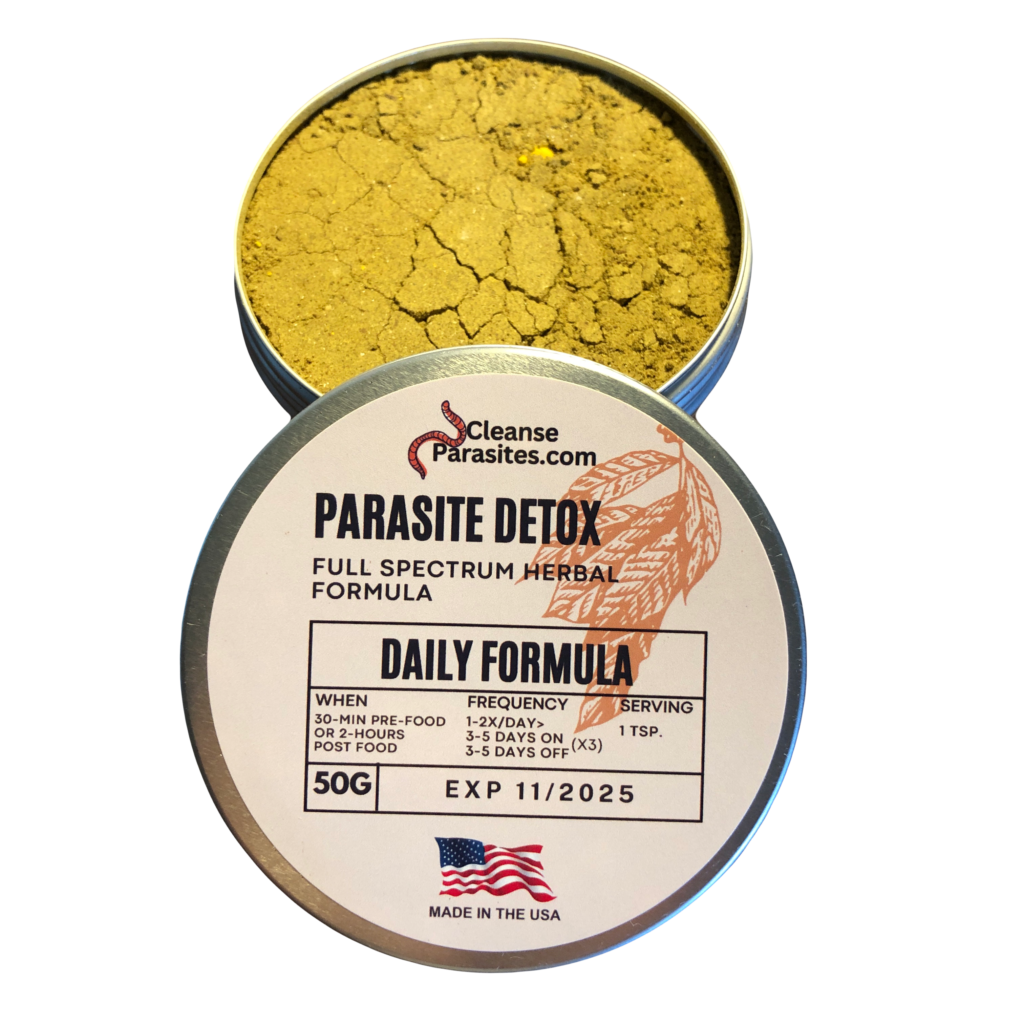
Garlic (Allium sativum) has a long folk history as a general-purpose antimicrobial, and much of that reputation traces back to a single compound: allicin. Allicin is formed when garlic is crushed or chopped, as the enzyme alliinase converts alliin into allicin, a reactive sulfur compound with documented antibacterial, antifungal, and antiparasitic effects in laboratory settings [1].
This article walks through the research on allicin against specific parasites and protozoa, including Giardia, Leishmania, and schistosomes. It is a summary of what has been tested in vitro and in animal models, not a claim that eating garlic or taking a supplement will treat a parasitic infection in a person. Anyone with a suspected or confirmed parasitic infection should get a proper lab diagnosis and talk to a healthcare provider about treatment.
Key Takeaways
- Allicin, the reactive compound formed when garlic is crushed, has documented antiparasitic activity against Giardia, Leishmania, and schistosomes in lab and animal studies.
- A proposed mechanism is allicin’s inhibition of cysteine proteases, enzymes many parasites depend on for feeding and tissue invasion [2].
- In a direct comparison, garlic and allicin showed antischistosomal activity but were less potent than the standard drug praziquantel [3].
- Most of this evidence comes from in vitro assays and animal models, not human clinical trials, so it should not be treated as a substitute for diagnosed treatment.
- Allicin is unstable outside of freshly crushed garlic, which is one reason researchers are now designing allicin-inspired synthetic compounds for more consistent activity [4].
What Allicin Is and How It's Proposed to Work
Allicin is not present in whole garlic cloves as-is; it’s generated on the spot when garlic tissue is damaged, bringing the enzyme alliinase into contact with the precursor alliin. The resulting compound is unstable and chemically reactive, which is part of why its effects show up quickly in lab assays but also why fresh preparations behave differently than aged or heat-treated garlic.
One proposed antiparasitic mechanism involves allicin’s action as a cysteine protease inhibitor. Many parasites rely on cysteine proteases for essential functions like feeding, tissue invasion, and immune evasion, and allicin and related derivatives have been shown to inhibit these enzymes, which correlates with antiparasitic activity in lab models [2]. Broader antimicrobial work also points to allicin reacting with thiol-containing enzymes and proteins in target organisms, a mechanism thought to underlie its effects across bacteria, fungi, and parasites alike [1].

Giardia: The Most-Studied Target
Giardia duodenalis (also called Giardia lamblia) is one of the most frequently studied organisms in garlic-derived antiparasitic research. Thioallyl compounds from garlic, including allicin-related sulfur compounds, have shown activity against Giardia trophozoites in vitro and in experimental giardiasis models, reducing parasite viability and, in animal studies, measures of infection [5].
A related sulfur compound, diallyl trisulfide (sometimes called Dasuansu), has also demonstrated antiparasitic activity against Giardia lamblia along with Trypanosoma and Entamoeba histolytica in vitro, suggesting garlic’s broader family of organosulfur compounds, not just allicin alone, contributes to this effect [6].
In a comparative in vitro study, garlic extract was tested alongside olive leaf and Satureja khuzestanica extracts against Giardia lamblia cysts, with metronidazole (a standard antigiardial drug) used as the comparison. Garlic extract showed activity against the cysts in that lab setting [7]. These are cyst- and trophozoite-level lab findings, not clinical trials in people with active giardiasis.
Schistosomes: Garlic and Allicin vs. a Standard Drug
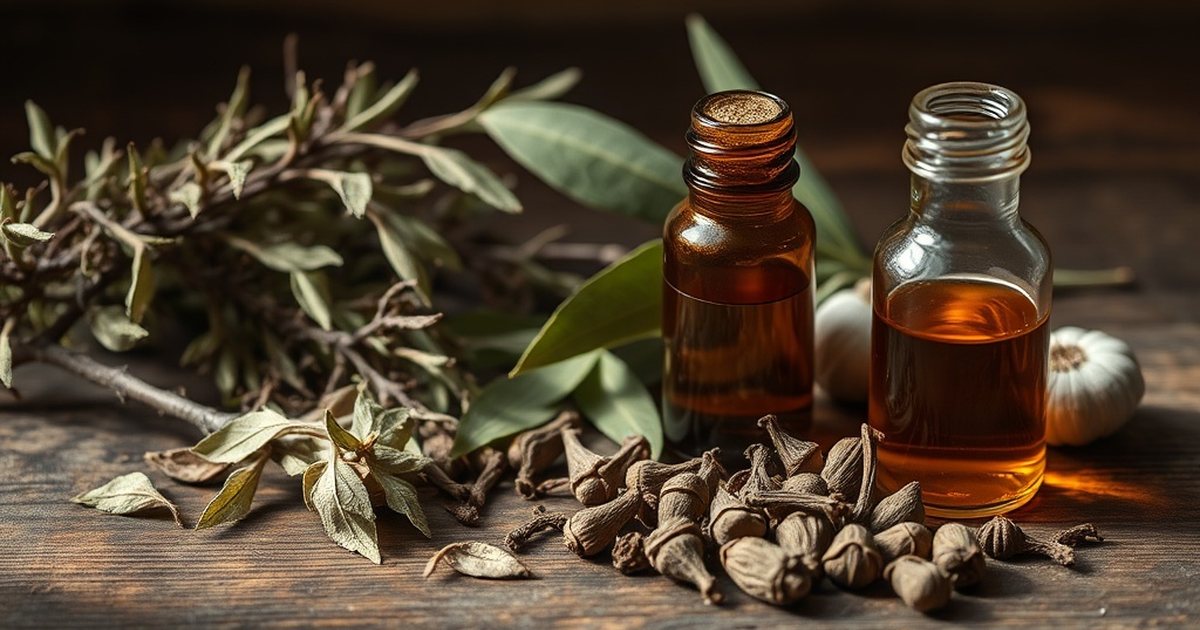
Schistosomiasis is caused by parasitic flatworms of the genus Schistosoma, and the standard treatment is praziquantel. One in vivo study directly compared garlic and allicin to praziquantel for antischistosomal and anti-inflammatory effects. Garlic and allicin showed measurable antischistosomal activity and reduced markers of inflammation, though praziquantel remained the more potent antiparasitic agent in that comparison [3].

This kind of head-to-head study is useful because it puts allicin’s effect size in context: it shows real biological activity, but it does not show allicin outperforming or replacing an established antiparasitic drug.
Leishmania and Protozoan Skin Infections
Leishmania major is a protozoan parasite that causes cutaneous leishmaniasis. In one study, both allicin itself and an allicin-containing cream were tested in vitro and in a mouse model (Balb/c mice) infected with a specific Leishmania major substrain. The compound showed antileishmanial activity in both the lab dish and the live animal model [8].
As with the schistosome research, this is animal-model evidence. It supports allicin as a biologically active antiparasitic compound worth further study, not as a proven topical treatment for leishmaniasis in humans.
Broader Antimicrobial Context: Fungi and Newer Allicin-Based Compounds
Allicin’s antiparasitic activity sits alongside a wider body of antimicrobial research. A quantitative study of allicin’s antifungal activity, both alone and combined with conventional antifungal drugs, found allicin contributed measurable antifungal effects and, in some combinations, worked alongside standard drugs [9].

More recent chemistry work has used allicin as a template to design new heterocyclic disulfide compounds with antimicrobial activity, aiming to build on allicin’s reactive sulfur chemistry while improving stability or potency [4]. This line of research suggests the field is moving toward allicin-inspired synthetic compounds rather than relying on raw garlic extract alone, precisely because natural allicin is unstable and hard to standardize.
🛒 Where to Buy Parasite Cleanse Protocol
- CleanseParasites Herbal Parasite Cleanse Powder Editor’s Pick
The flagship product for this hub’s own protocol content — wormwood, black walnut hull, cloves, and more. - CleanseParasites Full Detox Bundle (all products) Editor’s Pick
The complete 11-week protocol bundle: parasite cleanse, metals binder, superfood, and more in one order. - Global Healing Paratrex I
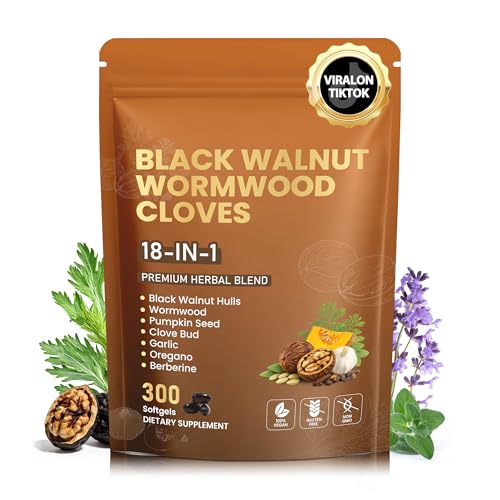
oil-based liquid, 1 ml, 2x daily — Current MicroSomal formula is a pumpkin-seed and pomegranate-seed oil blend with essential oils; it no longer contains wormwood, clove or black walnut - Amazing Herbs Premium Black Walnut-Wormwood Complex
capsules, 2 capsules daily — Budget-friendly combination capsule pairing black walnut hull and wormwood, a common starter product - NOW Foods Wormwood
capsules, 1 capsule, 2x daily — Single-herb wormwood capsule from a widely trusted supplement manufacturer, good for readers wanting to build their own stack - Herb Pharm Black Walnut
liquid, 0.5-1 mL, 3x daily — Alcohol-based liquid extract from a respected small-batch herbal manufacturer, common alternative to capsule form
As an Amazon Associate we earn from qualifying purchases. Quality varies widely — always choose a product with a published third-party test (COA) before buying.
A Note on the Evidence
This evidence comes almost entirely from in vitro assays and animal models, not human clinical trials, and should not be read as proof that garlic or allicin treats a parasitic infection in people. These statements have not been evaluated by the FDA, garlic and allicin are not intended to diagnose, treat, cure, or prevent any disease, and anyone with a suspected parasitic infection, or who is pregnant, nursing, on medication, or considering this for a child, should get a lab-confirmed diagnosis and talk to a healthcare provider before acting on this information.
Frequently Asked Questions
Does eating garlic kill parasites in the body?
The research cited here is from lab and animal studies of isolated allicin or garlic extract, not from trials of people eating garlic. It shows allicin has antiparasitic activity against organisms like Giardia and Leishmania in controlled settings [5], but that doesn’t establish an effective dose or outcome from dietary garlic in humans.
Is allicin the only active compound in garlic?
No. Other organosulfur compounds, including diallyl trisulfide, have also shown antiparasitic activity against Giardia, Trypanosoma, and Entamoeba histolytica in vitro [6], suggesting garlic’s effects come from a family of related sulfur compounds, not allicin in isolation.
How does allicin compare to actual antiparasitic drugs?
In the one direct comparison cited in this article, garlic and allicin showed real antischistosomal effects but were less potent than praziquantel, the standard drug for schistosomiasis [3]. Garlic-based approaches have not been shown to replace established antiparasitic medications.

What is the proposed mechanism behind allicin's antiparasitic effect?
One studied mechanism is inhibition of cysteine proteases, enzymes that many parasites use for feeding, invasion, and evading the host immune system [2]. Allicin’s broader reactivity with thiol groups in microbial proteins is also thought to contribute to its antimicrobial effects generally [1].
Has allicin been tested against skin parasites like Leishmania?
Yes. One study tested allicin and an allicin cream both in vitro and in mice infected with Leishmania major, finding antileishmanial activity in both settings [8]. This is animal-model evidence, not a human clinical trial of a topical treatment.
Is allicin stable enough to rely on as a supplement?
Allicin is chemically reactive and unstable once formed, which is part of why researchers have started designing allicin-inspired synthetic disulfide compounds aimed at more consistent antimicrobial activity [4]. This instability is a real limitation for standardizing garlic-based antiparasitic products.
References
- Ankri S et al. Antimicrobial properties of allicin from garlic. Microbes and infection (1999). PMID 10594976
- Waag T et al. Allicin and derivates are cysteine protease inhibitors with antiparasitic activity. Bioorganic & medicinal chemistry letters (2010). PMID 20692829
- Metwally DM et al. Antischistosomal and anti-inflammatory activity of garlic and allicin compared with that of praziquantel in vivo. BMC complementary and alternative medicine (2018). PMID 29703259
- Wang JR et al. Allicin-Inspired Heterocyclic Disulfides as Novel Antimicrobial Agents. Journal of agricultural and food chemistry (2022). PMID 36067412
- Argüello-García R et al. Activity of Thioallyl Compounds From Garlic Against Giardia duodenalis Trophozoites and in Experimental Giardiasis. Frontiers in cellular and infection microbiology (2018). PMID 30374433
- Lun ZR et al. Antiparasitic activity of diallyl trisulfide (Dasuansu) on human and animal pathogenic protozoa (Trypanosoma sp., Entamoeba histolytica and Giardia lamblia) in vitro. Annales de la Societe belge de medecine tropicale (1994). PMID 8024350
- Fallahi S et al. Effect of olive leaf, Satureja khuzestanica, and Allium sativum extracts on Giardia lamblia cysts compared with metronidazole in vitro. Journal of parasitic diseases : official organ of the Indian Society for Parasitology (2016). PMID 27876915
- Metwally DM et al. Anti-Leishmanial Activity (In Vitro and In Vivo) of Allicin and Allicin Cream Using Leishmania major (Sub-strain Zymowme LON4) and Balb/c Mice. PloS one (2016). PMID 27537199
- Kim YS et al. Quantitative and qualitative analysis of the antifungal activity of allicin alone and in combination with antifungal drugs. PloS one (2012). PMID 22679493
These statements have not been evaluated by the Food and Drug Administration. This information is not intended to diagnose, treat, cure, or prevent any disease. Content is for informational purposes only and is not medical advice; consult a qualified healthcare provider before starting any supplement. As an Amazon Associate we earn from qualifying purchases.