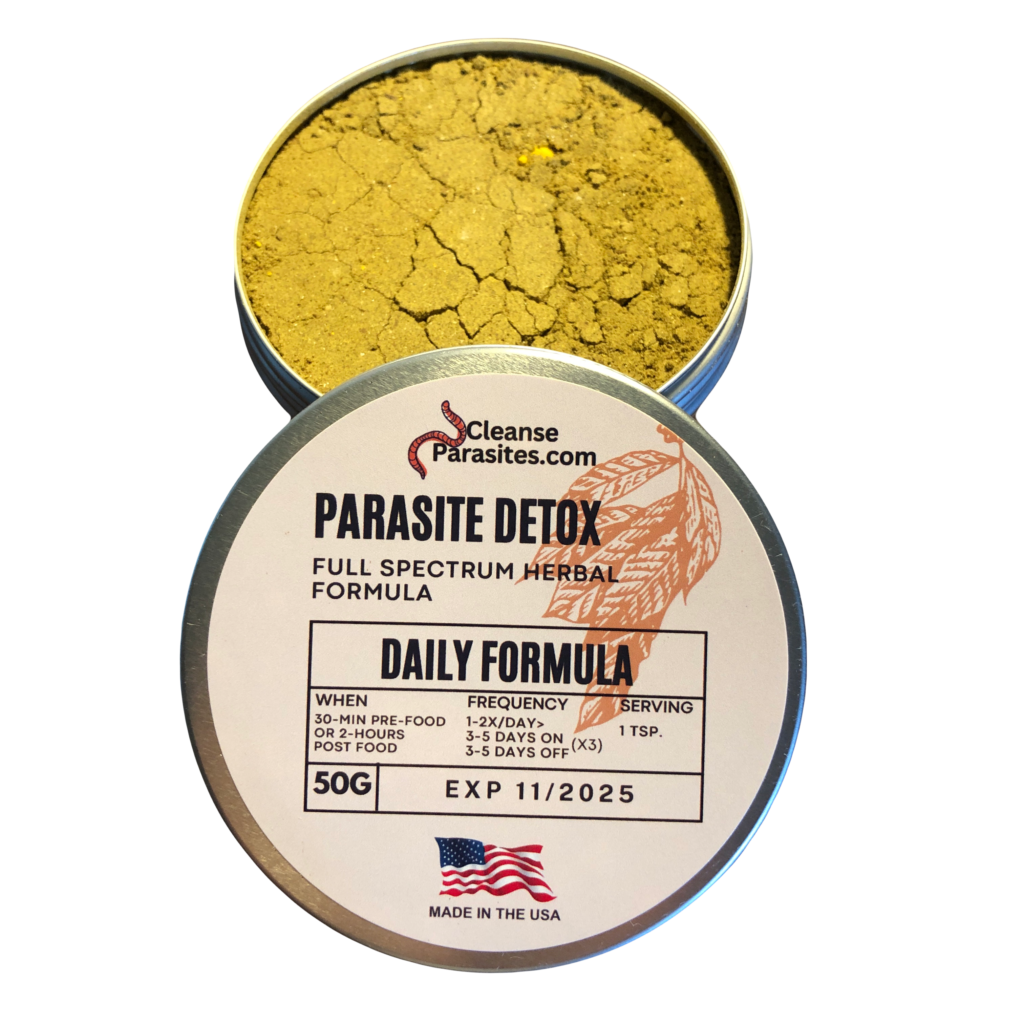
Diatomaceous earth (DE) is a powder made from the fossilized shells of diatoms, tiny algae with silica-based cell walls. It’s marketed for human parasite cleansing based on the idea that its abrasive, absorbent particles can damage parasite exoskeletons or guts and dry them out, similar to how it works as a physical insecticide in stored grain and on crops.
Most of the actual research on DE and parasites comes from agriculture and veterinary science, not human trials. Below is an honest look at what that evidence shows, what it doesn’t, and the safety questions that matter most before anyone considers using DE internally.
Key Takeaways
- The clearest anti-parasitic evidence for DE is agricultural: effective as a desiccant against external parasites like cattle ticks, but less consistently effective than pharmaceutical dewormers against poultry helminths.
- No human clinical trial has tested oral DE against confirmed intestinal parasites; the efficacy evidence is agricultural, in poultry and livestock.
- The best-documented human health risk from DE is respiratory: crystalline silica inhalation causing silicosis and lung cancer in occupational settings, not from swallowing food-grade DE.
- Food-grade DE fed to livestock did not show elevated human health risk through the meat/milk/egg consumption pathway, but that’s a food-safety finding, not a parasite-efficacy finding.
- DE’s adsorptive material properties are real and documented, but the evidence for that comes from marine toxin binding and hydrogel engineering studies, not from human gut parasite studies.
Where the Anti-Parasitic Evidence Actually Comes From
The strongest data on DE and parasites is agricultural. A review of fossil shell flour (a form of DE) use in livestock production found it’s commonly added to feed for general animal health and pest management purposes, though the review notes that evidence for consistent anti-parasitic efficacy across species is mixed and not uniformly conclusive [1].

A more targeted study looked at helminth (worm) parasite loads in a commercial egg-laying poultry facility and compared nutraceutical treatments, including DE-based products, against pharmaceutical dewormers. The pharmaceutical options showed clearer, more consistent efficacy against the four helminth species tracked, while the nutraceutical/DE approach was less reliably effective [2].
Separately, DE has shown a real physical mode of action against external parasites: as a desiccant dust, it was lethal to cattle ticks (Rhipicephalus microplus) in both lab and field conditions, whether used alone or combined with botanical actives [3]. This supports the mechanical, drying-out mechanism, but it’s for an external arthropod parasite on skin, not an internal gut parasite.
The Mechanism: What DE Is Proposed to Do
The proposed mechanism for DE against parasites is mechanical rather than chemical. DE particles are sharp and highly porous at a microscopic level, and the working theory is that they abrade the outer surface (cuticle or exoskeleton) of small organisms and absorb lipids and moisture, causing dehydration. This is the same principle used in stored-grain insect control and, per the tick study above, in field parasite control on livestock [3].
There is no direct human clinical evidence testing whether swallowed DE can reach and similarly affect intestinal helminths or protozoa the way it affects an insect cuticle or an external tick. The poultry helminth study is the closest parasite-specific data point, and it found DE-type nutraceutical approaches were less effective than pharmaceutical dewormers [2].

Human Safety: The Inhalation Risk Is Well-Documented
The best-established human health research on DE isn’t about parasites at all, it’s about occupational lung disease from inhaling crystalline silica dust during DE mining and processing. Quantitative risk assessments of DE industry workers found clear associations between crystalline silica exposure and both lung cancer mortality and silicosis [4] [5].

A long-term follow-up study of California DE workers confirmed elevated mortality from lung cancer and non-malignant respiratory disease tied to occupational silica exposure [6]. A separate case report described severe, fatal silicosis in a dental technician from DE used in dental alginate powder, illustrating that even non-mining occupational exposure to airborne DE dust carries real risk [7].
These findings are specific to inhaling DE dust, not to swallowing food-grade DE as a supplement. But they underscore why food-grade DE powders should never be used in a way that creates inhalable dust, and why anyone with respiratory conditions should be cautious around DE in any powdered form.

Safety of Oral/Ingested Exposure
There is some food-safety-specific research on ingested DE. A study evaluating the human health risk from consuming meat, milk, and eggs from livestock fed rations supplemented with Red Lake Diatomaceous Earth found the ingestion pathway did not indicate an elevated human health risk from those animal products [8]. This is reassuring for DE as a livestock feed additive reaching the food supply, but it is not a study of humans directly ingesting DE as a supplement or cleanse product.
DE also has documented material properties relevant to how it behaves once ingested: it can be engineered into hydrogels with slow-release, absorptive characteristics [9], and separately, diatomite-type clays have demonstrated strong adsorption of biological toxins like domoic acid in marine sediment studies [10] and in sensing applications [11]. These findings describe DE’s general binding/absorptive capacity for organic molecules, they are not evidence that DE binds or eliminates parasites in the human gut, and none of these studies involved parasites or human digestion.
What's Missing: Direct Human Parasite Research
Across the evidence available here, there is no human clinical trial testing oral DE against confirmed intestinal parasite infections. The parasite-specific data is limited to poultry helminths (where DE-type approaches underperformed pharmaceutical dewormers) [2] and external tick control on cattle [3]. Neither directly answers whether swallowing food-grade DE reduces human intestinal parasite load.
A related consideration is environmental exposure: crop-focused research on pesticide residues and their environmental fate [12] is sometimes cited in DE marketing to draw a contrast between DE as a ‘natural’ pest control and synthetic pesticides. That study is about carbamate pesticide degradation chemistry, though, and doesn’t speak to DE’s efficacy or safety for parasites one way or the other.
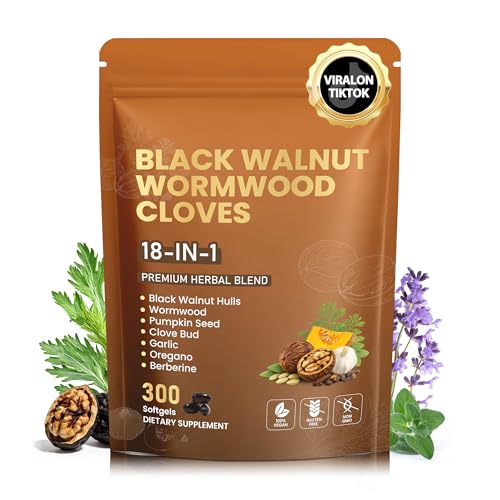
🛒 Where to Buy Parasite Cleanse Protocol
- CleanseParasites Herbal Parasite Cleanse Powder Editor’s Pick
The flagship product for this hub’s own protocol content — wormwood, black walnut hull, cloves, and more. - CleanseParasites Full Detox Bundle (all products) Editor’s Pick
The complete 11-week protocol bundle: parasite cleanse, metals binder, superfood, and more in one order. - Global Healing Paratrex I
oil-based liquid, 1 ml, 2x daily — Current MicroSomal formula is a pumpkin-seed and pomegranate-seed oil blend with essential oils; it no longer contains wormwood, clove or black walnut - Amazing Herbs Premium Black Walnut-Wormwood Complex
capsules, 2 capsules daily — Budget-friendly combination capsule pairing black walnut hull and wormwood, a common starter product - NOW Foods Wormwood
capsules, 1 capsule, 2x daily — Single-herb wormwood capsule from a widely trusted supplement manufacturer, good for readers wanting to build their own stack - Herb Pharm Black Walnut
liquid, 0.5-1 mL, 3x daily — Alcohol-based liquid extract from a respected small-batch herbal manufacturer, common alternative to capsule form
As an Amazon Associate we earn from qualifying purchases. Quality varies widely — always choose a product with a published third-party test (COA) before buying.

A Note on the Evidence
This evidence base does not include a human clinical trial of oral diatomaceous earth against confirmed parasite infections, and DE dust is a documented respiratory hazard (silicosis, lung cancer) when inhaled. Only lab-confirmed diagnosis and medical treatment should be relied on for an active parasitic infection; talk to a healthcare provider before using DE or any parasite cleanse product, especially if pregnant, nursing, caring for a child, or taking medication. This is informational only, not medical advice, and these statements have not been evaluated by the FDA.

Frequently Asked Questions
Does diatomaceous earth kill intestinal parasites in humans?
There’s no human clinical trial in the available evidence testing this directly. The closest parasite-specific data is in poultry, where DE-type nutraceutical treatments were less consistently effective than pharmaceutical dewormers against helminths [2].
Is diatomaceous earth safe to breathe in?
No. Occupational studies of DE industry and dental technician workers show clear risks of silicosis and lung cancer from inhaling crystalline silica dust in DE [4] [5] [6] [7]. Only food-grade DE should ever be considered for ingestion, and it should be handled to avoid creating airborne dust.
What's the proposed mechanism for DE against parasites?
The theory is mechanical: sharp, porous DE particles abrade an organism’s outer surface and absorb lipids and moisture, causing dehydration. This is supported by tick studies on cattle [3], but that’s an external parasite, not evidence of the same effect on internal parasites.
Has DE been tested for food safety when animals are fed it?
Yes, one study found that meat, milk, and eggs from livestock fed rations supplemented with Red Lake Diatomaceous Earth did not indicate elevated human health risk through the ingestion pathway [8]. This is about the food supply, not about DE’s effectiveness as a human parasite treatment.

Does DE work as well as pharmaceutical dewormers?
In the one direct comparison available in this evidence, a poultry helminth study found pharmaceutical dewormers more consistently effective than nutraceutical/DE-type interventions [2].
Can DE bind toxins or parasites in the gut?
DE and diatomite materials have documented adsorptive capacity for certain molecules, shown in marine toxin (domoic acid) binding and sensing studies [10] [11] and in engineered slow-release hydrogels [9]. None of these studies involved parasites or the human gut, so this shouldn’t be read as evidence that DE binds parasites internally.
References
- Ikusika OO et al. Fossil Shell Flour in Livestock Production: A Review. Animals : an open access journal from MDPI (2019). PMID 30813550
- Yazwinski TA et al. Distribution of Four Parasitic Helminth Species in One Pen-Free, Egg-Laying Housing Facility, and the Corresponding Efficacy of Nutraceutical and Pharmaceutical Administrations. Avian diseases (2020). PMID 33647152
- Showler AT et al. Desiccant Dusts, With and Without Bioactive Botanicals, Lethal to Rhipicephalus (Boophilus) microplus Canestrini (Ixodida: Ixodidae) in the Laboratory and on Cattle. Journal of medical entomology (2023). PMID 36734019
- Rice FL et al. Crystalline silica exposure and lung cancer mortality in diatomaceous earth industry workers: a quantitative risk assessment. Occupational and environmental medicine (2001). PMID 11119633
- Park R et al. Exposure to crystalline silica, silicosis, and lung disease other than cancer in diatomaceous earth industry workers: a quantitative risk assessment. Occupational and environmental medicine (2002). PMID 11836467
- Gallagher LG et al. Extended follow-up of lung cancer and non-malignant respiratory disease mortality among California diatomaceous earth workers. Occupational and environmental medicine (2015). PMID 25759179
- Barbieri PG et al. Severe silicosis due to diatomaceous earth in dental alginate: a necropsy study. La Medicina del lavoro (2020). PMID 32624564
- Wikoff DS et al. Evaluation of potential human health risk associated with consumption of edible products from livestock fed ration supplemented with Red Lake Diatomaceous Earth. Food additives & contaminants. Part A, Chemistry, analysis, control, exposure & risk assessment (2020). PMID 32134694
- Lv J et al. Mechanical and slow-released property of poly(acrylamide) hydrogel reinforced by diatomite. Materials science & engineering. C, Materials for biological applications (2019). PMID 30889705
- Burns JM et al. Adsorption of domoic acid to marine sediments and clays. Journal of environmental monitoring : JEM (2007). PMID 18049776
- Juneja S et al. Quantitative Sensing of Domoic Acid from Shellfish Using Biological Photonic Crystal Enhanced SERS Substrates. Molecules (Basel, Switzerland) (2022). PMID 36500455
- Rivera M et al. N-methylcarbamate pesticides and their phenolic degradation products: hydrolytic decay, sequestration and metal complexation studies. Journal of environmental science and health. Part. B, Pesticides, food contaminants, and agricultural wastes (2019). PMID 30460875
These statements have not been evaluated by the Food and Drug Administration. This information is not intended to diagnose, treat, cure, or prevent any disease. Content is for informational purposes only and is not medical advice; consult a qualified healthcare provider before starting any supplement. As an Amazon Associate we earn from qualifying purchases.