Diatomaceous earth (DE) is fossilized algae, mostly silica, ground into a fine powder and sold for everything from pool filters to parasite cleanse protocols. But ‘diatomaceous earth’ on a label can mean two very different products, and confusing them is a real safety issue, not a marketing technicality.
The distinction comes down to how much of the silica in the powder is crystalline versus amorphous, and how it was processed. This article explains what that means, why it matters if you’re inhaling or ingesting the powder, and what the actual evidence says about silica exposure risk.
Key Takeaways
- Food-grade and industrial-grade DE are processed differently and have very different crystalline silica content (roughly under 2% vs. up to 60%+)
- Crystalline silica inhalation is linked to COPD [1] and lung cancer in occupational studies [2] — industrial-grade DE is not for ingestion or casual handling
- Amorphous silica (the dominant form in food-grade DE) also carries inhalation hazards, just a lower-risk profile than crystalline silica [3]
- Fine mineral dust in general can trigger inflammatory responses when inhaled [4], so avoid creating airborne dust with any DE product
- The strongest silica health data is about inhalation, not ingestion — always verify a product is labeled and tested as food-grade before oral use
What 'Food-Grade' Actually Means
Diatomaceous earth is made of the fossilized cell walls of diatoms, single-celled algae with skeletons made of silica. In its natural, uncalcined state, that silica is almost entirely amorphous (non-crystalline) silica. Food-grade DE is minimally processed and screened to keep crystalline silica content very low, typically under 1-2%.
Industrial-grade DE, used in pool filters and some industrial abrasives, is often calcined or flux-calcined (heated at high temperatures). That heating process converts amorphous silica into crystalline forms like cristobalite, which can push crystalline silica content up to 60% or more. Industrial-grade DE is not intended for ingestion or open-air use around people and is a different material in practical terms, even though both are labeled ‘diatomaceous earth.’

Why Crystalline vs. Amorphous Silica Matters
The health literature draws a sharp line between amorphous and crystalline silica when it comes to inhalation risk. Occupational studies of workers exposed to crystalline silica dust show clear associations with chronic respiratory disease, including chronic obstructive pulmonary disease [1].
A pooled analysis across 10 cohorts of silica-exposed workers, conducted for the International Agency for Research on Cancer, found a dose-response relationship between cumulative crystalline silica exposure and lung cancer risk [2]. This is why occupational safety standards treat crystalline silica dust as a distinct hazard category, separate from amorphous silica.
Amorphous silica is not risk-free either. Reviews of inhalation hazards from amorphous silica dust describe irritant and inflammatory effects on lung tissue, though the risk profile is generally considered lower than crystalline silica at comparable exposure levels [3]. The practical takeaway: even food-grade DE is a fine mineral dust, and inhaling it is not something to do casually, but industrial-grade DE with high crystalline silica content is a materially different and more serious inhalation hazard.
What the Broader Silica-Dust Research Tells Us
Some of the most detailed data on inhaled fine mineral dust comes from research on natural airborne silica exposure. A 2023 study on inhalable Saharan dust, which is rich in fine silicate mineral particles, found that it activated the NLRP3 inflammasome and triggered oxidative stress and inflammatory cytokine release in exposed tissue [4].

That study wasn’t about diatomaceous earth specifically, but it’s a useful illustration of a general principle: fine mineral particulate, silica-based or not, can provoke an inflammatory response in the respiratory tract when inhaled in sufficient quantity. This is part of why DE products, food-grade or not, typically carry warnings against inhaling the dust and recommend caution when handling the powder (masks, avoiding stirring it into a visible dust cloud).
Ingestion vs. Inhalation: Two Different Risk Questions
The inhalation research above is about breathing in airborne silica dust, which is a distinct exposure route from swallowing food-grade DE mixed into water or a supplement, which is how it’s used in most parasite cleanse protocols. The lung studies cited here are the strongest available human and occupational evidence on silica, but they’re specific to inhalation exposure, not oral ingestion.
This matters for how you interpret the evidence: the crystalline silica cancer and COPD data [1][2] comes from workers who inhaled silica dust repeatedly over years in industrial or mining settings, not from people swallowing small amounts of food-grade DE. That doesn’t mean oral use of DE has no risks, it means the specific, well-documented risks described here are inhalation risks, and the practical safety implication is straightforward: don’t turn DE into airborne dust while handling it, regardless of grade.
How This Applies to Parasite Cleanse Protocols
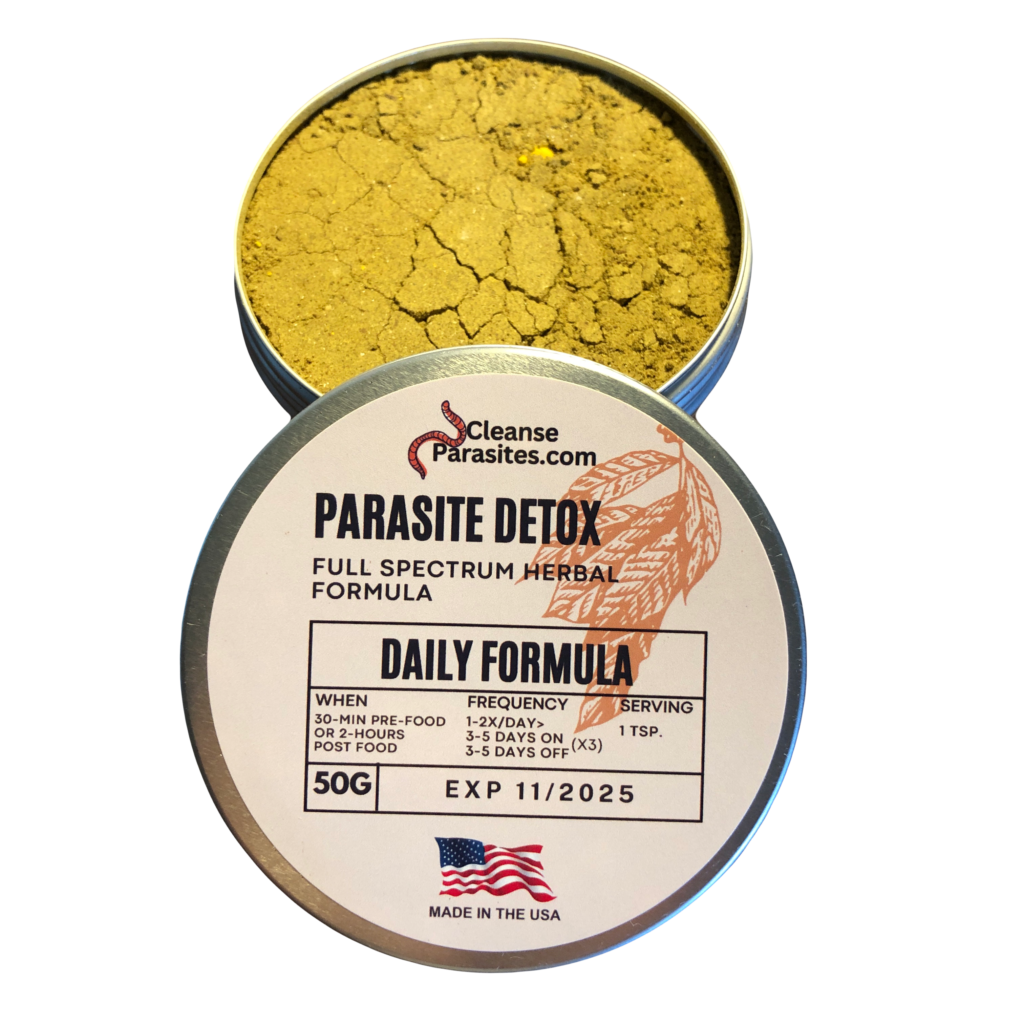
In a parasite cleanse context, DE is typically included as a binder, alongside herbs like wormwood, black walnut hull, and clove, with the idea that it can help physically trap and carry material out through the gut. Only food-grade DE, verified as such and sourced from a supplier that tests crystalline silica content, should ever be considered for oral use.

Because DE is a fine powder regardless of grade, minimize inhalation exposure when mixing it: stir gently in a covered container, avoid shaking dry powder into the air, and don’t use it in ways that generate visible dust clouds. This precaution is independent of whether you’re using food-grade or industrial-grade material; it is simply good practice with any fine mineral powder.
🛒 Where to Buy Parasite Cleanse Protocol
- CleanseParasites Herbal Parasite Cleanse Powder Editor’s Pick
The flagship product for this hub’s own protocol content — wormwood, black walnut hull, cloves, and more. - CleanseParasites Full Detox Bundle (all products) Editor’s Pick
The complete 11-week protocol bundle: parasite cleanse, metals binder, superfood, and more in one order. - Global Healing Paratrex I
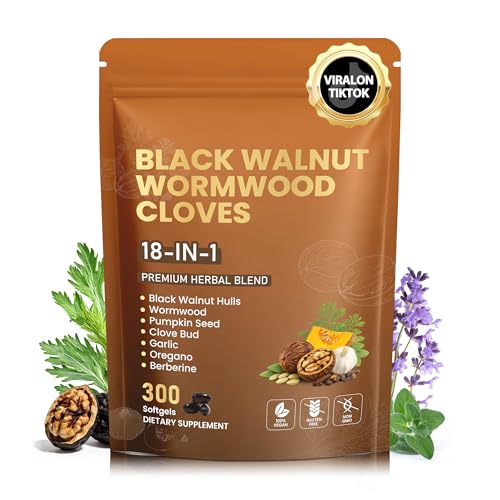
oil-based liquid, 1 ml, 2x daily — Current MicroSomal formula is a pumpkin-seed and pomegranate-seed oil blend with essential oils; it no longer contains wormwood, clove or black walnut - Amazing Herbs Premium Black Walnut-Wormwood Complex
capsules, 2 capsules daily — Budget-friendly combination capsule pairing black walnut hull and wormwood, a common starter product - NOW Foods Wormwood
capsules, 1 capsule, 2x daily — Single-herb wormwood capsule from a widely trusted supplement manufacturer, good for readers wanting to build their own stack - Herb Pharm Black Walnut
liquid, 0.5-1 mL, 3x daily — Alcohol-based liquid extract from a respected small-batch herbal manufacturer, common alternative to capsule form
As an Amazon Associate we earn from qualifying purchases. Quality varies widely — always choose a product with a published third-party test (COA) before buying.
A Note on the Evidence
These statements have not been evaluated by the FDA and diatomaceous earth is not intended to diagnose, treat, cure, or prevent any disease. The silica research cited here is primarily occupational inhalation data, not ingestion-specific safety data, so treat it as context for handling precautions rather than direct evidence about oral cleanse use; consult a healthcare provider before starting any parasite cleanse protocol, especially if pregnant, nursing, on medication, or if you suspect an actual parasitic infection requiring lab-confirmed diagnosis.
Frequently Asked Questions
Is food-grade diatomaceous earth safe to swallow?
Food-grade DE has low crystalline silica content and is the only grade considered for oral use, but the strongest safety research available concerns inhalation exposure to silica dust [1][2], not ingestion. Talk to a healthcare provider before starting any DE-containing protocol, especially if pregnant, nursing, or on medication.
Can I use pool-filter (industrial) diatomaceous earth for a cleanse?
No. Industrial or pool-grade DE is often calcined, which converts much of its silica into crystalline forms linked to serious respiratory disease and lung cancer risk in occupational exposure studies [1][2]. It is not intended for ingestion.
Is it dangerous to breathe in diatomaceous earth powder?
Handling any fine DE powder can create airborne dust, and inhaling silica dust, whether crystalline or amorphous, has documented respiratory hazards, from irritation to inflammation to, with crystalline silica specifically, COPD and cancer risk in workers with heavy occupational exposure [3][1][2]. Avoid generating dust clouds when mixing it.

What's the difference between crystalline and amorphous silica?
Crystalline silica has an ordered molecular structure and forms (like quartz or cristobalite) that are associated with more severe lung disease risk in inhalation studies [1][2]. Amorphous silica lacks that ordered structure and is generally considered less hazardous to inhale, though not risk-free [3]. Food-grade DE is almost entirely amorphous; industrial-grade DE can be majority crystalline.
Does inhaled dust in general cause inflammation, not just silica?
Yes. Research on inhaled fine mineral dust, such as Saharan dust events, shows it can trigger oxidative stress and inflammatory immune responses (NLRP3 inflammasome activation) in exposed tissue [4]. This supports general caution around inhaling any fine particulate matter, DE included.
Who should avoid diatomaceous earth or check with a doctor first?
Anyone with a suspected or confirmed parasitic infection should get it lab-confirmed and medically treated rather than relying on DE or herbal protocols alone. Pregnant or nursing individuals, children, and anyone on medication should talk to a healthcare provider before starting a DE-containing cleanse.
References
- Rushton L et al. Chronic obstructive pulmonary disease and occupational exposure to silica. Reviews on environmental health (2007). PMID 18351226
- Steenland K et al. Pooled exposure-response analyses and risk assessment for lung cancer in 10 cohorts of silica-exposed workers: an IARC multicentre study. Cancer causes & control : CCC (2001). PMID 11714104
- Merget R et al. Health hazards due to the inhalation of amorphous silica. Archives of toxicology (2002). PMID 11876495
- Bredeck G et al. Inhalable Saharan dust induces oxidative stress, NLRP3 inflammasome activation, and inflammatory cytokine release. Environment international (2023). PMID 36680803
These statements have not been evaluated by the Food and Drug Administration. This information is not intended to diagnose, treat, cure, or prevent any disease. Content is for informational purposes only and is not medical advice; consult a qualified healthcare provider before starting any supplement. As an Amazon Associate we earn from qualifying purchases.