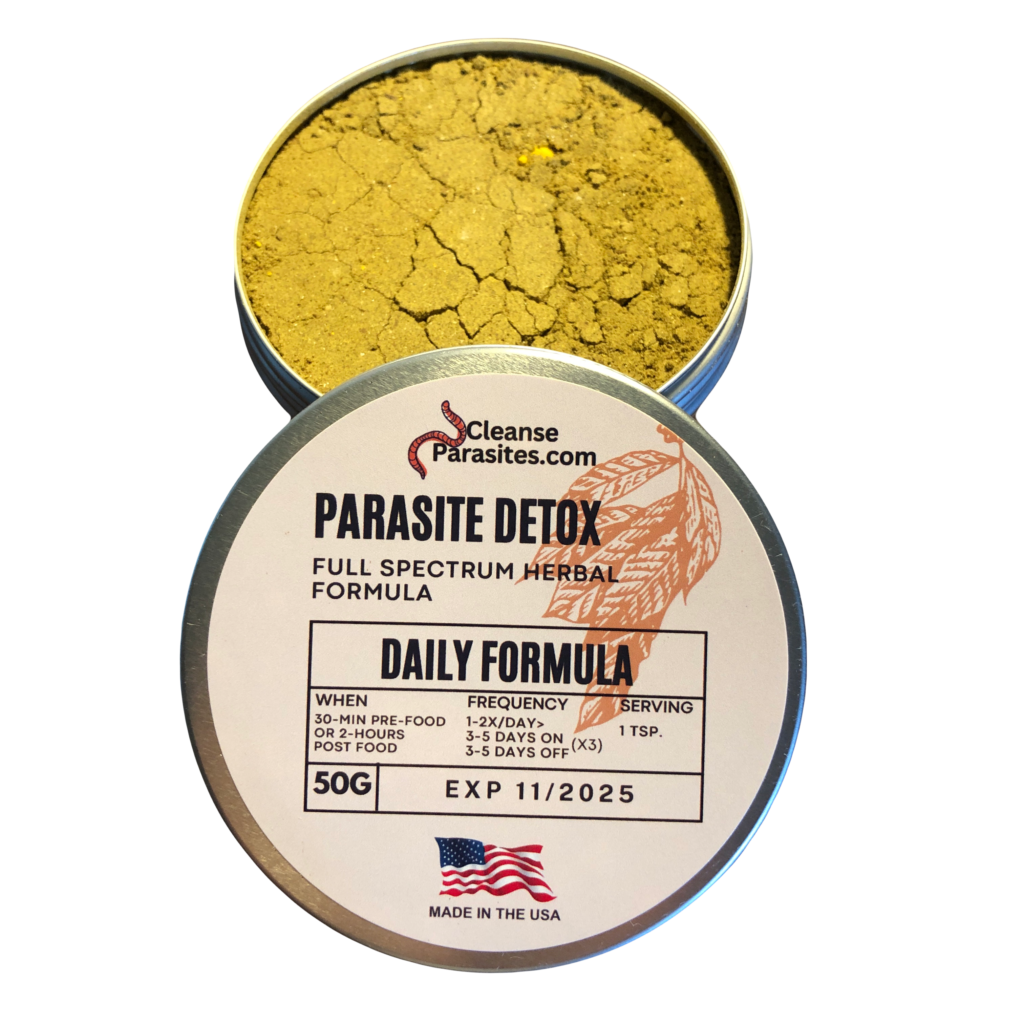
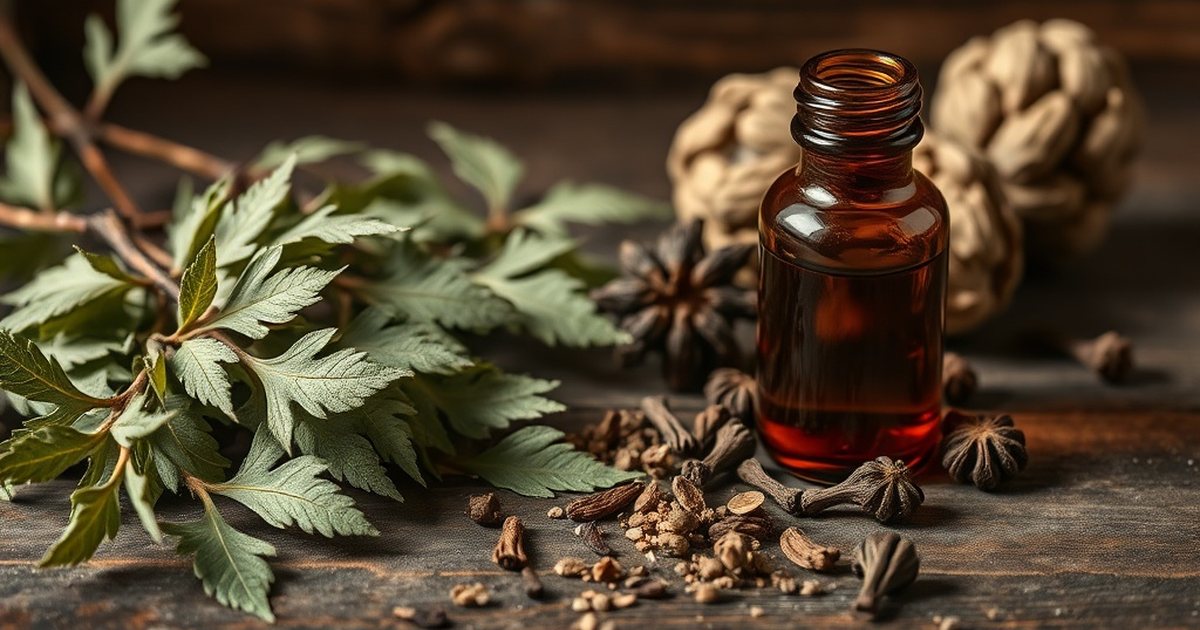
Black walnut hull (from Juglans nigra or the related Juglans regia and Juglans mandshurica) shows up in almost every parasite cleanse protocol, usually alongside wormwood and clove. Its antiparasitic reputation traces back to juglone, a naphthoquinone compound concentrated in the green hull, which is proposed to disrupt cell membranes and interfere with parasite reproduction. But juglone is not a gentle plant compound picked for its safety profile, it’s studied largely because it’s cytotoxic, and that same property that may make it useful against parasites is exactly why the herb needs a serious safety conversation.
This article lays out what’s actually known about black walnut hull’s side effects and toxicity, who should avoid it outright, and why the margin between a therapeutic dose and a harmful one is not well established in humans. None of this is medical advice, and none of it substitutes for a lab-confirmed parasite diagnosis or a conversation with a healthcare provider.
Key Takeaways
- Juglone, the active compound in black walnut hull, is a cytotoxic naphthoquinone studied largely for its cell-damaging effects, the same property proposed to work against parasites [1].
- Animal toxicity studies show juglone produces measurable toxic effects at certain doses, and researchers are actively developing encapsulation methods specifically to reduce that toxicity [2] [3].
- Walnut allergy, including LTP-pattern sensitization, is well documented and can range from mild to severe, including cross-reactive cases without a prior walnut diagnosis [4] [5].
- Pregnant or nursing individuals, children, anyone on medication, and anyone with liver, kidney, or allergy concerns should avoid black walnut hull without medical guidance.
- No human clinical trial has established a safe therapeutic dose for parasite cleanse use, the toxicology data comes from cell and animal models.
What Juglone Actually Is, and Why It's Not a Mild Compound
Juglone (5-hydroxy-1,4-naphthoquinone) is the compound researchers point to when explaining black walnut hull’s biological activity. It belongs to the naphthoquinone family, a class of molecules studied extensively for anticancer potential precisely because they are cytotoxic, meaning they kill or damage cells [1]. Juglone has been investigated for its effects against melanoma cells [6] and osteosarcoma cells [7], where researchers have traced its activity to oxidative stress pathways, including ROS generation and PI3K/AKT signaling disruption.

This is the core tension with black walnut hull as a cleanse ingredient: the same mechanism, cell membrane disruption and oxidative damage, that’s proposed to work against parasites is not selective. Cytotoxic compounds don’t reliably distinguish between a parasite’s cells and the host’s own tissue, especially at higher or less-controlled doses. Research into juglone has been driven by an interest in controlling and reducing that toxicity, not by an assumption that it’s inherently safe [3].
What Toxicity Studies Actually Show
One of the most directly relevant pieces of evidence is a mouse study assessing acute and sub-acute oral toxicity of juglone. Researchers found that juglone produced measurable toxic effects, and the study was specifically designed to establish where those effects begin, work that exists because juglone’s safety margin was not assumed to be wide [2]. Acute and sub-acute toxicity studies like this typically look at organ damage, blood chemistry changes, and behavioral effects following oral dosing, and they’re a standard early step in establishing whether a compound is safe for repeated human use, not a final answer.
Separately, comparisons of free versus nano-encapsulated juglone have shown that the delivery form of the compound significantly changes its cytotoxic and mutagenic behavior [3]. Researchers are actively working on encapsulation and nanoparticle delivery systems specifically to reduce juglone’s toxicity while preserving its bioactivity [6]. That entire line of research exists because raw, unmodified juglone, which is what’s present in black walnut hull supplements and tinctures, is understood to carry meaningful toxicity risk in its natural form.

Allergy Risk: A Separate and Well-Documented Concern
Walnut allergy is one of the better-characterized tree nut allergies in the research literature. A large European study mapping allergen sensitization patterns found that walnut allergy severity varies by which specific allergen a person reacts to, with some sensitization patterns linked to more severe reactions, including systemic ones [4]. Anyone with a known tree nut or walnut allergy should treat black walnut hull products as a direct allergy risk, not just a digestive supplement.
Lipid transfer protein (LTP) allergy is a specific pattern seen in walnut and other plant-based allergies, and case reports describe LTP sensitization producing atypical or unexpected allergic reactions [5]. Because LTP allergies can cross-react across botanically unrelated plants, someone with a known LTP sensitivity may react to black walnut products even without a prior walnut-specific allergy diagnosis. Separately, walnut leaf extracts have been studied for effects on allergic skin inflammation in animal models [8], research that speaks to walnut plant compounds’ interaction with immune and skin responses generally, though this specific study looked at a leaf extract’s anti-inflammatory effect rather than establishing hull safety.
Who Should Avoid Black Walnut Hull
Given the toxicity data on juglone and the well-established allergy profile of walnut, several groups have clear reasons to avoid black walnut hull products entirely. Anyone with a tree nut or walnut allergy, including known LTP sensitization, is at risk for reactions ranging from mild to severe [4] [5]. Pregnant or nursing individuals should avoid it, since juglone’s toxicity has not been evaluated for safety in pregnancy or lactation, and cytotoxic compounds are a standard category of concern in these populations. Children are another group where dosing and toxicity thresholds established in adult-oriented studies simply don’t translate, and the acute toxicity data available comes from animal models, not pediatric human trials [2].

People on medication, particularly anything metabolized by the liver, or anyone with existing liver or kidney conditions, should talk to a doctor before use, since a compound with demonstrated organ-level toxicity in animal studies warrants caution when combined with other substances the liver has to process [2]. Anyone considering black walnut hull for a suspected parasite infection should also recognize that self-treating without a lab-confirmed diagnosis means potentially exposing yourself to a cytotoxic compound for a condition you don’t actually have confirmed.
What This Means for Cleanse Protocols in Practice
The mechanistic story for black walnut hull, juglone disrupting parasite membranes, is plausible in the sense that naphthoquinones are genuinely reactive, cell-damaging molecules [1]. But plausible mechanism is not the same as an established safe human dose for cleanse purposes. The toxicology research available comes primarily from cancer-cell and animal-model studies designed to characterize cytotoxicity and find ways to reduce it [2] [3], not from human clinical trials establishing a therapeutic window for parasite reduction.
That gap matters. It means anyone using black walnut hull products should treat dosing conservatively, avoid combining it with other cytotoxic or liver-stressing supplements, watch for allergic symptoms, and stop use and consult a doctor if side effects like gastrointestinal distress, skin reactions, or unusual fatigue appear.
🛒 Where to Buy Parasite Cleanse Protocol
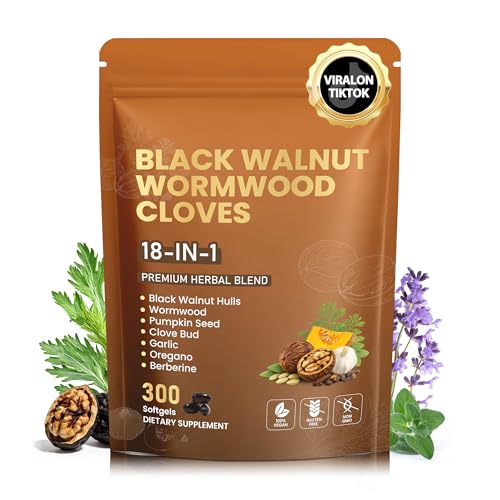
- CleanseParasites Herbal Parasite Cleanse Powder Editor’s Pick
The flagship product for this hub’s own protocol content — wormwood, black walnut hull, cloves, and more. - CleanseParasites Full Detox Bundle (all products) Editor’s Pick
The complete 11-week protocol bundle: parasite cleanse, metals binder, superfood, and more in one order. - Global Healing Paratrex I
oil-based liquid, 1 ml, 2x daily — Current MicroSomal formula is a pumpkin-seed and pomegranate-seed oil blend with essential oils; it no longer contains wormwood, clove or black walnut - Amazing Herbs Premium Black Walnut-Wormwood Complex
capsules, 2 capsules daily — Budget-friendly combination capsule pairing black walnut hull and wormwood, a common starter product - NOW Foods Wormwood
capsules, 1 capsule, 2x daily — Single-herb wormwood capsule from a widely trusted supplement manufacturer, good for readers wanting to build their own stack - Herb Pharm Black Walnut
liquid, 0.5-1 mL, 3x daily — Alcohol-based liquid extract from a respected small-batch herbal manufacturer, common alternative to capsule form
As an Amazon Associate we earn from qualifying purchases. Quality varies widely — always choose a product with a published third-party test (COA) before buying.
A Note on the Evidence
This article is informational, not medical advice, and the evidence cited is largely from cell-culture and animal toxicity studies rather than human clinical trials on parasite cleansing specifically. These statements have not been evaluated by the FDA and black walnut hull products are not intended to diagnose, treat, cure, or prevent any disease; anyone with a suspected parasitic infection should seek lab-confirmed diagnosis and talk to a healthcare provider before using black walnut hull, especially if pregnant, nursing, on medication, or managing liver or kidney conditions.
Frequently Asked Questions
Is black walnut hull safe to take every day?
There’s no human clinical evidence in the available research establishing a safe daily dose for parasite cleanse purposes. The toxicity data comes from animal and cell studies showing juglone has measurable toxic effects at certain doses [2], so daily long-term use without medical guidance isn’t well supported.

Can black walnut hull cause an allergic reaction even if I've never had a walnut allergy?
Yes, this is possible with LTP (lipid transfer protein) sensitization, a cross-reactive allergy pattern that can produce reactions to walnut products without a prior walnut-specific diagnosis [5]. Walnut allergen sensitization patterns also vary in severity across different allergen components [4].
Why is juglone considered toxic if it's also studied for cancer treatment?
Juglone’s cytotoxic (cell-damaging) properties are exactly what make it interesting for cancer research, studies have looked at its effects on melanoma [6] and osteosarcoma cells [7]. That same cell-damaging mechanism is why unmodified juglone also carries toxicity risk in normal tissue, which is why researchers are developing encapsulated, lower-toxicity delivery forms [6].
Should pregnant women take black walnut hull for a parasite cleanse?
No. Juglone and black walnut hull have never been evaluated for safety in pregnancy or lactation in a published human study. Given the documented cytotoxicity in animal studies [2], pregnant or nursing individuals should avoid it and speak with a healthcare provider about any suspected parasitic infection instead.

What are signs I should stop taking black walnut hull?
Any allergic symptoms (rash, swelling, difficulty breathing, gastrointestinal upset) warrant stopping immediately given the documented walnut allergy risk [4]. Unusual fatigue, digestive distress, or any signs of liver-related symptoms should also prompt stopping and consulting a doctor, since the compound’s toxicity profile in animal models involved organ-level effects [2].
Does black walnut hull actually kill parasites in humans?
The evidence set here doesn’t include a human clinical trial demonstrating antiparasitic efficacy for black walnut hull. The mechanistic rationale rests on juglone’s general cytotoxic activity against cells [1], not on trial data confirming it clears parasitic infections in people.
References
- Özenver N et al. Structure-activity relationship of anticancer drug candidate quinones. Turkish journal of chemistry (2024). PMID 38544901
- Gohil D et al. Acute and sub-acute oral toxicity assessment of 5-hydroxy-1,4-naphthoquinone in mice. Drug and chemical toxicology (2022). PMID 35899689
- Erisen S et al. Cytotoxic and mutagenic potential of juglone: a comparison of free and nano-encapsulated form. Arhiv za higijenu rada i toksikologiju (2020). PMID 32597139
- Lyons SA et al. Walnut Allergy Across Europe: Distribution of Allergen Sensitization Patterns and Prediction of Severity. The journal of allergy and clinical immunology. In practice (2021). PMID 32916320
- Metz-Favre C et al. Molecular allergology in practice: an unusual case of LTP allergy. European annals of allergy and clinical immunology (2011). PMID 22360137
- Yue WH et al. Jug-PLGA-NPs, a New Form of Juglone with Enhanced Efficiency and Reduced Toxicity on Melanoma. Chinese journal of integrative medicine (2022). PMID 34913148
- Miao H et al. Integrated strategies of network pharmacology, transcriptomics, and computational and experimental validation reveal the anti-osteosarcoma effects of juglone via the ROS/PI3K/AKT pathway. European journal of pharmacology (2026). PMID 41380825
- Park G et al. Inhibitory effects of Juglans mandshurica leaf on allergic dermatitis-like skin lesions-induced by 2,4-dinitrochlorobenzene in mice. Experimental and toxicologic pathology : official journal of the Gesellschaft fur Toxikologische Pathologie (2014). PMID 24252297
These statements have not been evaluated by the Food and Drug Administration. This information is not intended to diagnose, treat, cure, or prevent any disease. Content is for informational purposes only and is not medical advice; consult a qualified healthcare provider before starting any supplement. As an Amazon Associate we earn from qualifying purchases.