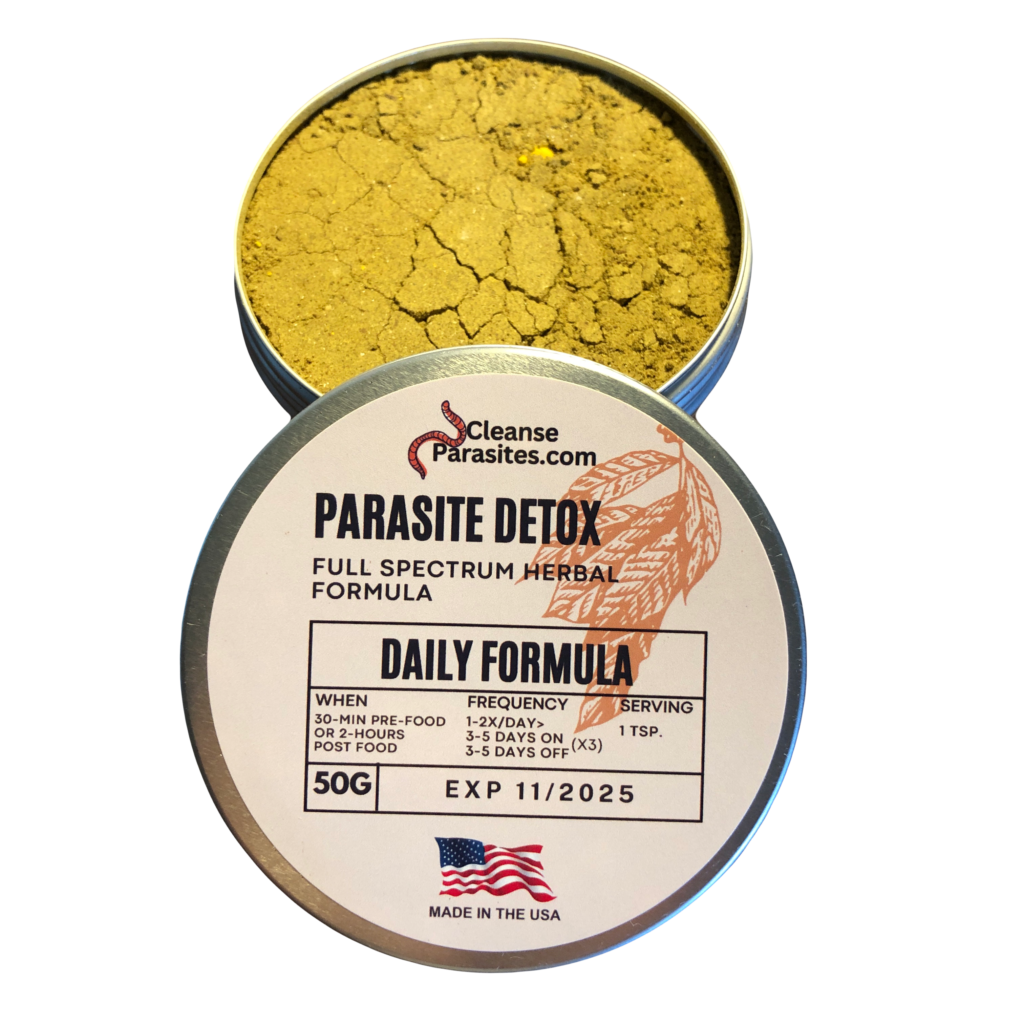
Parasite cleanse capsules are supplements that bundle antiparasitic and antimicrobial herbs, most commonly wormwood (Artemisia absinthium), black walnut hull (Juglans nigra), and clove (Syzygium aromaticum), sometimes alongside binders like diatomaceous earth or mimosa pudica seed. They’re marketed as a time-boxed regimen meant to reduce intestinal parasite load, typically taken over several weeks.
This review focuses on what separates a reasonably formulated product from a poorly made one: ingredient transparency, dosing that matches traditional or studied ranges, third-party testing, and honest labeling. It does not evaluate specific brands by name, and it is not a substitute for a lab-confirmed parasite diagnosis or medical treatment.
Key Takeaways
- Look for milligram-level ingredient disclosure, not just a proprietary blend total
- Wormwood, black walnut hull, and clove is the traditional core combination; binders like diatomaceous earth or mimosa pudica are common add-ons
- Standardization (e.g., percentage of active compounds) and third-party testing separate higher-quality products from generic ones
- Wormwood’s thujone content is the main safety flag, avoid in pregnancy, nursing, seizure history, and in children without medical guidance
- A cleanse is not a diagnostic tool, confirmed or suspected infection warrants lab testing and medical treatment, not just a capsule protocol
What's typically in a parasite cleanse capsule
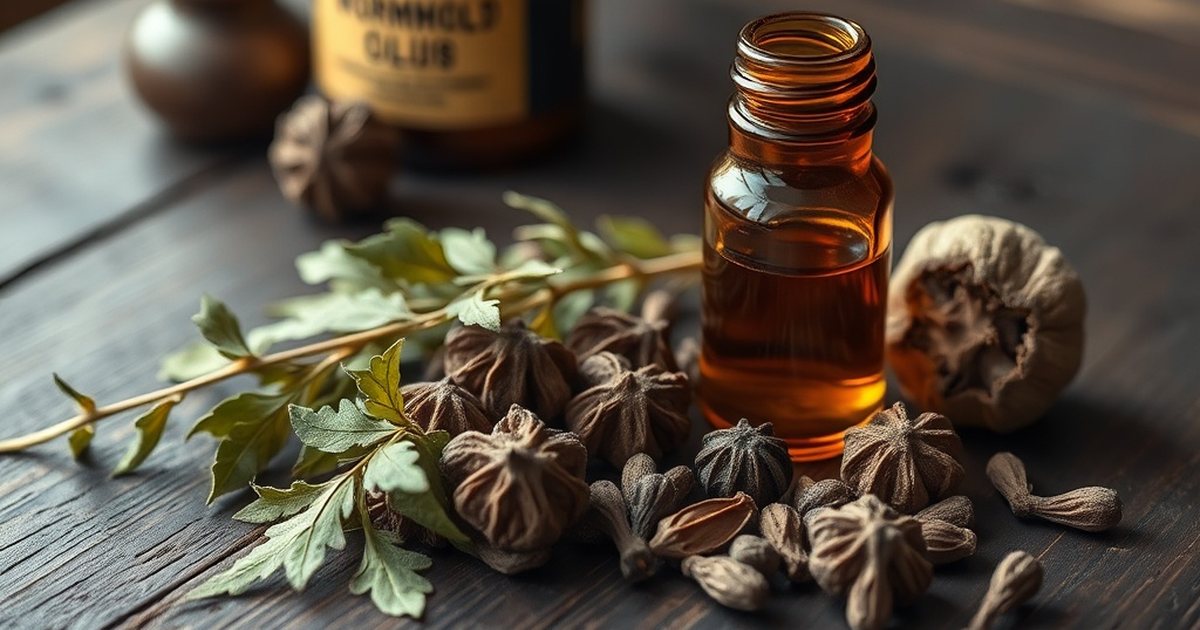
Most formulations center on a core trio: wormwood, black walnut hull, and clove. Wormwood contains sesquiterpene lactones (including thujone and artemisinin-related compounds in related Artemisia species) that have a long history of use against intestinal worms. Black walnut hull contains juglone and tannins, traditionally associated with antiparasitic and astringent effects. Clove contains eugenol, an aromatic compound studied for antimicrobial activity and often included specifically to target parasite eggs, since wormwood and black walnut are traditionally thought to act mainly on adult organisms.
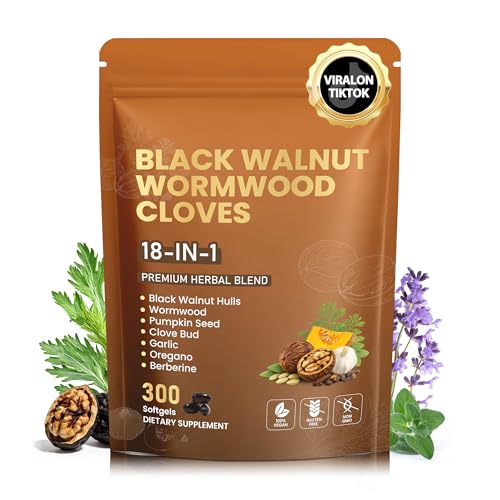
Many capsules add secondary ingredients: oregano oil or its constituent carvacrol, garlic, grapefruit seed extract, or pumpkin seed. Binders like diatomaceous earth (food-grade, mostly silica) or mimosa pudica seed (which forms a gel in the gut) are sometimes included on the theory that they trap and help eliminate organisms or debris after the herbs act. The proposed overall mechanism is disruption of parasite cell membranes and reproductive cycles, combined with physical binding and elimination through normal digestion.
How to judge formulation quality
The biggest quality differentiator between products is dosing transparency. A capsule should list the milligram amount of each herb, not just a proprietary blend total, so you can compare it to traditional or studied dosing ranges. Products that only disclose a blend weight make it impossible to know whether you’re getting a therapeutic amount of wormwood or a token amount diluted by cheaper filler herbs.

Standardization matters for potency-sensitive herbs. Wormwood extracts are sometimes standardized to a percentage of sesquiterpene lactones or thujone content; without that, potency can vary significantly between batches of the same plant material. Clove is often included as an essential oil in liquid tinctures but as dried, ground bud in capsules, look for which form a product uses, since oil-based clove is typically more concentrated per milligram than powdered.
Third-party testing (for heavy metals, microbial contamination, and identity verification of the plant material) is a meaningful trust signal for any bulk herbal supplement, since botanicals are more prone to adulteration and contamination than synthesized ingredients.
Dosing and protocol structure
Traditional parasite cleanse protocols are typically structured in phases: an initial period of lower doses to assess tolerance, a ramp-up to a full therapeutic dose sustained for several weeks (commonly cited ranges run 2 to 4 weeks, sometimes longer), and occasionally a maintenance or repeat cycle after a break. This phased structure exists partly because thujone-containing wormwood preparations can cause gastrointestinal upset or, at high doses, more serious effects, so gradual titration is a common safety practice in traditional use.
Capsule count and timing (with food vs. on an empty stomach) varies by brand and formulation strength, which is another reason dosing transparency on the label matters. There is no universally agreed-upon ‘correct’ protocol length, most manufacturer instructions reflect traditional herbalist practice rather than a single validated clinical protocol.

Who should be cautious or avoid these products
Wormwood’s thujone content is the primary reason these products carry caution language: thujone is neurotoxic at high doses and has a history of restriction in food and beverage products (it’s the compound historically associated with absinthe). People with seizure disorders, pregnant or nursing individuals, and children are commonly advised against wormwood-containing products for this reason.
Anyone taking prescription medications should check for interactions, several of these herbs (particularly clove/eugenol and garlic) have mild blood-thinning properties, and grapefruit seed extract can interact with drug-metabolizing enzymes in ways similar to grapefruit itself. Diatomaceous earth and other binders, if taken without adequate water, can cause constipation or reduced absorption of other medications and nutrients if timed too close together.
When a cleanse isn't the right first step
If you suspect an actual parasitic infection, symptoms like persistent diarrhea, unexplained weight loss, visible worms in stool, or travel to an endemic region are reasons to get a stool test or bloodwork rather than starting an herbal protocol on suspicion alone. Herbal cleanses are not diagnostic tools, and a confirmed infection (giardia, pinworm, tapeworm, etc.) generally has a specific, evidence-based pharmaceutical treatment that a herbal capsule is not positioned to replace.[1]
For general gut health or a precautionary reset without confirmed infection, a well-labeled, third-party-tested product used as directed is a lower-risk starting point than a poorly disclosed one, but it should still be framed as informational self-care, not treatment.
🛒 Where to Buy Parasite Cleanse Protocol

- CleanseParasites Herbal Parasite Cleanse Powder Editor’s Pick
The flagship product for this hub’s own protocol content — wormwood, black walnut hull, cloves, and more. - CleanseParasites Full Detox Bundle (all products) Editor’s Pick
The complete 11-week protocol bundle: parasite cleanse, metals binder, superfood, and more in one order. - Global Healing Paratrex I
oil-based liquid, 1 ml, 2x daily — Current MicroSomal formula is a pumpkin-seed and pomegranate-seed oil blend with essential oils; it no longer contains wormwood, clove or black walnut - Amazing Herbs Premium Black Walnut-Wormwood Complex
capsules, 2 capsules daily — Budget-friendly combination capsule pairing black walnut hull and wormwood, a common starter product - NOW Foods Wormwood
capsules, 1 capsule, 2x daily — Single-herb wormwood capsule from a widely trusted supplement manufacturer, good for readers wanting to build their own stack - Herb Pharm Black Walnut
liquid, 0.5-1 mL, 3x daily — Alcohol-based liquid extract from a respected small-batch herbal manufacturer, common alternative to capsule form
As an Amazon Associate we earn from qualifying purchases. Quality varies widely — always choose a product with a published third-party test (COA) before buying.
A Note on the Evidence
These statements have not been evaluated by the FDA and these products are not intended to diagnose, treat, cure, or prevent any disease. This article is informational, not medical advice; anyone with a suspected parasitic infection, and pregnant or nursing individuals, children, or anyone on medication, should talk to a healthcare provider before starting a parasite cleanse protocol.
Frequently Asked Questions
What's the difference between wormwood, black walnut, and clove in these formulas?
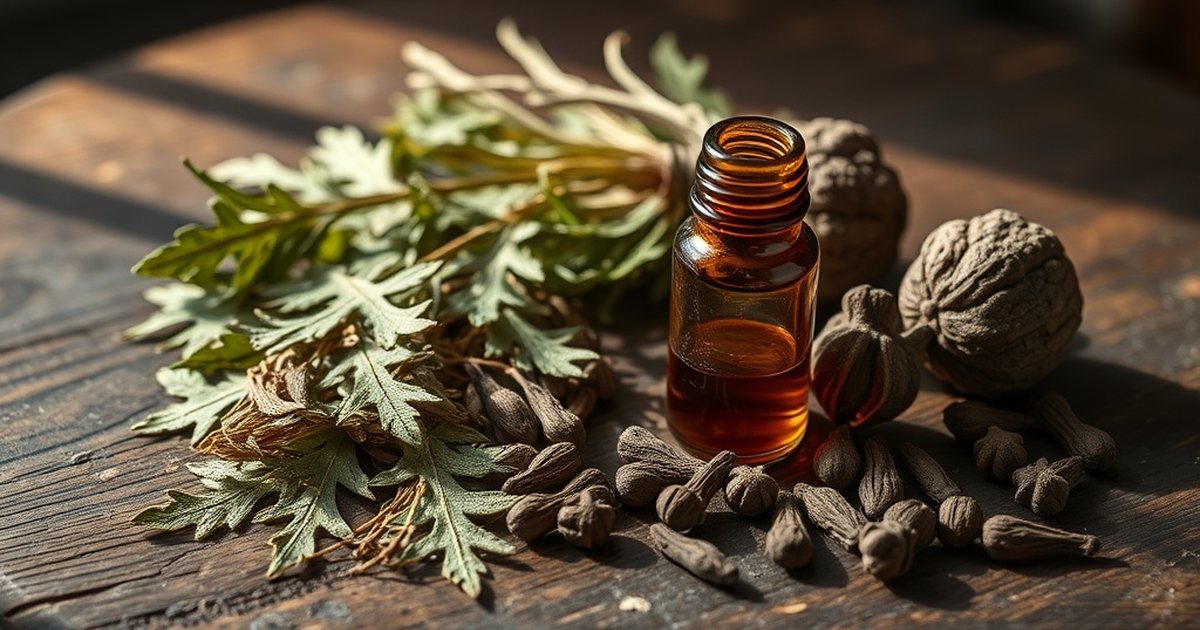
They’re traditionally paired because they’re thought to act on different life stages: wormwood and black walnut hull on adult organisms, and clove on eggs. Each contains distinct compounds, wormwood’s sesquiterpene lactones, black walnut’s juglone and tannins, and clove’s eugenol, that traditional herbalism associates with antiparasitic activity.
How long do parasite cleanse protocols usually last?
Most manufacturer protocols run 2 to 4 weeks, sometimes with a lower-dose ramp-up period at the start and an optional repeat cycle after a break. There’s no single standardized length; it varies by brand and formulation strength.
Is diatomaceous earth necessary in a parasite cleanse capsule?
It’s an optional addition some brands include as a binder, on the theory that its abrasive silica structure and mimosa pudica’s gel-forming seed help physically trap and eliminate material from the gut. It’s not part of the traditional core herbal trio and its inclusion varies by product.
Who should avoid wormwood-containing supplements?
Pregnant or nursing individuals, children, and anyone with a seizure disorder are commonly advised to avoid wormwood-containing products because of its thujone content, a compound with neurotoxic potential at high doses. Anyone on prescription medication should also check for interactions before use.
Can a parasite cleanse capsule diagnose or confirm a parasitic infection?
No. These products are not diagnostic tools. If you suspect an actual infection, a stool test or bloodwork through a healthcare provider is the appropriate next step, not an herbal protocol taken on suspicion alone.
What should I check on the label before buying one?
Milligram amounts for each herb (not just a blend total), the form of clove used (oil vs. powder), any standardization percentage for wormwood, and evidence of third-party testing for contaminants and identity verification.
References
- Soil-transmitted helminth infections. The Lancet (2018). PMID 28882382
These statements have not been evaluated by the Food and Drug Administration. This information is not intended to diagnose, treat, cure, or prevent any disease. Content is for informational purposes only and is not medical advice; consult a qualified healthcare provider before starting any supplement. As an Amazon Associate we earn from qualifying purchases.