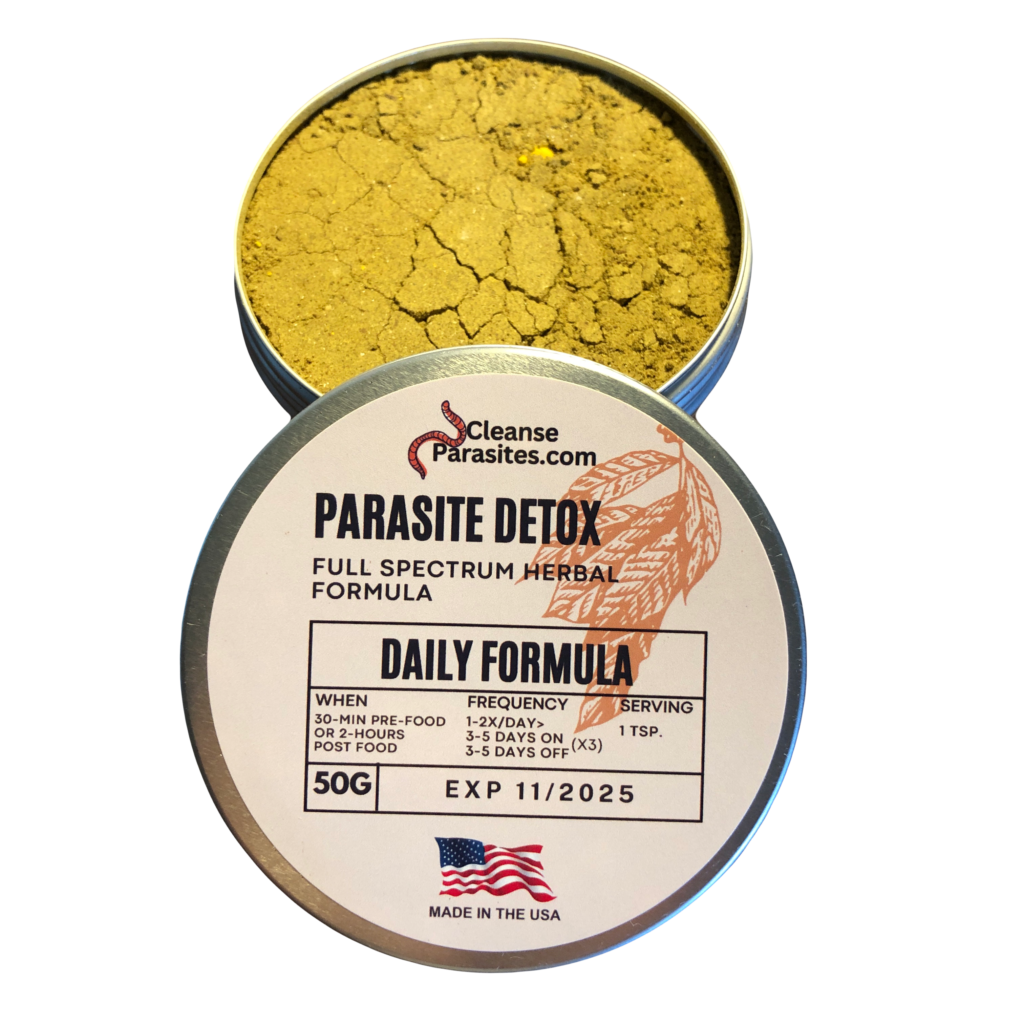
Black walnut hull, the green outer casing of the Juglans (walnut) fruit, is one of the three pillars of the classic parasite cleanse formula, alongside wormwood and clove. It shows up in tincture bottles, capsule blends, and folk remedies across cultures, usually with the claim that it kills intestinal parasites and cleanses the gut.
The reality is more nuanced. There is a genuine, long-documented tradition of using walnut hull and related plant parts medicinally, and some laboratory work has looked at antimicrobial and antiparasitic activity of walnut-derived compounds and extracts. But direct clinical evidence that black walnut hull clears a human parasitic infection is thin. This article lays out what is actually known, what is inferred, and where the gaps are.
Key Takeaways
- Black walnut hull has a genuine, well-documented history of traditional and ethnobotanical use, but that history is not the same as clinical proof of antiparasitic efficacy in humans [1][2].
- The most direct antiparasitic laboratory finding involves silver nanoparticles synthesized from walnut extract tested against Trichomonas vaginalis, a different chemical form than a hull tincture or capsule [3].
- Animal research shows some anticoccidial effect from a combined walnut peel and bitter apple extract in chickens, not black walnut hull alone in humans [4].
- Walnut’s naphthoquinone compound family (related to juglone and plumbagin) has documented bioactivity in other research contexts like cancer biology, but this is not evidence for parasite treatment [5].
- No cited study is a human clinical trial establishing that black walnut hull clears a diagnosed parasitic infection.
What Black Walnut Hull Is and Why It's in Cleanse Formulas
Black walnut (Juglans nigra) and its close relative the Persian/English walnut (Juglans regia) both belong to the genus Juglans, a group of trees with a long history of traditional medicinal use across Europe, Asia, and the Americas [2]. The hull is the fleshy green husk surrounding the walnut shell, distinct from the nut meat most people eat.
Traditional formulas pair black walnut hull with wormwood and clove because each is believed to target a different life stage of intestinal parasites, adult worms, eggs, and larvae. This three-part combination is a folk-herbalism convention rather than a protocol validated in controlled human trials, but the individual plants do have a documented ethnobotanical record worth examining on its own terms.

Traditional and Ethnobotanical Use
Walnut trees and their bark, leaves, and hulls appear repeatedly in European ethnobotanical surveys of folk medicine. A survey of traditional plant use in the Acquapendente district of central Italy documented walnut among the plants historically used by local populations for a range of remedies, reflecting the tree’s long-standing place in regional folk pharmacopoeia [1].
Beyond black walnut specifically, the bark of the related species Juglans mandshurica (Manchurian walnut), known in traditional Chinese medicine as Cortex Juglandis Mandshuricae, has an extensive documented history of use for gastrointestinal and inflammatory complaints, and a recent comprehensive review catalogs its phytochemistry and pharmacological research to date [6]. This body of traditional use is real and well-documented, but ethnobotanical record-keeping documents what a culture believed and used, not proof that the plant clears parasites in humans.
Laboratory Evidence: Antimicrobial and Antiparasitic Signals
The most direct antiparasitic laboratory evidence involving walnut extract does not involve black walnut hull consumed as a tincture, but rather a nanoparticle synthesis study. Researchers used Juglans regia (Persian walnut) extract to eco-synthesize silver nanoparticles, then tested these particles against Trichomonas vaginalis (a protozoan parasite), certain cancer cell lines, and several microbes, reporting antiparasitic, anticancer, and antimicrobial effects in vitro [3]. This demonstrates that walnut-derived compounds can play a role in antiparasitic nanoparticle chemistry under laboratory conditions, but a silver-nanoparticle formulation is chemically and pharmacologically distinct from a walnut hull tincture or capsule, and the findings do not transfer directly to oral supplement use.

A separate line of animal research looked at anticoccidial activity, testing an alcoholic extract combining Citrullus colocynthis (bitter apple) fruit and Juglans regia (walnut) peel in chickens experimentally infected with coccidia, a group of intestinal protozoan parasites common in poultry [4]. This study suggests walnut peel extract, in combination with another plant, showed some anticoccidial effect in an animal/veterinary model. Coccidia are not the parasites most human cleanse users are targeting, and results in poultry using a combination extract cannot be assumed to apply to humans or to walnut hull alone.
What About the Naphthoquinone Compounds in Walnut?
Walnut hull is well known chemically for containing naphthoquinone compounds, most notably juglone, and related quinone compounds are found across the Juglans genus and in relatives that produce plumbagin, a naphthoquinone with documented biological activity in cancer research. One study found that plumbagin inhibited prostate cancer development in a mouse model by targeting specific cellular signaling pathways (PKCe, Stat3) and neuroendocrine markers [5]. This citation is included here because it is part of the compound class walnut hull is chemically associated with, but the study is about cancer biology in mice, not parasites, and it should not be read as evidence for parasite cleansing. It illustrates that this chemical family has documented bioactivity worth studying, not that black walnut hull treats infections in people.
Overall, the pharmacology of Juglans-derived compounds, quinones, tannins, and phenolics, has legitimate research interest for antimicrobial and cytotoxic properties [2][6]. But bioactivity in isolated compound studies, animal models, or in vitro assays is several steps removed from proving a hull tincture or capsule clears a diagnosed parasitic infection in a human gut.
Where the Evidence Falls Short
No human clinical trials in the cited evidence test black walnut hull, alone or in a cleanse blend, against a lab-confirmed parasitic infection. The strongest antiparasitic data point involves nanoparticles synthesized using walnut extract, not the raw hull itself [3], and the anticoccidial data comes from an animal model using a walnut-peel-and-bitter-apple combination [4]. Ethnobotanical records confirm cultural and traditional use but are not a substitute for controlled efficacy data [1][6].

This gap matters practically: someone with a lab-confirmed parasitic infection (giardiasis, pinworms, or another diagnosed parasite) needs treatment with proven antiparasitic drugs, not a walnut hull tincture used in place of medical care. Where black walnut hull may have a reasonable place is as a traditional, food-adjacent botanical taken as part of a broader wellness routine, with realistic expectations about what the evidence does and does not support.
🛒 Where to Buy Parasite Cleanse Protocol
- CleanseParasites Herbal Parasite Cleanse Powder Editor’s Pick
The flagship product for this hub’s own protocol content — wormwood, black walnut hull, cloves, and more. - CleanseParasites Full Detox Bundle (all products) Editor’s Pick
The complete 11-week protocol bundle: parasite cleanse, metals binder, superfood, and more in one order. - Global Healing Paratrex I
oil-based liquid, 1 ml, 2x daily — Current MicroSomal formula is a pumpkin-seed and pomegranate-seed oil blend with essential oils; it no longer contains wormwood, clove or black walnut - Amazing Herbs Premium Black Walnut-Wormwood Complex
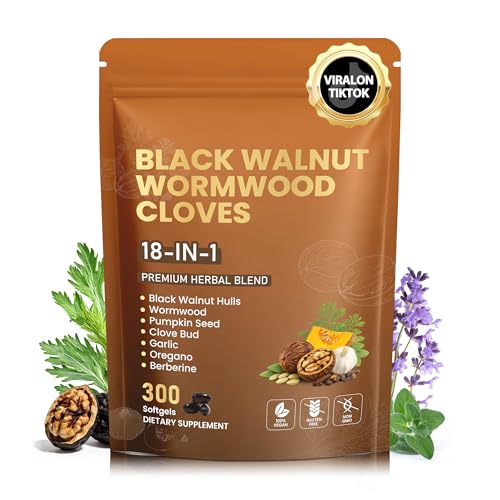
capsules, 2 capsules daily — Budget-friendly combination capsule pairing black walnut hull and wormwood, a common starter product - NOW Foods Wormwood
capsules, 1 capsule, 2x daily — Single-herb wormwood capsule from a widely trusted supplement manufacturer, good for readers wanting to build their own stack - Herb Pharm Black Walnut
liquid, 0.5-1 mL, 3x daily — Alcohol-based liquid extract from a respected small-batch herbal manufacturer, common alternative to capsule form
As an Amazon Associate we earn from qualifying purchases. Quality varies widely — always choose a product with a published third-party test (COA) before buying.
A Note on the Evidence
This article draws on ethnobotanical surveys, in vitro and animal studies, and compound-class research, not human clinical trials of black walnut hull against confirmed parasitic infections, so the evidence base is preliminary and indirect. These statements have not been evaluated by the FDA; this is not medical advice, and anyone with a suspected parasitic infection, or who is pregnant, nursing, on medication, or considering this for a child, should consult a healthcare provider before use.
Frequently Asked Questions
Does black walnut hull kill parasites in humans?
There is no human clinical trial in the current evidence base showing black walnut hull clears a diagnosed parasitic infection. Laboratory and animal studies show some antiparasitic and antimicrobial signals from walnut-derived compounds and extracts [3][4], but these do not confirm efficacy for a hull tincture or capsule taken by a person.
What is black walnut hull traditionally used for?
Walnut, including its hull, bark, and leaves, has a long ethnobotanical record of traditional use across regions including central Italy and East Asia, with uses ranging from antiparasitic treatment of cheeses in Italy to treatment of dysentery and bacterial infections in East Asia [1][6]. Traditional use reflects cultural practice, not a validated clinical indication.
Is black walnut hull the same as the compound juglone?
Black walnut hull contains juglone and related naphthoquinone compounds, but the hull itself is a whole-plant material with many additional compounds, not a purified juglone extract. Research on related quinones like plumbagin shows biological activity in other contexts, such as cancer research in mice, which is a separate research area from parasite treatment [5].

Can black walnut hull replace medical treatment for a parasitic infection?
No. If a parasitic infection is lab-confirmed, evidence-based antiparasitic medication prescribed by a healthcare provider is the appropriate treatment. Herbal cleanse formulas including black walnut hull have not been shown in the cited evidence to reliably clear confirmed infections.
Is black walnut hull safe to take?
This has not been evaluated by the FDA and is not intended to diagnose, treat, cure, or prevent any disease. Anyone pregnant or nursing, children, and anyone on medication should talk to a healthcare provider before starting a black walnut hull supplement or any parasite cleanse product.
Why is black walnut hull paired with wormwood and clove in cleanse products?
This three-herb combination is a long-standing convention in herbal cleanse formulation, with each herb traditionally believed to target parasites at a different life stage. This is a formulation tradition rather than a combination validated together in the clinical evidence cited here.
References
- Guarrera PM et al. Ethnobotanical and ethnomedicinal uses of plants in the district of Acquapendente (Latium, Central Italy). Journal of ethnopharmacology (2005). PMID 15619562
- Leslie CA et al. Walnut (Juglans). Methods in molecular biology (Clifton, N.J.) (2015). PMID 25416262
- Şimşek A et al. Eco-friendly Synthesis and Characterization of Silver Nanoparticles using Juglans regia Extract and their Anti-Trichomonas vaginalis, Anticancer, and Antimicrobial Effects. Anti-cancer agents in medicinal chemistry (2023). PMID 36892119
- Habibi H et al. The anticoccidial effect of alcoholic extract of Citrullus colocynthis fruit and Juglans regia peel in experimentally infected domestic chicken. Research in veterinary science (2023). PMID 36764047
- Hafeez BB et al. Plumbagin inhibits prostate cancer development in TRAMP mice via targeting PKCε, Stat3 and neuroendocrine markers. Carcinogenesis (2012). PMID 22976928
- Li F et al. Traditional uses, phytochemistry, pharmacology and clinical applications of Cortex Juglandis Mandshuricae: A comprehensive review. Journal of ethnopharmacology (2022). PMID 34864127
These statements have not been evaluated by the Food and Drug Administration. This information is not intended to diagnose, treat, cure, or prevent any disease. Content is for informational purposes only and is not medical advice; consult a qualified healthcare provider before starting any supplement. As an Amazon Associate we earn from qualifying purchases.