Diatomaceous earth (DE) is the fossilized, silica-rich remains of tiny aquatic algae called diatoms, ground into a fine powder. The food-grade version is processed to strip out most crystalline silica and heavy metal contamination, distinguishing it from the amorphous or pool-grade DE used in filtration and pest control, which is not meant to be ingested. People use food-grade DE as a mechanical binder in some parasite cleanse protocols, pairing it with antiparasitic herbs on the theory that its abrasive, porous particles can help trap and carry material through the gut.
This guide is about how to evaluate and choose a food-grade DE product, not a claim that DE cures or treats any condition. No human clinical trial has tested food-grade DE against a confirmed parasitic infection. Small human trials of oral DE exist for unrelated endpoints[1], but none of them speaks to whether it does anything to parasites, and this guide does not treat it as though they do. What follows is a straightforward look at sourcing, purity testing, and practical buying criteria, plus honest caveats about the limits of what’s known.
Key Takeaways
- Food-grade DE is a purity and processing designation, not a proof of effect, always confirm it’s explicitly labeled food or FCC grade, never pool-grade.
- The single best due-diligence step is requesting a current, batch-specific Certificate of Analysis for heavy metals and crystalline silica content.
- DE’s role in cleanse protocols is proposed as a mechanical binder, not an antiparasitic agent, evaluate it and any paired herbs separately.
- Avoid inhaling loose powder; mix into liquid and handle away from the face.
- Treat any cure, treat, or prevent claim on packaging as a red flag, these statements have not been evaluated by the FDA.
What Food-Grade DE Actually Is
Diatomaceous earth is composed mostly of amorphous silicon dioxide, the fossilized cell walls of diatoms deposited in freshwater beds over millions of years. ‘Food-grade’ is a processing and purity designation, not a scientific claim about safety or effect. It typically means the crystalline silica content (a respiratory hazard when inhaled in dust form)[2] has been kept low and the product has been screened for arsenic, lead, and other heavy metals that can occur naturally in mined deposits.
It is important to separate the mechanical description of DE (a fine, abrasive, highly porous powder) from any claim about what it does inside the digestive tract. The proposed mechanism in cleanse protocols is physical, not pharmacological, the idea that its texture and surface area can adsorb material and add bulk. That is a plausible-sounding mechanism, but plausibility is not proof, and we have no clinical citations to offer here confirming it works this way in the human gut.
Why Sourcing and Testing Matter More Than Brand Names
Because DE is a mined mineral product, quality varies a lot by deposit and by how carefully a company screens its supply. The two things that matter most when comparing products are: (1) whether the label explicitly states ‘food grade’ or ‘food chemical codex (FCC) grade,’ and (2) whether the company publishes or provides on request a current Certificate of Analysis (COA) showing heavy metal and crystalline silica testing from an independent lab.

A COA is the single best piece of due diligence available to a buyer. Without one, you’re relying entirely on a label claim with no way to verify it. If a brand cannot produce a recent, batch-specific COA, that is a meaningful red flag regardless of how the product is marketed.
Reading the Label: What 'Food Grade' Should and Shouldn't Promise
‘Food grade’ tells you about processing intent, not about efficacy for any particular use. It does not mean a product is regulated as a drug, tested for any health outcome, or approved to treat, cure, or prevent disease, because it is not. Statements to that effect on packaging or marketing should be treated skeptically.
Practical label checklist: single-ingredient (no fillers or anticaking agents you can’t identify), clear sourcing (freshwater deposit named or at least described), stated crystalline silica percentage (lower is generally preferred, often under 1-2%), and a lot number you can cross-reference against a COA. Avoid any product whose only grade indication is a generic ‘natural’ or ‘pure’ claim without supporting documentation.
Particle Size, Form, and Packaging Considerations
DE is sold as loose powder or in capsules. Loose powder is more versatile for dose adjustment but generates fine dust that is uncomfortable to inhale and should be handled carefully[3], mixed into liquid rather than scooped dry near the face. Capsules avoid the dust handling problem but limit dose flexibility and cost more per gram.

Packaging matters for a hygroscopic mineral powder: resealable, moisture-resistant containers (foil-lined pouches or solid plastic tubs with a good seal) keep the product from clumping or picking up contaminants over time better than thin bags.
How DE Fits Into a Broader Cleanse Protocol
In practice, DE is usually positioned as a binder alongside antiparasitic herbs like wormwood, black walnut hull, and clove, or other binders like activated charcoal or mimosa pudica seed, rather than as a standalone antiparasitic agent. Its role in these stacks is proposed to be mechanical trapping and bulk-adding, not disrupting parasite membranes or reproduction the way the herbal components are theorized to.
Anyone building or buying into a multi-ingredient protocol should evaluate each component’s sourcing and purity separately. A well-tested DE product paired with a poorly sourced herbal blend (or vice versa) doesn’t average out to a trustworthy protocol; both ends need scrutiny.
Red Flags When Shopping
Walk away from products that make disease treatment or cure claims, since food-grade DE has not been evaluated by the FDA for any therapeutic use and such claims are a regulatory and quality red flag in themselves. Also be wary of DE sold without any grade specification at all (pool-grade and food-grade are processed very differently and pool-grade is not safe to ingest), products with no batch/lot traceability, and sellers unwilling to provide a COA on request.
🛒 Where to Buy Parasite Cleanse Protocol

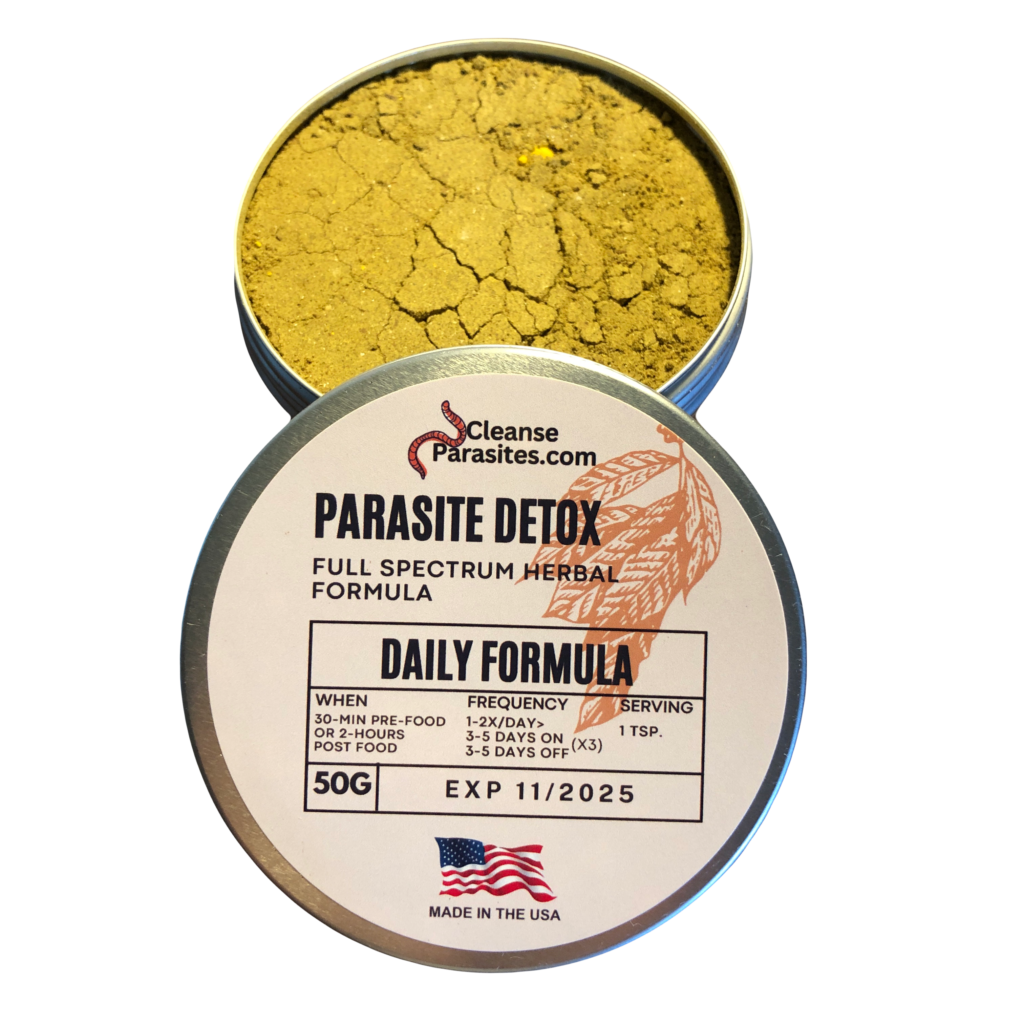
- CleanseParasites Herbal Parasite Cleanse Powder Editor’s Pick
The flagship product for this hub’s own protocol content — wormwood, black walnut hull, cloves, and more. - CleanseParasites Full Detox Bundle (all products) Editor’s Pick
The complete 11-week protocol bundle: parasite cleanse, metals binder, superfood, and more in one order. - Global Healing Paratrex I
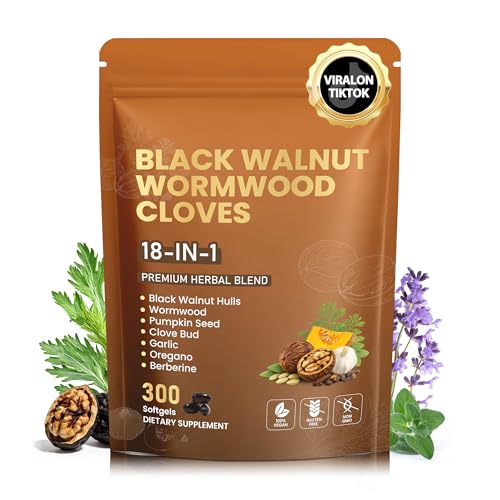
oil-based liquid, 1 ml, 2x daily — Current MicroSomal formula is a pumpkin-seed and pomegranate-seed oil blend with essential oils; it no longer contains wormwood, clove or black walnut - Amazing Herbs Premium Black Walnut-Wormwood Complex
capsules, 2 capsules daily — Budget-friendly combination capsule pairing black walnut hull and wormwood, a common starter product - NOW Foods Wormwood
capsules, 1 capsule, 2x daily — Single-herb wormwood capsule from a widely trusted supplement manufacturer, good for readers wanting to build their own stack - Herb Pharm Black Walnut
liquid, 0.5-1 mL, 3x daily — Alcohol-based liquid extract from a respected small-batch herbal manufacturer, common alternative to capsule form
As an Amazon Associate we earn from qualifying purchases. Quality varies widely — always choose a product with a published third-party test (COA) before buying.
A Note on the Evidence
This article does not cite peer-reviewed research; all claims here are limited to sourcing, purity, and buying practicality, not efficacy. These statements have not been evaluated by the FDA, food-grade DE is not intended to diagnose, treat, cure, or prevent any disease, and it is not a substitute for lab-confirmed diagnosis or medical treatment of a parasitic infection; consult a healthcare provider before use, especially if pregnant, nursing, on medication, or considering use for a child.
Frequently Asked Questions
Is food-grade diatomaceous earth safe to eat?
Food-grade DE is processed to reduce crystalline silica and heavy metal content specifically so it can be ingested, unlike pool-grade or industrial DE. That said, safety depends heavily on sourcing and testing quality, which is why an independent Certificate of Analysis matters more than the ‘food grade’ label alone.
Does diatomaceous earth kill parasites?
The proposed mechanism for DE in cleanse protocols is mechanical, trapping and adding bulk, rather than a direct antiparasitic action like the herbal components in a typical protocol. We are not citing any clinical evidence here, and no such evidence should be assumed.
What's the difference between food-grade and pool-grade DE?
Pool-grade DE is heat-treated (calcined), which concentrates crystalline silica to levels that are hazardous if inhaled or ingested. Food-grade DE is processed to keep crystalline silica low, but the two should never be substituted for each other.
How do I verify a DE product's quality before buying?
Request or look for a recent, batch-specific Certificate of Analysis showing heavy metal and crystalline silica testing from an independent lab. A specific lot number on the label that matches the COA is a good sign of real traceability.
Should I take diatomaceous earth if I'm pregnant or on medication?
Talk to a healthcare provider first. Parasite cleanse herbs and binders like DE are not a substitute for lab-confirmed diagnosis or medical treatment, and pregnant or nursing individuals, children, and anyone on medication should get personalized guidance before starting any such protocol.
Can diatomaceous earth interact with medications?
Because DE works mechanically as an abrasive, porous binder, there’s a plausible concern about it affecting absorption of other things taken around the same time, including medications. This is a reason to space doses apart and to check with a healthcare provider or pharmacist rather than assume it’s inert.
References
- Wachter H et al. Diatomaceous earth lowers blood cholesterol concentrations. European journal of medical research (1998). PMID 9533930
- Checkoway H et al. Crystalline silica exposure, radiological silicosis, and lung cancer mortality in diatomaceous earth industry workers. Thorax (1999). PMID 10343633
- Park R et al. Exposure to crystalline silica, silicosis, and lung disease other than cancer in diatomaceous earth industry workers: a quantitative risk assessment. Occupational and environmental medicine (2002). PMID 11836467
These statements have not been evaluated by the Food and Drug Administration. This information is not intended to diagnose, treat, cure, or prevent any disease. Content is for informational purposes only and is not medical advice; consult a qualified healthcare provider before starting any supplement. As an Amazon Associate we earn from qualifying purchases.