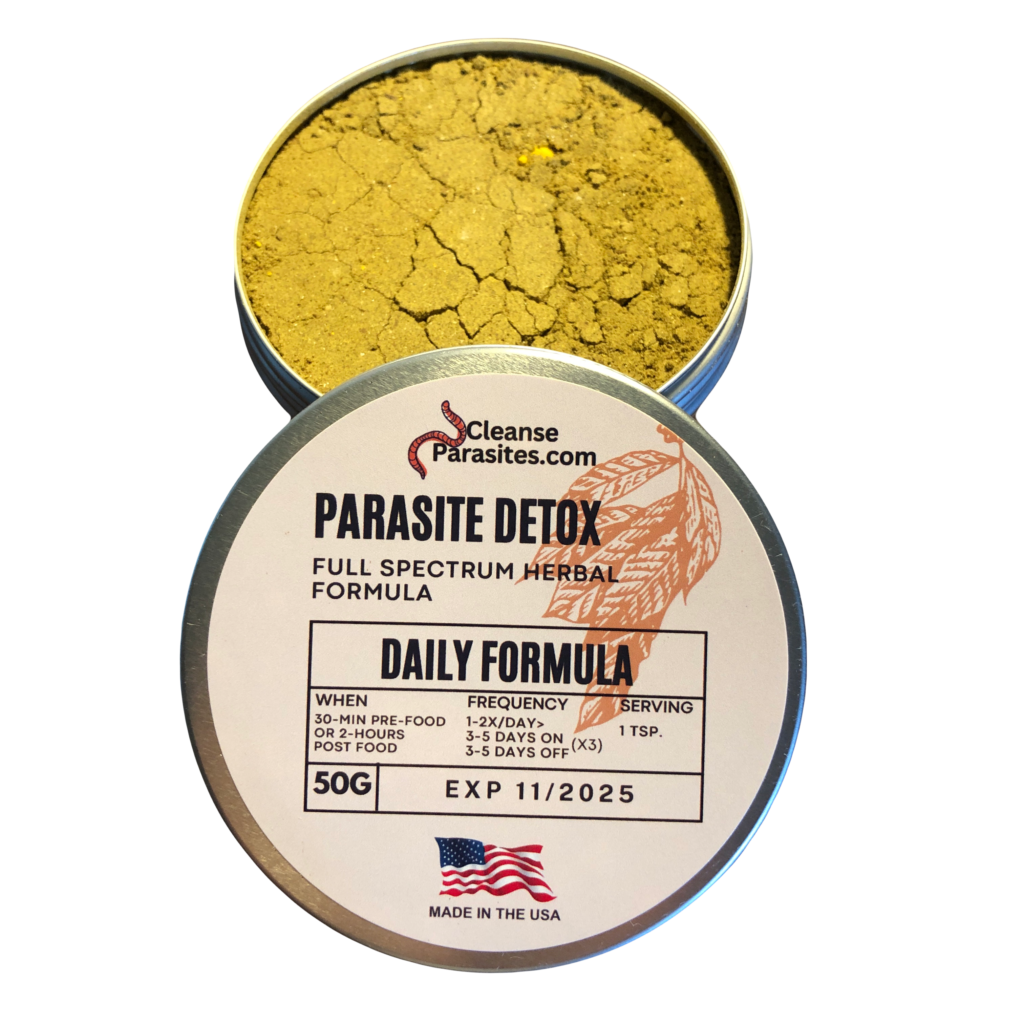
Neem, the tree known botanically as Azadirachta indica, has been used in South Asian traditional medicine for centuries as a general-purpose remedy, including for intestinal worms and skin parasites. Its leaves, bark, oil, and seed extracts show up in folk formulations across India, Africa, and Southeast Asia, often alongside other bitter herbs.
Modern research on neem’s antiparasitic properties is real but scattered: most of it comes from veterinary and agricultural studies (deworming livestock, treating fish parasites, protecting crops from nematodes) rather than controlled human trials. This article lays out what’s actually been studied, what it suggests about neem’s mechanisms, and where the evidence stops short of supporting specific health claims in people.
Key Takeaways
- Neem has centuries of traditional use for parasites and general infections, driven largely by its intensely bitter, resin-rich compounds.
- The research on antiparasitic activity comes mostly from veterinary studies in cattle, sheep, poultry, and fish rather than human clinical trials, and results are mixed, with one sheep trial of neem leaves finding no significant control of nematodes [1] [2] [3].
- Neem’s limonoid compounds, especially azadirachtin, appear to disrupt parasite development and show broad antimicrobial activity [4].
- Some in vitro and animal research has extended to protozoal parasites like Leishmania and interest in malaria treatment [5] [6].
- Toxicology data shows neem’s safety depends on plant part, extract, and dose, with oil forms carrying more risk than leaf preparations [7].
Traditional Use and Why Neem Was Considered Antiparasitic
In Ayurvedic and folk medicine traditions, neem leaves and bark have long been chewed, brewed, or applied topically for a wide range of purposes, including skin conditions, fever, and intestinal complaints associated with worms. The tree’s intensely bitter taste was itself often taken as a marker of medicinal potency in these traditions, a common heuristic in herbal medicine systems even though bitterness alone says nothing about antiparasitic activity.
This traditional reputation is what has driven decades of laboratory and animal research into whether neem’s bioactive compounds, primarily limonoids like azadirachtin and nimbin, actually have measurable effects against parasites. That body of research is substantial in animals and in vitro systems, though it has not translated into large human clinical trials for parasitic infections.

What Laboratory and Animal Research Shows
The strongest evidence for neem’s antiparasitic activity comes from veterinary parasitology. Crude neem leaf powder reduced fecal egg counts in cattle with strongylosis (a nematode infection) in a controlled study [1]. In sheep, however, dried neem leaves fed over 18 months did not control gastrointestinal worms any better than no treatment [2]. In laboratory testing against liver fluke (Fasciola species), betel nut extract was active but neem leaf extract was ineffective at every concentration tested [8].
In vitro work has looked at neem’s effects on different life stages of parasites. One study found neem and cassava extracts affected pre-parasitic stages of Teladorsagia circumcincta, a sheep gastrointestinal nematode, in both drug-susceptible and drug-resistant strains [9]. Neem leaf extract also showed nematicidal activity tied to enhanced enzyme activity in one plant-pest-focused study [10], and ethanol and methanol leaf extracts showed antiparasitic effects against eggs and copepodid stages of Argulus japonicus, a fish parasite, in vitro [11].
Poultry research has looked at coccidiosis, a major parasitic disease in birds: a neem ethosomal nanovesicle formulation showed anticoccidial potential in broiler chicks [3]. Outside the classic definition of parasites, a 2026 study even examined neem oil’s effects on scorpion venom production, an unusual application that illustrates how broadly researchers have tested this plant’s bioactivity [12].
Neem and Protozoal Parasites: The Leishmania Research
Beyond worms, neem has also been studied against protozoal parasites. One study evaluated neem leaf extract in Leishmania donovani infection (the parasite responsible for visceral leishmaniasis) and reported anti-leishmanial activity along with immune-modulating effects in both in vitro and in vivo models [5].

Separately, neem has been discussed as a candidate in malaria research. A 2024 paper reviewing alternative first-line malaria treatments included neem among plants of interest, though this reflects exploratory interest rather than an established treatment protocol [6].
Proposed Mechanisms: Limonoids and Broad Antimicrobial Action
Neem’s bioactivity is generally attributed to a class of compounds called limonoids, most notably azadirachtin, along with nimbin and related triterpenoids concentrated in the leaves, bark, and seed oil. In insects and some parasites, azadirachtin is thought to disrupt molting hormones and reproduction, which is part of why neem has long been used as a natural pesticide in agriculture as well as a traditional antiparasitic.
A broader review of neem’s antimicrobial potential found activity against a range of bacteria, fungi, and other microorganisms, suggesting its bioactive compounds have multiple mechanisms of action rather than a single antiparasitic pathway [4]. This general antimicrobial profile is consistent with neem’s traditional use as an all-purpose remedy, but it also means the specific mechanism against any one parasite species may vary.
What Hasn't Been Established
Almost all of the antiparasitic research above was conducted in livestock, poultry, fish, or laboratory (in vitro) settings, not in human clinical trials for intestinal parasites. Effective doses, extract concentrations, and delivery methods (leaf powder vs. oil vs. nanovesicle formulations) varied significantly between studies, and results from one species or parasite do not necessarily transfer to another.

There is no clinical evidence establishing neem as an effective stand-alone treatment for human intestinal parasite infections. Anyone relying on neem for a suspected or confirmed parasitic infection in place of diagnosed medical treatment is working from animal and lab data, not human outcome data.
Safety Considerations
Neem’s toxicology has been studied directly: a foundational review examined the safety profile of Azadirachta indica across its various preparations and found that toxicity depends heavily on the part of the plant used, the extraction method, and the dose [7]. Neem oil in particular has a narrower safety margin than leaf preparations and has been linked to toxicity in young children when ingested in concentrated form.
Because neem affects reproductive and hormonal pathways in animal studies, it is not considered appropriate for pregnant or nursing individuals. Anyone on medication, especially for blood sugar, blood pressure, or immune conditions, should talk to a healthcare provider before using concentrated neem preparations, given its broad biological activity.
🛒 Where to Buy Parasite Cleanse Protocol
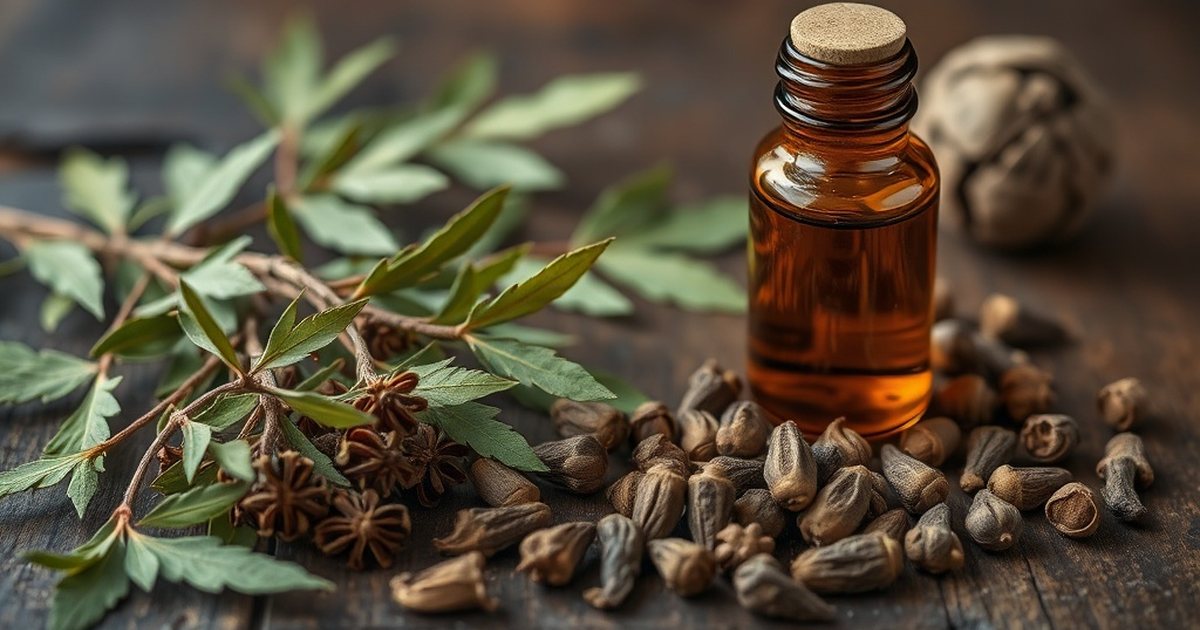
- CleanseParasites Herbal Parasite Cleanse Powder Editor’s Pick
The flagship product for this hub’s own protocol content — wormwood, black walnut hull, cloves, and more. - CleanseParasites Full Detox Bundle (all products) Editor’s Pick
The complete 11-week protocol bundle: parasite cleanse, metals binder, superfood, and more in one order. - Global Healing Paratrex I
oil-based liquid, 1 ml, 2x daily — Current MicroSomal formula is a pumpkin-seed and pomegranate-seed oil blend with essential oils; it no longer contains wormwood, clove or black walnut - Amazing Herbs Premium Black Walnut-Wormwood Complex
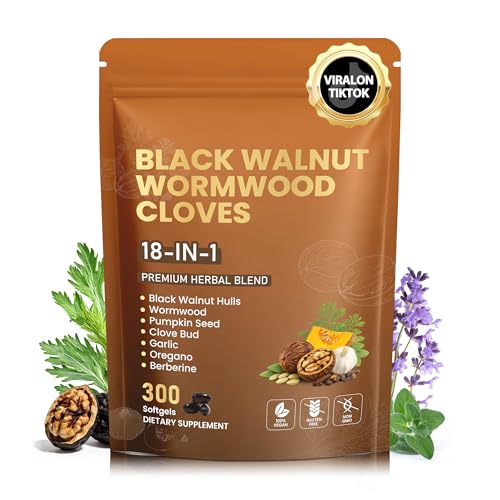
capsules, 2 capsules daily — Budget-friendly combination capsule pairing black walnut hull and wormwood, a common starter product - NOW Foods Wormwood
capsules, 1 capsule, 2x daily — Single-herb wormwood capsule from a widely trusted supplement manufacturer, good for readers wanting to build their own stack - Herb Pharm Black Walnut
liquid, 0.5-1 mL, 3x daily — Alcohol-based liquid extract from a respected small-batch herbal manufacturer, common alternative to capsule form
As an Amazon Associate we earn from qualifying purchases. Quality varies widely — always choose a product with a published third-party test (COA) before buying.
A Note on the Evidence
This article is informational, not medical advice, and these statements have not been evaluated by the FDA; neem preparations are not intended to diagnose, treat, cure, or prevent any disease. The antiparasitic evidence here is largely from animal, veterinary, and in vitro research rather than human clinical trials, so anyone with a suspected parasitic infection should get it lab-confirmed and treated by a healthcare provider, especially if pregnant, nursing, caring for a child, or taking other medications.
Frequently Asked Questions
Has neem been proven to kill parasites in humans?
Not through clinical trials. Most antiparasitic evidence comes from animal studies in cattle, sheep, and poultry, along with in vitro lab work, not controlled human trials for intestinal parasites [1] [2].
What part of the neem plant has been studied for antiparasitic effects?
Research has looked at leaves, bark, oil, and seed-derived extracts, with leaf powder and leaf extracts most commonly studied for anthelmintic activity in livestock [1] [9].
Does neem work against tapeworms or roundworms specifically?
Studies have tested neem against nematodes (roundworms) in cattle and sheep and against liver flukes, a type of flatworm, in laboratory settings [1] [8]. No human trial data exists for these specific parasite types.

Is neem oil safe to take internally for parasite cleansing?
Neem oil carries a narrower safety margin than leaf preparations and has documented toxicity risk in concentrated or internal use, particularly in children [7]. This is not medical advice; talk to a healthcare provider before internal use.
Can neem be used during pregnancy for parasite treatment?
No. Neem’s documented effects on reproductive and hormonal pathways in animal studies mean it is not considered appropriate for pregnant or nursing individuals without medical guidance.
Is neem being studied for anything beyond parasites?
Yes. Research has evaluated neem’s broader antimicrobial activity against bacteria and fungi [4], and it has been mentioned in exploratory malaria treatment research [6].
References
- Jamra N et al. Anthelmintic efficacy of crude neem (Azadirachta indica) leaf powder against bovine strongylosis. Journal of parasitic diseases : official organ of the Indian Society for Parasitology (2015). PMID 26688654
- Chagas AC et al. Anthelmintic efficacy of neem (Azadirachta indica A. Juss) and the homeopathic product Fator Vermes in Morada Nova sheep. Veterinary parasitology (2008). PMID 18022188
- Algammal AA et al. Anticoccidial potentials of Azadirachta indica ethosomal nanovesicle in broiler chicks. Veterinary parasitology (2024). PMID 39079237
- Wylie MR et al. The Antimicrobial Potential of the Neem Tree Azadirachta indica. Frontiers in pharmacology (2022). PMID 35712721
- Dayakar A et al. In vitro and in vivo evaluation of anti-leishmanial and immunomodulatory activity of Neem leaf extract in Leishmania donovani infection. Experimental parasitology (2015). PMID 25747203
- Maafoh C et al. Alternative first-line malaria treatment. Annals of African medicine (2024). PMID 38358164
- Ali BH et al. Toxicology of Azadirachta indica. Journal of ethnopharmacology (1994). PMID 8046948
- Yamson EC et al. Anthelmintic effect of betel nut (Areca catechu) and neem (Azadirachta indica) extract against liver fluke (Fasciola spp.). Journal of advanced veterinary and animal research (2019). PMID 31453169
- Al-Rofaai A et al. In vitro activity of neem (Azadirachta indica) and cassava (Manihot esculenta) on three pre-parasitic stages of susceptible and resistant strains of Teladorsagia (Ostertagia) circumcincta. Veterinary parasitology (2012). PMID 22455724
- Nile AS et al. Nematicidal potential and specific enzyme activity enhancement potential of neem (Azadirachta indica A. Juss.) aerial parts. Environmental science and pollution research international (2018). PMID 29177786
- Kumari P et al. Antiparasitic potentiality of ethanol and methanol extracts of Azadirachta indica leaf for eggs and copepodid stage of Argulus japonicus: in vitro study. Journal of parasitic diseases : official organ of the Indian Society for Parasitology (2021). PMID 34475659
- Planas J et al. Efficacy of neem oil (Azadirachta indica) as an antiparasitic treatment for scorpions (Androctonus bicolor) and its impact on venom production. Veterinary parasitology (2026). PMID 41903410
These statements have not been evaluated by the Food and Drug Administration. This information is not intended to diagnose, treat, cure, or prevent any disease. Content is for informational purposes only and is not medical advice; consult a qualified healthcare provider before starting any supplement. As an Amazon Associate we earn from qualifying purchases.