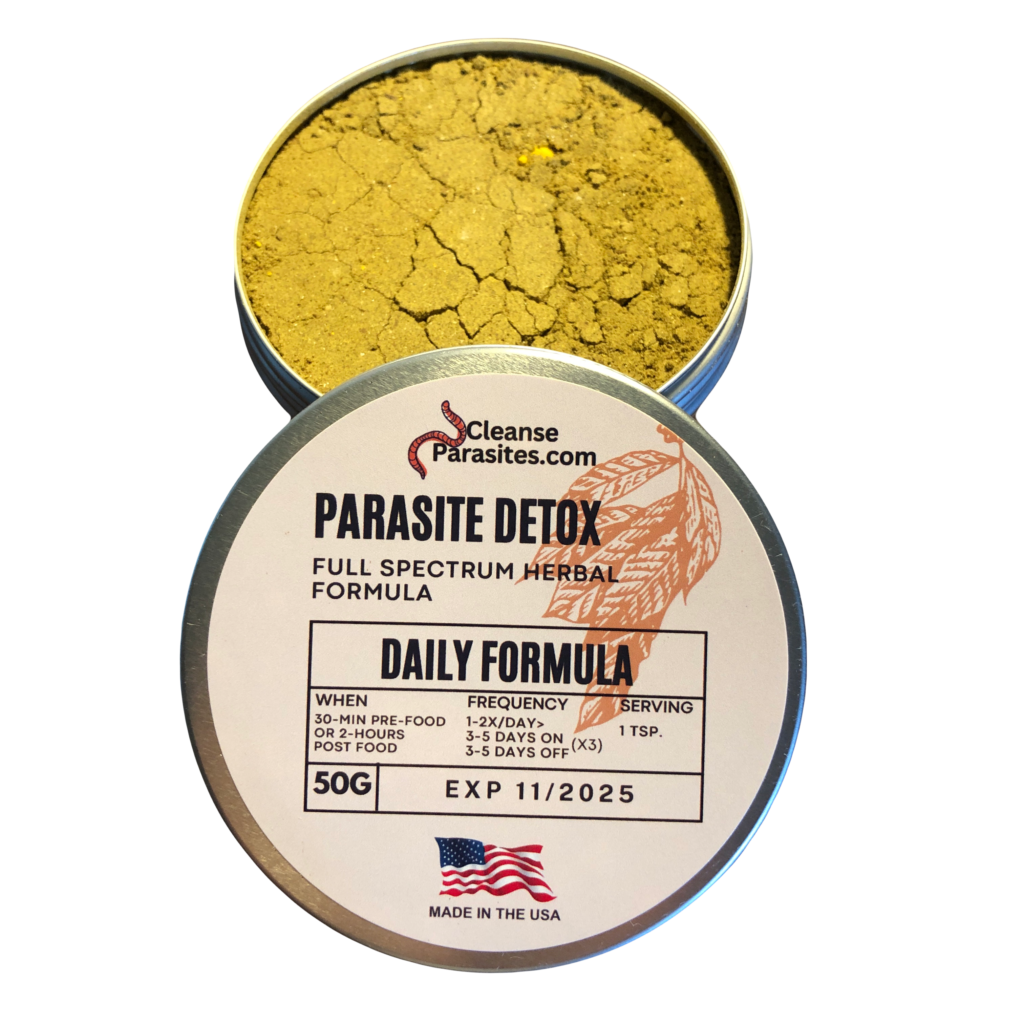
Parasite cleanse protocols often rely on a core trio of botanicals—wormwood (Artemisia absinthium), black walnut hull (Juglans nigra), and clove (Syzygium aromaticum)—sometimes paired with binders such as diatomaceous earth or mimosa pudica seed. The quality of these herbs can vary significantly depending on whether they are certified organic, wildcrafted (wild-harvested), or conventionally grown, yet direct comparative studies on pesticide residue and phytochemical potency across these sourcing methods for these specific herbs are limited in the published literature.
This article reviews the general principles that differentiate organic and wildcrafted sourcing, how growing conditions and harvest practices may influence contaminant profiles and active constituent levels, and what consumers and practitioners should look for when selecting raw materials for a time-boxed parasite cleanse regimen. As always, these herbs are not a substitute for lab-confirmed diagnosis or medical treatment, and anyone pregnant, nursing, on medication, or considering use for a child should consult a qualified healthcare provider first.
Key Takeaways
- Certified organic and wildcrafted are sourcing descriptors, not automatic purity guarantees; both require lot-specific analytical verification.
- Pesticide residue is generally lower in certified organic crops, but wildcrafted material can be equally clean if harvested from pristine areas and tested.
- Phytochemical potency depends on genetics, environmental stress, harvest timing, and post-harvest handling—not solely on organic vs wildcrafted status.
- Heavy metals and microbial contamination are independent risks that must be tested for in every batch regardless of sourcing claim.
- Species authentication and marker compound quantification are the most reliable quality indicators for wormwood, black walnut hull, and clove.
Defining Organic Certification and Wildcrafting Standards
Certified organic herbs are grown under regulatory frameworks (such as USDA NOP in the United States or EU Organic in Europe) that prohibit most synthetic pesticides, herbicides, and fertilizers, require soil-building practices, and mandate third-party audits of the entire chain from seed to finished product. Wildcrafted (or wild-harvested) herbs are collected from their native, non-cultivated habitats; while they are not grown with agricultural inputs, they are not automatically free of environmental contaminants such as heavy metals, industrial runoff, or pesticide drift from neighboring lands. Reputable wildcrafting operations follow Good Collection Practices (GCP) and often conduct their own contaminant testing, but there is no single global certification that guarantees wildcrafted purity.
Pesticide Residue Profiles: What the Data Generally Show
Broad surveys of botanical dietary ingredients consistently find that certified organic crops have lower detectable synthetic pesticide residues than conventionally grown counterparts. For wildcrafted material, residue levels depend heavily on proximity to agriculture, industry, and roadways; some wildcrafted lots test cleaner than conventional crops, while others show detectable environmental contaminants. Because parasite cleanse herbs like wormwood, black walnut hull, and clove are often sourced from multiple geographies, batch-specific certificates of analysis (CoAs) that screen for a wide pesticide panel (including glyphosate, organophosphates, pyrethroids, and neonicotinoids) are the most reliable way to verify residue status regardless of sourcing claim.

Phytochemical Potency: Growing Conditions and Harvest Timing
The antiparasitic activity attributed to these herbs is linked to specific secondary metabolites: thujone and sesquiterpene lactones in wormwood, juglone and tannins in black walnut hull, and eugenol in clove. Research on medicinal plants broadly demonstrates that environmental stressors—UV exposure, water availability, soil mineralization, and herbivore pressure—can upregulate these defensive compounds. Wildcrafted plants, growing under natural selective pressures, may express higher or more diverse phytochemical profiles than cultivated ones, but this is not universal; cultivated organic crops managed for optimal secondary metabolite production (through controlled stress, harvest at peak maturity, and proper post-harvest drying) can match or exceed wild potency. The critical variables are species authentication, plant part used, harvest window, and drying/storage conditions—not the sourcing label alone.
Heavy Metals and Microbial Contamination
Both organic and wildcrafted herbs can accumulate heavy metals (lead, arsenic, cadmium, mercury) from soil, water, and air. Wildcrafted roots and barks harvested near mining, industrial zones, or high-traffic roads carry elevated risk. Organic certification does not set heavy metal limits; those are addressed by separate pharmacopeial or industry standards (e.g., USP <2232>, AHPA guidance). Microbial load (total aerobic count, yeast/mold, coliforms, Salmonella, E. coli) is influenced by harvest sanitation, drying speed, and storage humidity. Irradiation or steam sterilization may be used on both organic and wildcrafted material to meet microbial specs; consumers seeking non-irradiated product should verify the kill-step method on the CoA.
Traceability, Adulteration, and Species Authentication
Adulteration—substitution with cheaper look-alike species or exhaustion of active material—is a documented risk in botanical supply chains. Wormwood can be confused with other Artemisia species; black walnut hull may be stretched with leaf or shell material; clove bud oil is sometimes spiked with eugenol from other sources. Certified organic supply chains often have tighter chain-of-custody documentation, but well-managed wildcrafting operations with botanist-verified harvest records and voucher specimens provide equivalent traceability. The gold standard for both is third-party identity testing using HPTLC, HPLC, or DNA barcoding, reported on a lot-specific CoA.

Practical Selection Criteria for Parasite Cleanse Formulas
When choosing raw herbs or finished products for a parasite cleanse protocol, prioritize: (1) lot-specific CoAs covering pesticide multi-residue screens, heavy metals, microbial limits, and marker compound assay (e.g., thujone, juglone, eugenol); (2) clear species identification with plant part specified; (3) harvest date and drying method; (4) confirmation of non-irradiated status if preferred; (5) transparent sourcing disclosure (farm name/region for organic, harvest area/permit for wildcrafted). Price alone does not predict quality; a moderately priced organic lot with full CoAs is preferable to an expensive wildcrafted lot with no analytical data. Rotate sourcing only when analytical verification supports the switch.
🛒 Where to Buy Parasite Cleanse Protocol
- CleanseParasites Herbal Parasite Cleanse Powder Editor’s Pick
The flagship product for this hub’s own protocol content — wormwood, black walnut hull, cloves, and more. - CleanseParasites Full Detox Bundle (all products) Editor’s Pick
The complete 11-week protocol bundle: parasite cleanse, metals binder, superfood, and more in one order. - Global Healing Paratrex I
oil-based liquid, 1 ml, 2x daily — Current MicroSomal formula is a pumpkin-seed and pomegranate-seed oil blend with essential oils; it no longer contains wormwood, clove or black walnut - Amazing Herbs Premium Black Walnut-Wormwood Complex
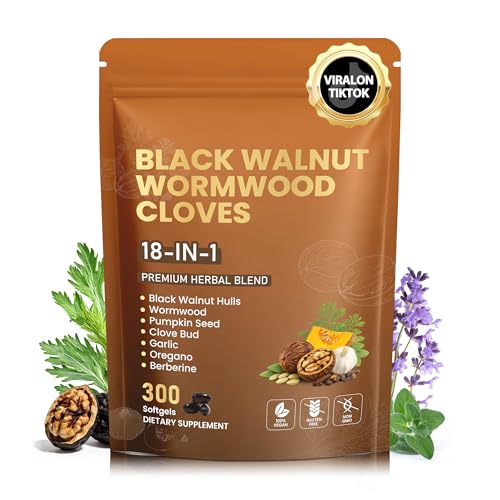
capsules, 2 capsules daily — Budget-friendly combination capsule pairing black walnut hull and wormwood, a common starter product - NOW Foods Wormwood
capsules, 1 capsule, 2x daily — Single-herb wormwood capsule from a widely trusted supplement manufacturer, good for readers wanting to build their own stack - Herb Pharm Black Walnut
liquid, 0.5-1 mL, 3x daily — Alcohol-based liquid extract from a respected small-batch herbal manufacturer, common alternative to capsule form
As an Amazon Associate we earn from qualifying purchases. Quality varies widely — always choose a product with a published third-party test (COA) before buying.
A Note on the Evidence
Direct comparative clinical data on organic vs wildcrafted antiparasitic herbs for parasite clearance in humans are lacking; quality decisions should rest on analytical chemistry (CoAs) rather than sourcing labels alone. These herbs are not FDA-evaluated for diagnosis, treatment, cure, or prevention of disease and are not a substitute for medical evaluation of a suspected parasitic infection. Pregnant or nursing individuals, children, and anyone on medication must consult a qualified healthcare provider before starting any parasite cleanse regimen.

Frequently Asked Questions
Is wildcrafted always more potent than organic for antiparasitic herbs?
Not necessarily. Potency is driven by species, plant part, harvest maturity, and drying; both organic and wildcrafted lots can be high or low in marker compounds. Always request a certificate of analysis showing quantified actives.
Does organic certification guarantee zero pesticide residue?
Organic standards prohibit most synthetic pesticides, but environmental drift and persistent legacy chemicals can result in trace detections. Multi-residue screening on the finished lot is the only way to know the actual residue profile.
How can I verify a wildcrafted herb was harvested sustainably and from a clean area?
Ask the supplier for harvest location maps, collection permits, botanist sign-off, and contaminant test results (heavy metals, pesticides) specific to that lot. Reputable wildcrafters maintain this documentation.
Are binders like diatomaceous earth and mimosa pudica seed subject to the same sourcing concerns?
Yes. Diatomaceous earth should be food-grade with low crystalline silica and heavy metal testing. Mimosa pudica seed should have species ID, microbial, and contaminant CoAs. Sourcing transparency applies to all ingredients in the protocol.
Can I rely on a brand's 'organic' or 'wildcrafted' label without seeing a CoA?
Label claims alone are insufficient for clinical-grade parasite cleanse protocols. Lot-specific CoAs covering identity, potency, pesticides, heavy metals, and microbes are the standard for verified quality.
Should pregnant or nursing individuals use these herbs regardless of sourcing quality?
No. Wormwood (thujone), black walnut hull (juglone), and high-dose clove (eugenol) have safety concerns in pregnancy and lactation. These protocols are contraindicated in these populations; consult a healthcare provider before any use.
These statements have not been evaluated by the Food and Drug Administration. This information is not intended to diagnose, treat, cure, or prevent any disease. Content is for informational purposes only and is not medical advice; consult a qualified healthcare provider before starting any supplement. As an Amazon Associate we earn from qualifying purchases.