Parasitic infections in the gastrointestinal tract can disrupt the intestinal mucosa, impair digestive enzyme activity, and trigger inflammation that collectively reduce nutrient absorption. When these infections are effectively cleared, the gut lining often undergoes repair, potentially restoring normal absorptive capacity.
This article examines the available clinical evidence on nutrient malabsorption reversal after parasite clearance, focusing on documented associations between specific parasites and malabsorption syndromes, as well as experimental data on antiparasitic therapy’s direct effects on intestinal function. It also addresses the evidence gap regarding herbal parasite cleanse protocols and discusses supportive nutritional strategies.
Key Takeaways
- Giardia infection is clinically associated with fructose malabsorption, demonstrating that parasites can directly impair specific nutrient absorption pathways [1].
- Antiparasitic treatment can restore intestinal barrier function and nutrient transporter expression, as shown in a human Intestine Chip model with sulfadoxine-pyrimethamine [2].
- No clinical trials exist evaluating herbal parasite cleanse protocols (wormwood, black walnut, clove, binders) for parasite clearance or nutrient absorption outcomes.
- Post-clearance nutritional support should prioritize evidence-based repletion of documented deficiencies and mucosal healing nutrients.
- Shilajit’s proposed mechanisms (fulvic acids, trace minerals, mitochondrial support) are theoretical for this context; human clinical data are lacking.
Parasite Infections and Nutrient Malabsorption: The Giardia Example
Giardia intestinalis is one of the most common intestinal parasites worldwide and has been directly linked to carbohydrate malabsorption. A 2019 study published in Nutrients investigated the frequency of fructose malabsorption in patients with giardiasis and found a frequent association between Giardia infection and impaired fructose absorption [1]. The researchers observed that a significant proportion of patients with confirmed Giardia infection tested positive for fructose malabsorption via hydrogen breath testing, suggesting that the parasite disrupts the intestinal transporters or mucosal integrity required for normal fructose uptake.
This finding illustrates a broader principle: parasitic infections can cause specific, measurable nutrient malabsorption syndromes. The mechanisms include direct damage to enterocytes, downregulation of disaccharidase enzymes, and immune-mediated inflammation that alters tight junction permeability. While Giardia is a well-studied example, other parasites such as Cryptosporidium, Strongyloides, and hookworm have also been implicated in protein-losing enteropathy, fat malabsorption, and micronutrient deficiencies.
Mechanisms Linking Parasite Clearance to Absorption Recovery
When a parasitic infection is eradicated, whether by prescription antiparasitics or other means, the intestinal mucosa initiates a repair process. Enterocyte turnover accelerates, villous architecture regenerates, and brush-border enzyme expression (e.g., lactase, sucrase-isomaltase) typically returns to baseline. Inflammatory cytokines such as TNF-alpha and IL-1beta, which suppress transporter expression and increase paracellular leak, decline with resolution of infection.

Clinical recovery of absorption function often parallels histologic healing. For instance, in giardiasis, disaccharidase deficiencies and bile acid malabsorption frequently resolve within weeks of successful treatment. However, the timeline and completeness of recovery can vary based on infection duration, host nutritional status, and whether coexisting conditions (e.g., small intestinal bacterial overgrowth) are present.
Direct Evidence from Antiparasitic Therapy on Intestinal Function
A 2024 study in EBioMedicine used a human Intestine Chip microfluidic model to evaluate the direct therapeutic effect of sulfadoxine-pyrimethamine, an antimalarial drug combination, on nutritional deficiency-induced enteric dysfunction [2]. The researchers demonstrated that the drug not only exerted antiparasitic activity but also improved intestinal barrier integrity, nutrient transporter expression, and epithelial morphology in the context of nutrient deficiency. This suggests that certain antiparasitic agents may have direct trophic effects on the gut epithelium beyond pathogen clearance.
While this study utilized a specific pharmaceutical agent in an advanced in vitro system, it provides mechanistic insight: reducing parasite burden and/or modulating host pathways can rapidly restore intestinal absorptive capacity. However, extrapolation to herbal antiparasitic regimens requires caution, as the pharmacokinetics, bioavailability, and off-target effects of botanical compounds differ substantially from those of studied drugs.
Herbal Parasite Cleanse Protocols: Current Evidence Gap
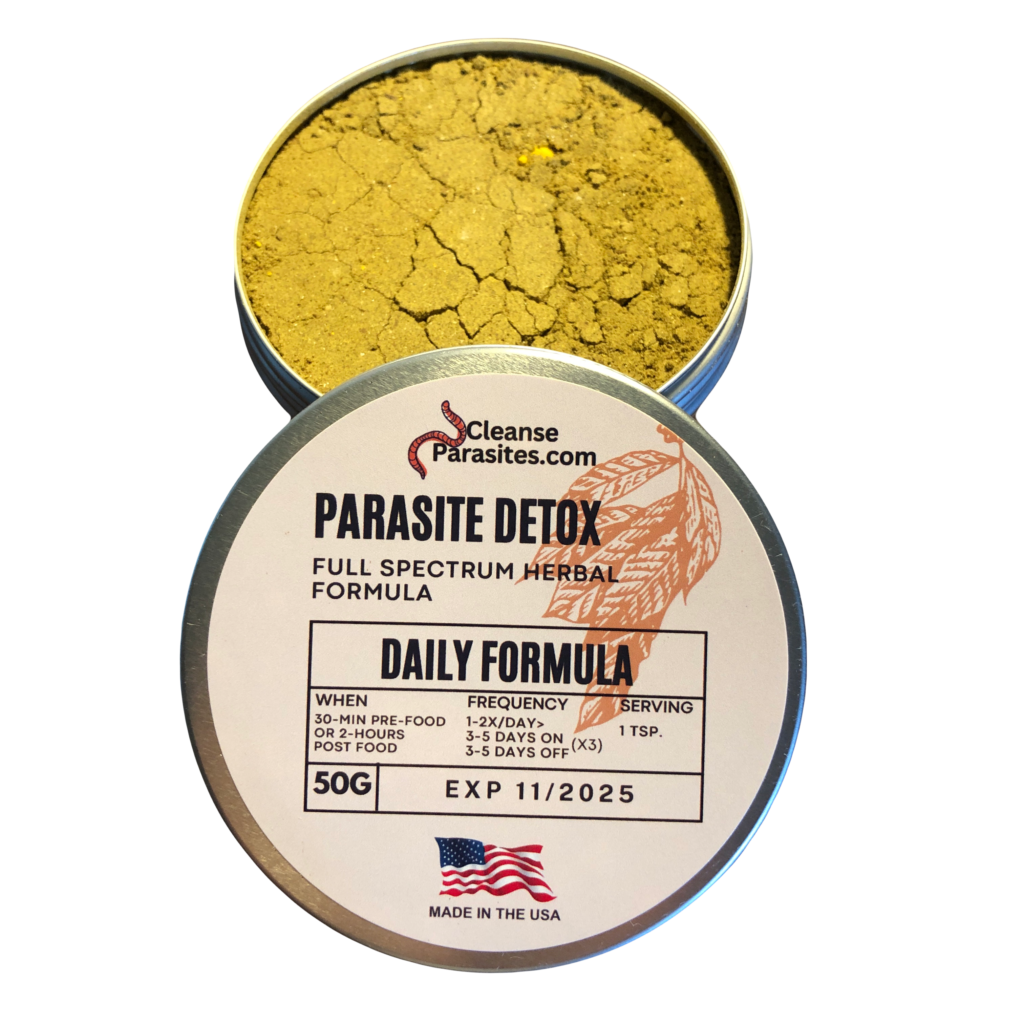
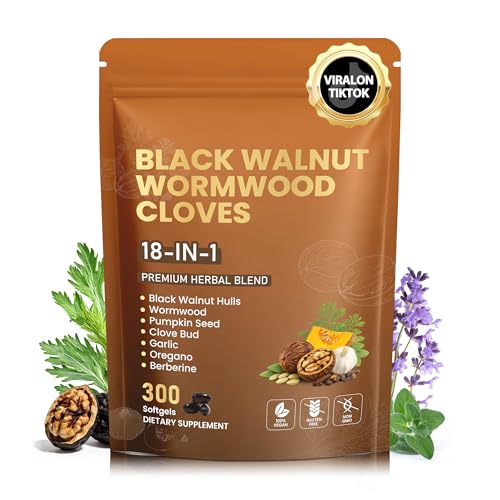
Popular parasite cleanse protocols typically combine herbs such as wormwood (Artemisia absinthium), black walnut hull (Juglans nigra), and clove (Syzygium aromaticum), sometimes with binders like diatomaceous earth or mimosa pudica seed. Proponents propose mechanisms including parasite membrane disruption, interference with reproductive cycles, and physical binding for elimination. Despite widespread anecdotal use, there are no published randomized controlled trials evaluating these specific herbal combinations for nutrient malabsorption reversal or even for parasite clearance rates in humans.
The absence of clinical trials means that claims about nutrient absorption improvement after herbal parasite cleanses are not supported by direct evidence. Any observed benefits in practice may stem from concurrent dietary changes, placebo effects, or spontaneous resolution of transient infections. Without before-and-after objective testing (e.g., breath tests, stool fat, serum micronutrients), it is impossible to attribute absorption improvements to the herbal regimen itself.

Supportive Nutritional Strategies After Clearance
After confirmed parasite clearance, the focus shifts to replenishing depleted nutrients and supporting mucosal healing. A nutrient-dense, anti-inflammatory diet rich in zinc, vitamin A, glutamine, and omega-3 fatty acids provides substrates for enterocyte regeneration. Probiotic supplementation may help restore microbial balance disrupted by infection or treatment.
Some practitioners incorporate Shilajit, a mineral-rich exudate from high-altitude rocks, as a supportive agent. Shilajit contains fulvic and humic acids, trace minerals, and dibenzo-alpha-pyrones, which are proposed to enhance mitochondrial energy production, improve mineral bioavailability, and exert antioxidant effects in the gut. However, clinical research on Shilajit for post-parasitic malabsorption is early and small; no controlled trials demonstrate its efficacy for this specific indication. It should be viewed as a complementary nutrient source, not a primary therapy for malabsorption reversal.
Monitoring and Clinical Follow-Up
Objective verification of parasite clearance is essential before assuming malabsorption has resolved. This typically involves repeat stool ova and parasite examination, PCR testing, or antigen detection at appropriate intervals post-treatment. Concurrently, nutritional status should be assessed via serum levels of iron, ferritin, vitamin B12, folate, vitamin D, and fat-soluble vitamins, as well as functional tests like hydrogen breath testing for carbohydrate malabsorption if symptoms persist.
If malabsorption markers remain abnormal after documented clearance, further evaluation for alternative causes (e.g., celiac disease, SIBO, pancreatic insufficiency, inflammatory bowel disease) is warranted. A healthcare provider can coordinate this workup and tailor repletion therapy to identified deficiencies.

🛒 Where to Buy Parasite Cleanse Protocol
- CleanseParasites Herbal Parasite Cleanse Powder Editor’s Pick
The flagship product for this hub’s own protocol content — wormwood, black walnut hull, cloves, and more. - CleanseParasites Full Detox Bundle (all products) Editor’s Pick
The complete 11-week protocol bundle: parasite cleanse, metals binder, superfood, and more in one order. - Global Healing Paratrex I
oil-based liquid, 1 ml, 2x daily — Current MicroSomal formula is a pumpkin-seed and pomegranate-seed oil blend with essential oils; it no longer contains wormwood, clove or black walnut - Amazing Herbs Premium Black Walnut-Wormwood Complex
capsules, 2 capsules daily — Budget-friendly combination capsule pairing black walnut hull and wormwood, a common starter product - NOW Foods Wormwood
capsules, 1 capsule, 2x daily — Single-herb wormwood capsule from a widely trusted supplement manufacturer, good for readers wanting to build their own stack - Herb Pharm Black Walnut
liquid, 0.5-1 mL, 3x daily — Alcohol-based liquid extract from a respected small-batch herbal manufacturer, common alternative to capsule form
As an Amazon Associate we earn from qualifying purchases. Quality varies widely — always choose a product with a published third-party test (COA) before buying.
A Note on the Evidence
This article is informational, not medical advice. Parasite cleanse herbs are not a substitute for lab-confirmed diagnosis or medical treatment of a parasitic infection. Pregnant or nursing individuals, children, and anyone on medication should consult a healthcare provider before starting any herbal regimen. The cited studies involve specific pathogens and pharmaceutical agents; results do not validate herbal protocols.
Frequently Asked Questions
Does clearing a parasite infection automatically fix nutrient malabsorption?
Clearance allows the gut to heal, but recovery of absorption function varies. Some deficiencies resolve quickly; others require targeted repletion. Persistent malabsorption after clearance warrants investigation for other causes.
Is there clinical proof that herbal parasite cleanses improve nutrient absorption?
No. There are no published randomized controlled trials testing herbal parasite cleanse protocols (e.g., wormwood, black walnut, clove) for either parasite clearance or nutrient absorption outcomes in humans.
What does the Giardia and fructose malabsorption study show?
The 2019 Nutrients study found a frequent association between Giardia intestinalis infection and fructose malabsorption diagnosed by hydrogen breath testing, indicating the parasite impairs carbohydrate absorption [1].
Can antiparasitic drugs directly help the intestinal lining?
A 2024 human Intestine Chip study showed that sulfadoxine-pyrimethamine improved barrier integrity, nutrient transporter expression, and epithelial morphology in nutrient-deficient conditions, suggesting direct trophic effects beyond parasite killing [2].
Should I take Shilajit after a parasite cleanse to help absorption?
Shilajit provides trace minerals and fulvic acids that are proposed to support mitochondrial function and mineral bioavailability, but no clinical trials evaluate it for post-parasitic malabsorption. Discuss with a healthcare provider before use.
What tests confirm that malabsorption has resolved after parasite treatment?
Repeat stool testing (OVA, PCR, antigen) confirms parasite clearance. Nutritional blood panels (iron, B12, folate, vitamin D, fat-soluble vitamins) and functional tests (e.g., breath tests for carbohydrate malabsorption) assess absorption recovery.
References
- Trelis M et al. Giardia intestinalis and Fructose Malabsorption: A Frequent Association. Nutrients (2019). PMID 31817420
- Kim S et al. Direct therapeutic effect of sulfadoxine-pyrimethamine on nutritional deficiency-induced enteric dysfunction in a human Intestine Chip. EBioMedicine (2024). PMID 38101300
These statements have not been evaluated by the Food and Drug Administration. This information is not intended to diagnose, treat, cure, or prevent any disease. Content is for informational purposes only and is not medical advice; consult a qualified healthcare provider before starting any supplement. As an Amazon Associate we earn from qualifying purchases.