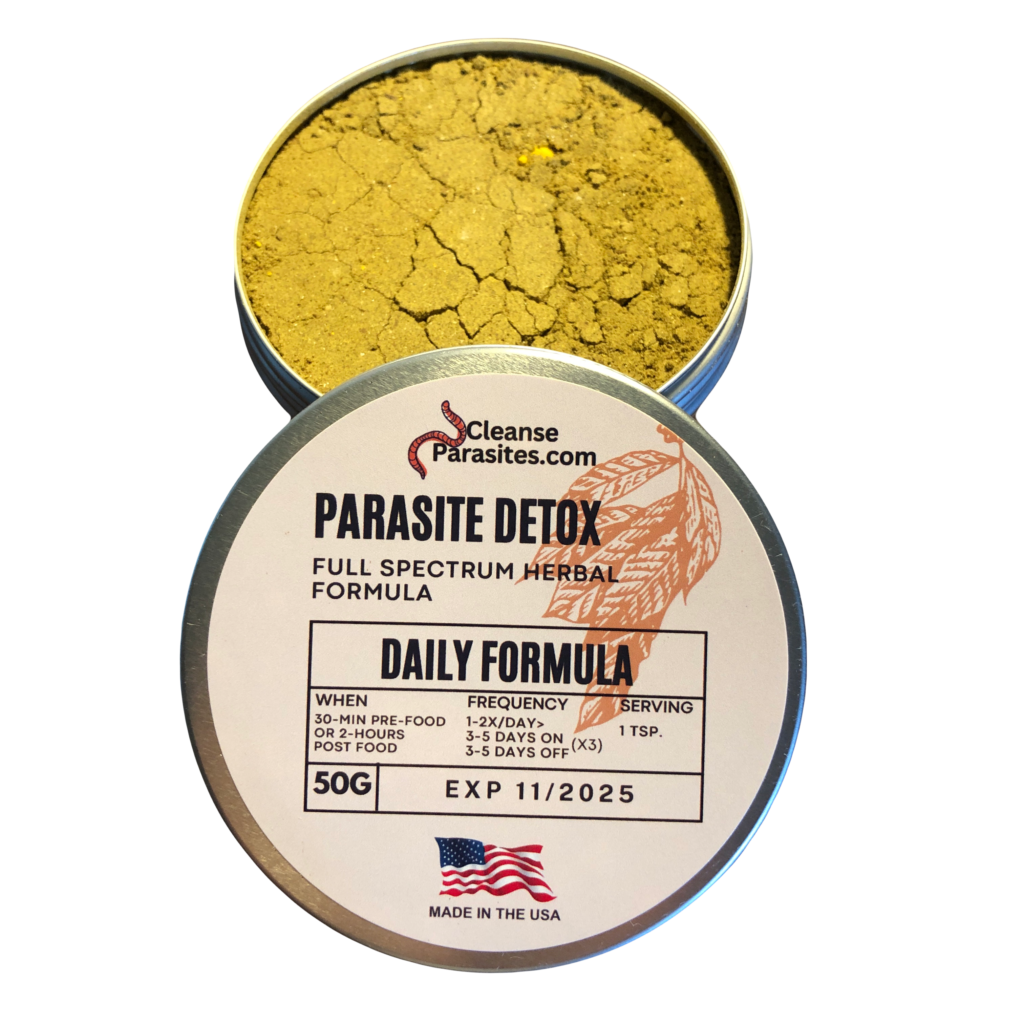
Wormwood (Artemisia absinthium) is one of the three anchor herbs in many traditional parasite cleanse protocols, prized for its bitter constituents and history of use against intestinal worms and, more recently, as a research subject for antimicrobial and antiparasitic activity [1][2]. But wormwood’s reputation is inseparable from thujone, the terpene compound blamed for absinthe’s 19th-century notoriety and the reason wormwood-containing products are tightly regulated in food and supplements today.
This article looks specifically at what thujone is, how toxicology researchers have measured its effects, what regulatory limits exist, and how those limits relate to typical wormwood use in a cleanse. None of this is medical advice, and none of it substitutes for talking to a healthcare provider, especially given wormwood’s documented neurological effects at high doses.
Key Takeaways
- Thujone is the specific compound in wormwood responsible for its CNS/seizure risk profile, acting via GABA-A receptor antagonism [3].
- Risk is dose-dependent; regulatory thujone limits in foods, drinks, and supplements exist to keep exposure well below levels linked to adverse effects [3][4].
- Historical absinthe scares were very likely driven mainly by alcohol content and era-specific contaminants, not thujone itself [5][6].
- Wormwood has documented antimicrobial, antiparasitic, and anti-inflammatory research interest, but that doesn’t offset thujone’s dose-dependent toxicity, both facts apply simultaneously [2][1].
- Time-boxed use and standardized, tested products (not unknown raw herb) are the practical way cleanse protocols manage thujone exposure.
What Is Thujone, and Why Does It Matter in Wormwood?
Thujone is a monoterpene ketone found in wormwood and several related Artemisia species, existing in two stereoisomeric forms, alpha-thujone and beta-thujone, that differ somewhat in potency and metabolic handling [4]. It is one of many volatile compounds in wormwood essential oil, alongside other monoterpenes that have their own toxicity profiles worth considering when any concentrated essential oil, not just thujone in isolation, is ingested [7].
Thujone’s pharmacological interest comes from its action on GABA-A receptors in the central nervous system, where it behaves as an antagonist; this is the mechanistic basis for the seizure risk and CNS excitability associated with high-dose exposure, and it is why toxicologists treat thujone as the primary marker compound when assessing wormwood safety [3].

What the Toxicology Research Actually Shows
A formal toxicological assessment of thujone in herbal medicinal and botanical products reviewed available animal and human data to characterize dose-response relationships and establish a basis for exposure limits, concluding that risk is dose-dependent and that regulatory ceilings on thujone content in foods, beverages, and supplements are meant to keep intake well below levels associated with adverse CNS effects [3].
Toxicokinetic studies in rats and mice examined how alpha-thujone and thujone mixtures are absorbed and processed after intravenous and oral (gavage) administration, generating data on how quickly thujone is metabolized and cleared, information that regulatory bodies use to model safe exposure thresholds across species and, by extension, to extrapolate cautiously to humans [4].
Separately, research on monoterpenes broadly, the chemical family thujone belongs to, has cataloged toxicity data across multiple related compounds, reinforcing that essential-oil-derived constituents in general carry dose-dependent risks that are not unique to thujone but apply to concentrated plant extracts more broadly [7].
The Absinthe History: What It Does and Doesn't Prove
Much of wormwood’s toxic reputation traces back to 19th-century absinthe, a wormwood-flavored spirit blamed for a supposed syndrome called ‘absinthism,’ marked by hallucinations, seizures, and psychiatric decline. A modern historical reassessment concluded that absinthe’s ill effects were very likely driven primarily by its high alcohol content and contaminants (including toxic adulterants) common to that era’s distilling practices, not by thujone at the concentrations actually present in the drink, effectively ‘rehabilitating’ absinthe’s reputation from a toxicology standpoint [5].

A related analysis specifically examined whether historical absinthe dependence was really thujone dependence or simply alcohol dependence with wormwood along for the ride, and found the evidence points overwhelmingly toward alcohol as the primary driver of absinthe-related harm, with thujone playing a much smaller role than folklore suggests [6].
The practical takeaway is not that thujone is harmless, the toxicokinetic and regulatory-assessment data still show real dose-dependent CNS risk, but that absinthe-era horror stories are a poor guide to the actual risk of a modern, thujone-limited wormwood supplement taken as directed [3].
How Regulatory Thujone Limits Work
Because of the CNS risk profile, food and beverage regulators in the US and EU cap thujone content in products like vermouth, bitters, and alcoholic beverages containing wormwood, and herbal supplement guidance follows a similar logic of keeping thujone exposure below levels associated with adverse effects in the toxicological assessment literature [3]. These limits exist precisely because thujone content in wormwood plant material is not fixed; it varies by growing conditions, plant part, and extraction method, which is why a standardized, tested product matters more than raw dried herb of unknown origin.
This is also why duration matters in cleanse protocols: time-boxed use (typically days to a few weeks) is a deliberate design choice to limit cumulative thujone exposure, rather than an arbitrary tradition.

Where Wormwood's Other Research Fits In
Separate from thujone toxicity, wormwood and related Artemisia species have been studied for antimycobacterial, cytotoxic, and anti-inflammatory activity [2], for activity against trypanosome parasites [1], and wormwood essential oil has even been examined for phytotoxic (plant-growth-inhibiting) effects, a reminder that its bioactive compounds are potent enough to affect other organisms, not just intended targets [8]. Herbal products for inflammatory bowel conditions, a separate area of interest for some Artemisia-family herbs, have also been reviewed in double-blind randomized trials, though that body of evidence concerns IBD specifically and should not be read as evidence for antiparasitic use [9].
None of this changes the thujone safety calculus. A compound can have documented antimicrobial or antiparasitic activity in lab or animal studies and still carry a dose-dependent neurotoxicity profile that requires careful dosing, the two facts are not in tension.
🛒 Where to Buy Parasite Cleanse Protocol
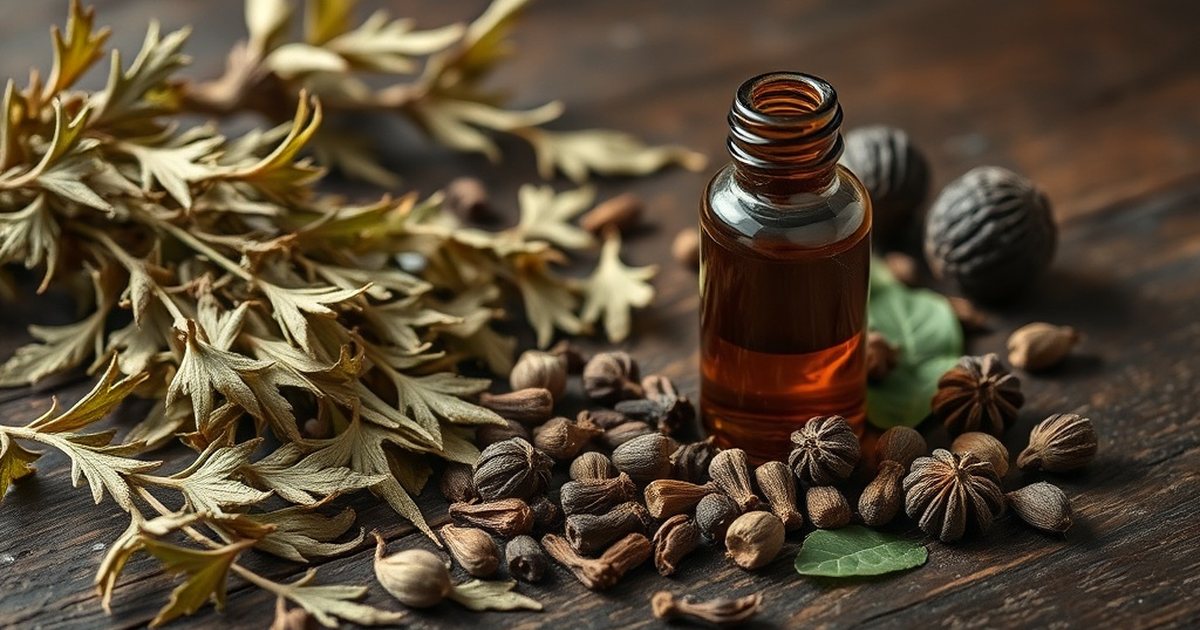
- CleanseParasites Herbal Parasite Cleanse Powder Editor’s Pick
The flagship product for this hub’s own protocol content — wormwood, black walnut hull, cloves, and more. - CleanseParasites Full Detox Bundle (all products) Editor’s Pick
The complete 11-week protocol bundle: parasite cleanse, metals binder, superfood, and more in one order. - Global Healing Paratrex I
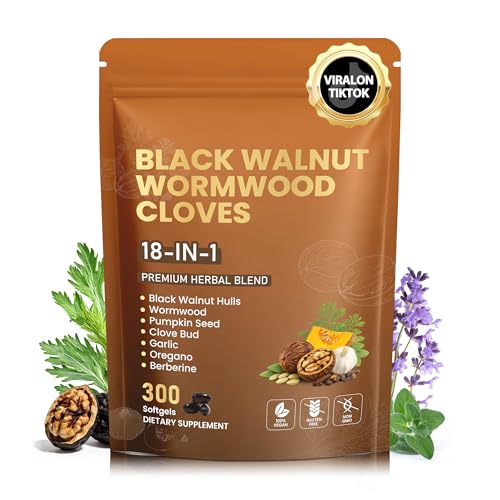
oil-based liquid, 1 ml, 2x daily — Current MicroSomal formula is a pumpkin-seed and pomegranate-seed oil blend with essential oils; it no longer contains wormwood, clove or black walnut - Amazing Herbs Premium Black Walnut-Wormwood Complex
capsules, 2 capsules daily — Budget-friendly combination capsule pairing black walnut hull and wormwood, a common starter product - NOW Foods Wormwood
capsules, 1 capsule, 2x daily — Single-herb wormwood capsule from a widely trusted supplement manufacturer, good for readers wanting to build their own stack - Herb Pharm Black Walnut
liquid, 0.5-1 mL, 3x daily — Alcohol-based liquid extract from a respected small-batch herbal manufacturer, common alternative to capsule form
As an Amazon Associate we earn from qualifying purchases. Quality varies widely — always choose a product with a published third-party test (COA) before buying.
A Note on the Evidence
This article summarizes toxicology and historical research on thujone and wormwood; it is not medical advice and these statements have not been evaluated by the FDA. These products are not intended to diagnose, treat, cure, or prevent any disease, are not a substitute for lab-confirmed diagnosis or treatment of a parasitic infection, and pregnant or nursing individuals, children, and anyone on medication should consult a healthcare provider before use.
Frequently Asked Questions
Is thujone in wormwood dangerous?
At high enough doses, thujone can cause CNS excitability and, in extreme cases, seizures, which is why regulatory bodies cap thujone content in wormwood-containing products [3]. At the low, regulated levels found in standardized supplements, the risk profile is very different from historical absinthe abuse.
Did absinthe really cause hallucinations and madness because of thujone?
Modern toxicological and historical review concluded that absinthe’s reputed harms were driven mainly by its high alcohol content and era-specific contaminants, not thujone at the levels actually present in the drink [5][6].
How is thujone toxicity actually studied?
Researchers have measured how alpha- and beta-thujone are absorbed, metabolized, and cleared in animal models after oral and intravenous dosing, data used to model safe exposure thresholds [4]. Broader monoterpene toxicity data also inform how concentrated wormwood essential oil constituents are assessed [7].

Does wormwood have real antiparasitic research behind it, or is it just tradition?
Artemisia species, including wormwood, have documented laboratory activity against trypanosome parasites and antimycobacterial activity, alongside anti-inflammatory effects [1][2]. This is separate from, and doesn’t reduce, thujone’s dose-dependent toxicity considerations.
Why do cleanse protocols limit wormwood to a short time period?
Time-boxing use is a practical way to limit cumulative thujone exposure, consistent with the dose-dependent risk profile described in toxicological assessments [3]. It is not simply a traditional custom without a safety rationale.
Should everyone avoid wormwood because of thujone?
This isn’t medical advice, but the toxicology literature specifically flags dose-dependent CNS risk, meaning product quality, dosing, and duration all matter [3][4]. Anyone with a seizure history, who is pregnant or nursing, on medication, or unsure about a product’s thujone content should talk to a healthcare provider before use.
References
- Naß J et al. The activity of Artemisia spp. and their constituents against Trypanosomiasis. Phytomedicine : international journal of phytotherapy and phytopharmacology (2018). PMID 30166103
- Gálvez Romero JL et al. Antimycobacterial, cytotoxic, and anti-inflammatory activities of Artemisialudoviciana. Journal of ethnopharmacology (2022). PMID 35395382
- Pelkonen O et al. Thujone and thujone-containing herbal medicinal and botanical products: toxicological assessment. Regulatory toxicology and pharmacology : RTP (2013). PMID 23201408
- Waidyanatha S et al. Toxicokinetics of α-thujone following intravenous and gavage administration of α-thujone or α- and β-thujone mixture in male and female F344/N rats and B6C3F1 mice. Toxicology and applied pharmacology (2013). PMID 23669748
- Chapuis Y et al. [Absinthe rehabilitated]. Bulletin de l'Academie nationale de medecine (2013). PMID 24919378
- Lachenmeier DW et al. [Absinthe – history of dependence to thujone or to alcohol?]. Fortschritte der Neurologie-Psychiatrie (2007). PMID 17506021
- Wojtunik-Kulesza KA et al. Toxicity of Selected Monoterpenes and Essential Oils Rich in These Compounds. Molecules (Basel, Switzerland) (2022). PMID 35268817
- Jiang C et al. Evaluation of the phytotoxic effect of the essential oil from Artemisia absinthium. Ecotoxicology and environmental safety (2021). PMID 34619470
- Holleran G et al. Herbal medicinal products for inflammatory bowel disease: A focus on those assessed in double-blind randomised controlled trials. Phytotherapy research : PTR (2020). PMID 31701598
These statements have not been evaluated by the Food and Drug Administration. This information is not intended to diagnose, treat, cure, or prevent any disease. Content is for informational purposes only and is not medical advice; consult a qualified healthcare provider before starting any supplement. As an Amazon Associate we earn from qualifying purchases.