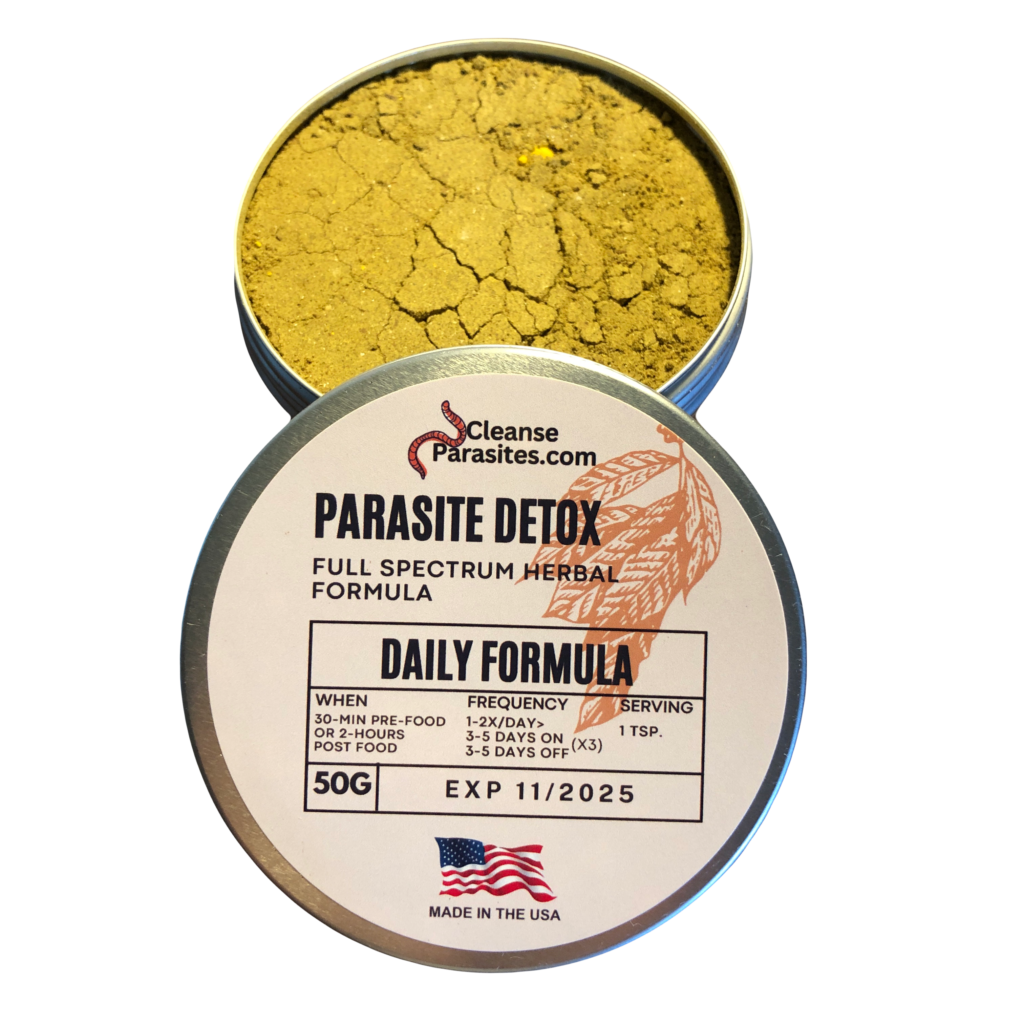
Parasite cleanses get marketed as something almost everyone should try periodically, a kind of seasonal reset for the gut. That framing oversells the case. Most people living in countries with treated water, inspected food supplies, and regular sanitation infrastructure are not walking around with an undiagnosed intestinal parasite, and no herbal regimen changes that reality.
At the same time, dismissing the idea entirely misses real situations where someone has genuine risk factors worth taking seriously. This article lays out, honestly, who tends to have a legitimate reason to think about a parasite cleanse, who is better served by a stool test and a doctor’s visit, and who should skip the idea altogether. None of this is a diagnosis or a treatment plan. It’s a framework for deciding whether the question even applies to you.
Key Takeaways
- Travel to regions with less reliable water and food safety infrastructure is the most common legitimate reason to consider testing for parasites.
- Occupational or household exposure to soil, untreated water, or unwormed animals raises baseline risk but doesn’t confirm infection.
- Persistent GI symptoms overlap heavily with far more common conditions like IBS and SIBO, so testing beats guessing.
- Pregnant or nursing individuals, children, and anyone on medication should consult a healthcare provider before starting any cleanse protocol.
- Without travel history, exposure risk, or symptoms, there’s no clear rationale for a parasite cleanse as a general wellness practice.
What a Parasite Cleanse Actually Is
A parasite cleanse protocol is a time-boxed regimen of antiparasitic and antimicrobial herbs, most commonly wormwood, black walnut hull, and clove, sometimes combined with binders like diatomaceous earth or mimosa pudica seed. The proposed mechanism is that these herbs disrupt parasite cell membranes and reproductive cycles, while the binders help sweep dead organisms and debris out through the gut before they can be reabsorbed.
It’s worth being precise about what this is and isn’t. It is a defined, temporary regimen, not a daily supplement to take indefinitely. It is not a substitute for a stool test, blood work, or a physician’s evaluation if you actually suspect a parasitic infection. These statements have not been evaluated by the FDA, and these products are not intended to diagnose, treat, cure, or prevent any disease.
Travel History Is the Most Common Legitimate Trigger
People who have traveled to or lived in regions with less reliable water treatment and food safety infrastructure, parts of Southeast Asia, sub-Saharan Africa, Central America, and South Asia among them, carry meaningfully higher exposure risk to intestinal parasites like Giardia, various helminths, and other protozoa[1]. If you’ve had unexplained digestive symptoms that started during or shortly after travel and haven’t resolved, that’s a reasonable prompt to get tested rather than guess[2].

The key word is tested. Travel raises the plausibility that a cleanse might be addressing something real, but it doesn’t confirm it. A stool ova-and-parasite test, or a more sensitive PCR panel where available[3], is how you find out whether there’s actually something to treat.
Occupational and Household Exposure
Certain jobs and living situations increase contact with soil, animal waste, or untreated water: farming and livestock work, veterinary and animal shelter work, wilderness and agricultural fieldwork, and households with pets that go untreated for worms and have close contact with children. Well water in areas without regular testing is another exposure point worth being aware of.
None of these guarantee an infection is present. They simply mean the baseline probability is higher than for someone in a fully urban, treated-water, indoor-pet-only household, which is the group cleanse marketing tends to target the least accurately.
Persistent, Unexplained GI Symptoms
Chronic bloating, alternating constipation and diarrhea, unexplained weight loss, persistent fatigue, or anal itching that doesn’t resolve with normal dietary changes are the symptom cluster most often associated, rightly or wrongly, with parasite concerns. The honest caveat is that this symptom list overlaps almost entirely with IBS, SIBO, food intolerances, thyroid dysfunction[4], and several other far more common conditions in developed countries.
Symptoms alone are not diagnostic of a parasite. Anyone with this symptom pattern lasting more than a few weeks is better served starting with a doctor and a stool panel than starting with an herbal protocol, because treating the wrong underlying cause delays real relief.

Who Should Not Start a Cleanse Without Medical Guidance
Pregnant or nursing individuals, children, and anyone currently on medication should talk to a healthcare provider before starting a parasite cleanse. Some of the herbs used in these protocols, wormwood in particular, have a history of caution around use in pregnancy[5] and in combination with certain medications, and self-directed dosing without medical input adds unnecessary risk.
Anyone with a diagnosed GI condition already under a specialist’s care, anyone on immunosuppressive therapy, or anyone with liver or kidney impairment should also loop in their existing provider first rather than adding an herbal regimen on top of an existing treatment plan without oversight.
The People a Cleanse Probably Isn't For
If you have no travel history to higher-risk regions, no unusual occupational or household exposure, no persistent GI symptoms, and are simply curious because a cleanse was marketed as a general wellness practice, there’s no clear rationale for one. A time-boxed herbal regimen aimed at a specific problem isn’t well suited to open-ended, symptomless use.
This is not a case against ever being curious about gut health. It’s a case for matching the tool to an actual, plausible problem rather than adopting a protocol because it was framed as something everyone should do.

🛒 Where to Buy Parasite Cleanse Protocol
- CleanseParasites Herbal Parasite Cleanse Powder Editor’s Pick
The flagship product for this hub’s own protocol content — wormwood, black walnut hull, cloves, and more. - CleanseParasites Full Detox Bundle (all products) Editor’s Pick
The complete 11-week protocol bundle: parasite cleanse, metals binder, superfood, and more in one order. - Global Healing Paratrex I
oil-based liquid, 1 ml, 2x daily — Current MicroSomal formula is a pumpkin-seed and pomegranate-seed oil blend with essential oils; it no longer contains wormwood, clove or black walnut - Amazing Herbs Premium Black Walnut-Wormwood Complex
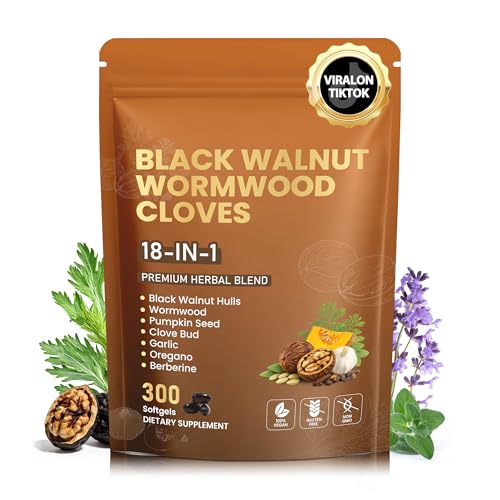
capsules, 2 capsules daily — Budget-friendly combination capsule pairing black walnut hull and wormwood, a common starter product - NOW Foods Wormwood
capsules, 1 capsule, 2x daily — Single-herb wormwood capsule from a widely trusted supplement manufacturer, good for readers wanting to build their own stack - Herb Pharm Black Walnut
liquid, 0.5-1 mL, 3x daily — Alcohol-based liquid extract from a respected small-batch herbal manufacturer, common alternative to capsule form
As an Amazon Associate we earn from qualifying purchases. Quality varies widely — always choose a product with a published third-party test (COA) before buying.
A Note on the Evidence
These statements have not been evaluated by the FDA, and these products are not intended to diagnose, treat, cure, or prevent any disease; a parasite cleanse is not a substitute for lab-confirmed diagnosis or medical treatment of a parasitic infection. Pregnant or nursing individuals, children, and anyone on medication should talk to a healthcare provider before starting one, and this article is informational only, not medical advice.
Frequently Asked Questions
Can I just do a parasite cleanse to be safe, even without symptoms?
You can, but there’s no established rationale for it if you have no risk factors or symptoms. A time-boxed herbal regimen is designed to address a specific concern, not to serve as routine maintenance for someone with no plausible exposure.
Is a stool test better than just starting a cleanse?
If you suspect an actual parasitic infection, a stool ova-and-parasite test or PCR panel is the only way to know if one is present. Starting an herbal regimen without testing means you never find out whether the underlying issue was actually a parasite or something else entirely.
What symptoms are worth getting checked out?
Persistent bloating, alternating constipation and diarrhea, unexplained weight loss, ongoing fatigue, or anal itching that doesn’t resolve are worth a doctor’s visit, especially if they’ve lasted more than a few weeks. These same symptoms are also common with IBS, SIBO, and other conditions, so testing helps narrow down the actual cause.
Does living in a developed country rule out parasites entirely?
It significantly lowers the baseline risk given treated water and inspected food supplies, but it doesn’t rule it out completely, especially for people with specific exposures like well water, unwormed pets, or agricultural work. For most people without those exposures, the probability is low.
Is it safe for pregnant women to do a parasite cleanse?
Pregnant or nursing individuals should talk to a healthcare provider before starting one. Some herbs commonly used in these protocols carry caution around pregnancy, so this isn’t a decision to make without medical input.
Can children safely do a parasite cleanse?
Children should not start a parasite cleanse without a healthcare provider’s guidance. Dosing, herb safety profiles, and underlying causes of symptoms differ significantly in children compared to adults.
References
- Weitzel T et al. Intestinal protozoa in returning travellers: a GeoSentinel analysis from 2007 to 2019. J Travel Med (2024). PMID 38245913
- Gefen-Halevi S et al. Persistent abdominal symptoms in returning travellers: clinical and molecular findings. J Travel Med (2022). PMID 35134178
- Robert-Gangneux F et al. Improvement of the diagnosis of intestinal protozoa using a multiplex qPCR strategy compared to classical microscopy: a prospective study on 3,500 stool samples over 3 years. J Clin Microbiol (2025). PMID 40162804
- Ibarra C et al. Parasitosis and irritable bowel syndrome. Rev Chilena Infectol (2016). PMID 27598274
- Pelkonen O et al. Thujone and thujone-containing herbal medicinal and botanical products: toxicological assessment. Regul Toxicol Pharmacol (2013). PMID 23201408
These statements have not been evaluated by the Food and Drug Administration. This information is not intended to diagnose, treat, cure, or prevent any disease. Content is for informational purposes only and is not medical advice; consult a qualified healthcare provider before starting any supplement. As an Amazon Associate we earn from qualifying purchases.