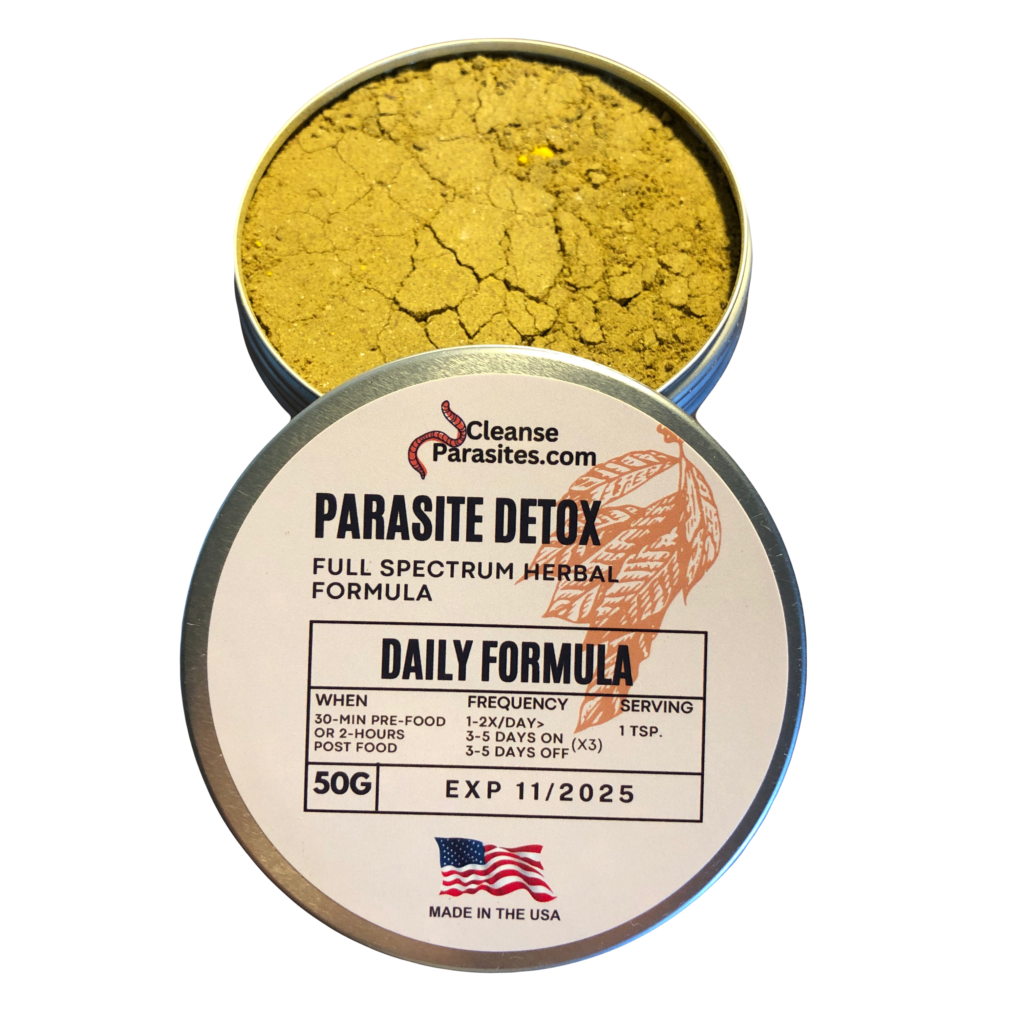
A parasite cleanse is a short-term protocol, usually 30 to 90 days, that combines herbal or pharmaceutical anti-parasitic compounds with dietary changes meant to make the gut a less hospitable environment for intestinal parasites. The idea has roots in both traditional herbal medicine and modern integrative practice, but the two traditions disagree on almost everything except the basic goal: reduce parasite load and support the gut afterward.
This article is a starting point for the rest of the site. It explains what a cleanse typically involves, what the research does and does not support, and where the honest uncertainty sits so you can make an informed decision instead of relying on marketing claims.
What a Typical Parasite Cleanse Involves
Most commercial protocols combine three or four herbs known for anti-parasitic activity: wormwood (artemisia), black walnut hull, clove, and often oregano oil or berberine. These are usually taken as capsules or tinctures for a set number of weeks, sometimes in a specific rotation designed to hit parasites at different points in their life cycle.
Diet changes usually accompany the herbal phase: reducing refined sugar, increasing fiber and bitter foods, and sometimes adding pumpkin seeds, which contain a compound called cucurbitacin that has shown anti-parasitic activity in some laboratory studies [1].
What the Research Actually Shows
The evidence base for individual anti-parasitic herbs is real but narrower than most product marketing suggests. Two different plants get sold under the name wormwood, and they are not interchangeable. Sweet wormwood (Artemisia annua) is the source of artemisinin [2], the compound with well-documented activity against malaria [3] and, in laboratory and animal work, against some intestinal worms [4].
Common wormwood (Artemisia absinthium), the species in most cleanse blends, is defined instead by its thujone content [5] and is not an artemisinin source, so evidence for the one does not transfer to the other. Black walnut hull’s principal bioactive, juglone, has shown antimicrobial and antiparasitic activity in vitro [6], and clove’s eugenol has killed Trichinella spiralis larvae and adults in laboratory testing [7]. What is missing, for almost every commercial blend, is a large human clinical trial testing the specific combined product against a placebo in people with confirmed parasitic infections.
This gap matters. A compound working in a petri dish or an animal model is not the same as a proven human treatment. The honest position is that these herbs have plausible mechanisms and a long history of traditional use, not that they are clinically validated cures for parasitic disease.

Who Actually Has Parasites
Confirmed intestinal parasitic infection is uncommon in people with normal sanitation and no recent travel to endemic regions [8], but it is not rare enough to dismiss. Intestinal protozoa remain a common finding in travelers returning from endemic areas [9]. Common exposure routes include international travel, undercooked meat or fish, contaminated water, contact with pets that carry worms, and daycare or group-living settings for children.
Many commercial cleanse marketing pages imply that symptoms like fatigue, bloating, and brain fog are usually caused by undiagnosed parasites in the general population. That claim is not well supported. Those symptoms have dozens of far more common causes, from thyroid issues to IBS to sleep disorders, and the relationship between protozoal carriage and IBS-type symptoms is genuinely unresolved rather than settled in either direction [10].
Safety Considerations Before Starting
Common wormwood contains thujone, which is neurotoxic at high doses and is the reason regulators cap thujone levels in herbal products [11]. Thujone acts as a GABA-A receptor antagonist, the mechanism behind its convulsant effect, which is why it should not be used long-term, during pregnancy, or by anyone with a seizure history [12].
Black walnut hull is widely said to interfere with thyroid medication, but we could not find a human interaction study testing that in either direction, so treat it as unknown rather than safe and tell your prescriber what you are taking. Several herbal supplements are documented to interact with warfarin and to shift INR or bleeding risk [13], so anyone on an anticoagulant should treat a multi-herb cleanse as a real interaction risk rather than a neutral addition.
The safest approach is to get a stool test first if you suspect an actual infection, bearing in mind that the traditional three-sample ova-and-parasite exam has real sensitivity limits and that molecular panels detect more [14], review your current medications and supplements for interactions, and choose a shorter, lower-dose protocol rather than the most aggressive one on the market.
How to Read Cleanse Product Claims Critically
Look for products that cite specific studies on their individual ingredients rather than vague references to ‘parasite cleansing.’ Be skeptical of any product claiming to diagnose or treat a specific disease, since supplement companies are legally prohibited from making those claims. A well-run company will describe traditional use and mechanism honestly instead of implying guaranteed results.
Frequently Asked Questions
Do I need a parasite cleanse if I feel fine?
There is no established benefit to cleansing without a suspected or confirmed infection. Most people with normal hygiene and no relevant exposure history do not carry intestinal parasites.
How long does a typical cleanse last?
Commercial protocols range from 15 to 90 days, with 30 days being the most common starting point.
Is a parasite cleanse the same as a detox?
No. A cleanse targets specific organisms with anti-parasitic compounds. A detox is a broader, less clinically defined concept focused on liver and lymphatic support.

Can I do a parasite cleanse while pregnant?
Most herbal anti-parasitic ingredients, including wormwood, are not considered safe during pregnancy. Talk to your doctor before starting any protocol.
What is the difference between herbal and prescription options?
Prescription antiparasitics like albendazole target confirmed infections with dosing based on clinical trials. Herbal blends are broader-spectrum and rely on traditional use and preliminary lab research rather than large human trials.
References
- Grzybek M et al. Evaluation of Anthelmintic Activity and Composition of Pumpkin (Cucurbita pepo L.) Seed Extracts-In Vitro and in Vivo Studies. International journal of molecular sciences (2016). PMID 27598135
- Brown GD. The biosynthesis of artemisinin (Qinghaosu) and the phytochemistry of Artemisia annua L. (Qinghao). Molecules (2010). PMID 21030913
- White NJ et al. Malaria. Lancet (2014). PMID 23953767
- Lam NS et al. Artemisinin and its derivatives in treating helminthic infections beyond schistosomiasis. Pharmacological research (2018). PMID 29727708
- Bach B et al. A new chemical tool for absinthe producers, quantification of alpha/beta-thujone and the bitter components in Artemisia absinthium. Food chemistry (2016). PMID 27451252
- Dos S Moreira C et al. Juglone: A Versatile Natural Platform for Obtaining New Bioactive Compounds. Current topics in medicinal chemistry (2021). PMID 34348624
- ElGhannam M et al. Eugenol; Effective Anthelmintic Compound against Foodborne Parasite Trichinella spiralis Muscle Larvae and Adults. Pathogens (2023). PMID 36678475
- Zylberberg HM et al. Prevalence and Predictors of Giardia in the United States. Digestive diseases and sciences (2017). PMID 28070825
- Weitzel T et al. Intestinal protozoa in returning travellers: a GeoSentinel analysis from 2007 to 2019. Journal of travel medicine (2024). PMID 38245913
- Stark D et al. Irritable bowel syndrome: a review on the role of intestinal protozoa and the importance of their detection and diagnosis. International journal for parasitology (2007). PMID 17070814
- Pelkonen O et al. Thujone and thujone-containing herbal medicinal and botanical products: toxicological assessment. Regulatory toxicology and pharmacology (2013). PMID 23201408
- Czyzewska MM et al. Monoterpene alpha-thujone exerts a differential inhibitory action on GABA(A) receptors implicated in phasic and tonic inhibitory conductance. European journal of pharmacology (2013). PMID 23376563
- Tan CSS et al. Warfarin and food, herbal or dietary supplement interactions: A systematic review. British journal of clinical pharmacology (2021). PMID 32478963
- Mohapatra S et al. Beyond O&P Times Three. The American journal of gastroenterology (2018). PMID 29867172
This article contains affiliate links. If you buy through them, we may earn a small commission at no extra cost to you. This helps support the independent research that goes into this site.
These statements have not been evaluated by the FDA. This product is not intended to diagnose, treat, cure, or prevent any disease. Parasite cleanse protocols are not a substitute for medical diagnosis or treatment. If you suspect a parasitic infection, talk to a doctor about stool testing and confirmed treatment options.
These statements have not been evaluated by the Food and Drug Administration. This information is not intended to diagnose, treat, cure, or prevent any disease. Content is for informational purposes only and is not medical advice; consult a qualified healthcare provider before starting any supplement. As an Amazon Associate we earn from qualifying purchases.