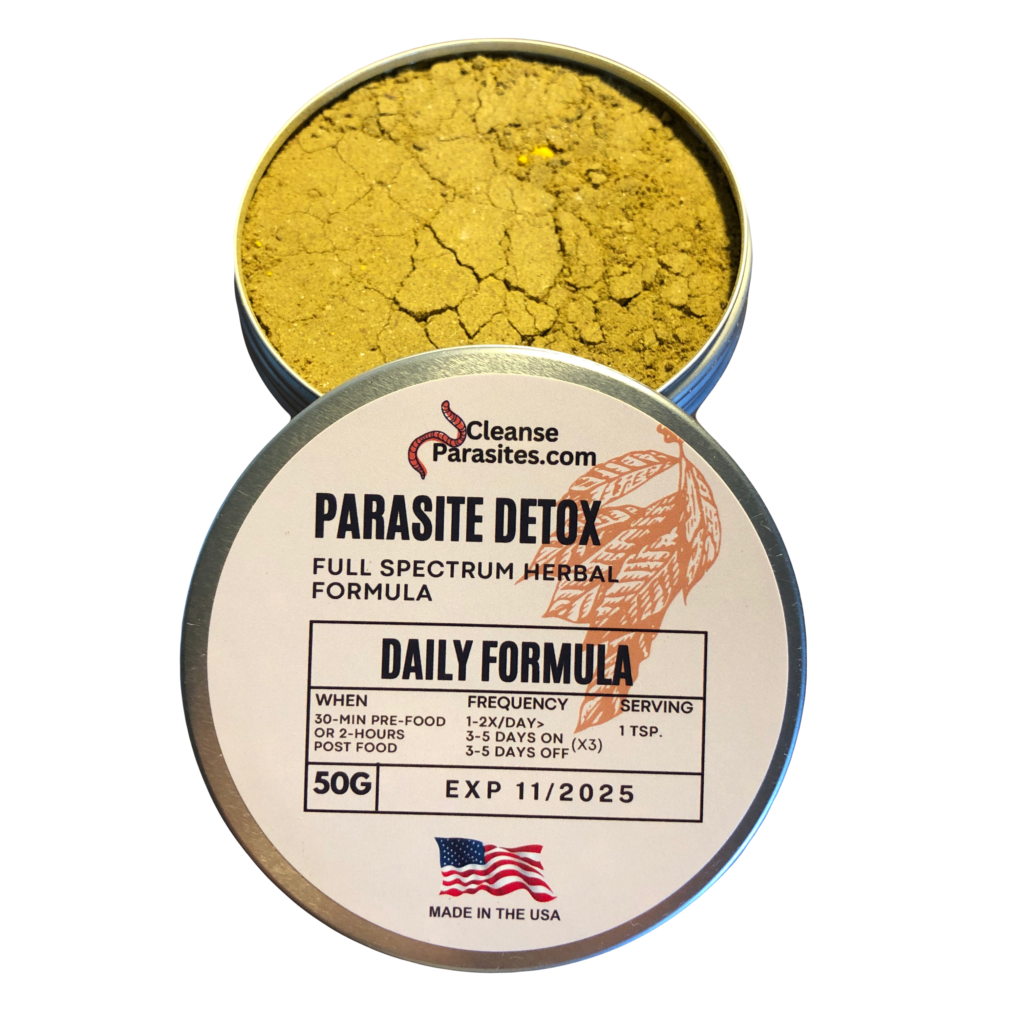
Herbal parasite cleanse protocols are popular, but a fair question rarely gets a straight answer: when these products are tested against an inactive placebo in a controlled setting, do they actually outperform it? The honest answer is that the evidence base is thin, uneven across ingredients, and almost entirely built around confirmed parasitic infection rather than the broader “cleanse for general wellness” claim most products are marketed around.
What a Placebo-Controlled Trial Actually Tests
A placebo-controlled trial compares an active substance to an inert look-alike, ideally with neither participants nor researchers knowing which group is which (double-blinding). This design controls for the powerful expectation effect: people who believe they are taking something effective often report feeling better regardless of what is actually in the capsule. For herbal antiparasitics, this matters enormously, because symptom relief is often self-reported (energy, bloating, “brain fog”) rather than measured by an objective lab marker.
Where the Evidence Is Strongest
The strongest controlled human data covers individual plant-derived compounds tested against confirmed infections in specific populations, and it comes with a caveat that matters for this page: most of it is not placebo-controlled at all. Leaving an infected child untreated to fill a placebo arm is not ethical, so these trials usually compare the plant-derived compound against the standard drug instead, and usually without blinding.
The best-studied example is artesunate, a semi-synthetic derivative of artemisinin, the antimalarial compound from Artemisia annua. Against Schistosoma haematobium in 83 schoolchildren, artesunate alone cured 25% against 88% for praziquantel, and had no measurable effect on soil-transmitted helminths or intestinal protozoa[1]. Against Schistosoma mansoni in 212 Kenyan children, an artesunate-based combination cured 14% against 65% for praziquantel[2]. So the strongest human evidence for a plant-derived antiparasitic is real, and it points consistently in one direction: it worked, and it worked less well than the prescription drug.
For a multi-herb formula rather than a single compound, there is one small double-blind trial. A Thai traditional antihelmintic formula was compared against mebendazole and against a placebo in people with mixed worm infections, reporting a 93.7% reduction in worm eggs per gram of stool against 87.5% for mebendazole[3]. It enrolled fewer than 30 people in total at a single clinic and never identified which worm species were involved, which is why it is a starting point rather than an answer.
None of that is the same thing as a controlled trial showing that a 30-day commercial herbal kit improves outcomes in people who do not have a confirmed infection.

Where the Evidence Is Weakest or Absent
The commercial “parasite cleanse kit” as a whole product, taken by people who have not been diagnosed with a parasitic infection, has essentially no published placebo-controlled trials. Most of what circulates online is anecdotal: forum posts, testimonials, and practitioner case reports. These are not without value, they can generate hypotheses, but they cannot establish whether a product outperforms placebo because they lack the very controls that rule out expectation effects, natural symptom fluctuation, and concurrent dietary or lifestyle changes people often make while cleansing.
Why This Gap Persists
Running a rigorous trial is expensive, and there is limited commercial incentive to fund a study that risks showing a flagship product performs no better than an inert capsule. Confirmed parasitic infections are also relatively uncommon in the population buying these products in wealthier countries, which makes recruiting a trial population with an actual infection to measure against difficult. The result is a research gap that is unlikely to close quickly.
What This Means If You Are Considering a Cleanse
This does not mean nothing in a parasite cleanse protocol “works” in any sense. Some individual herbs have documented antimicrobial or antiparasitic properties in lab settings. It does mean that the specific marketing claim, “this kit clears parasites and you’ll notice the difference,” is not backed by the kind of trial that separates real effect from placebo response. A reasonable approach is to treat the experience as self-directed and low-evidence: track objective changes where you can (weight, sleep tracking, symptom logs) rather than relying on subjective “I feel cleaner” impressions alone, and loop in a healthcare provider if you suspect an actual infection, since diagnostic testing exists and treats the specific organism rather than a general concept.

The Bottom Line
Placebo-controlled evidence for parasite cleanse kits as sold is limited. Some individual ingredients have supportive lab and small-study data against specific organisms; the broader wellness claim does not have the same backing. Approach the category with the same skepticism you would apply to any supplement category where the strongest evidence is testimonial rather than experimental.
References
- Keiser J et al. Efficacy and safety of mefloquine, artesunate, mefloquine-artesunate, and praziquantel against Schistosoma haematobium: randomized, exploratory open-label trial. Clin Infect Dis (2010). PMID 20350194
- Obonyo CO et al. Efficacy of artesunate with sulfalene plus pyrimethamine versus praziquantel for treatment of Schistosoma mansoni in Kenyan children: an open-label randomised controlled trial. Lancet Infect Dis (2010). PMID 20705516
- Srichaikul B et al. The Comparative Double-Blind Clinical Study in Antihelmintic Efficacy Between Thai Traditional Herbal Formulae and Mebendazole. Am J Ther (2016). PMID 27115772
These statements have not been evaluated by the Food and Drug Administration. This information is not intended to diagnose, treat, cure, or prevent any disease. Content is for informational purposes only and is not medical advice; consult a qualified healthcare provider before starting any supplement. As an Amazon Associate we earn from qualifying purchases.