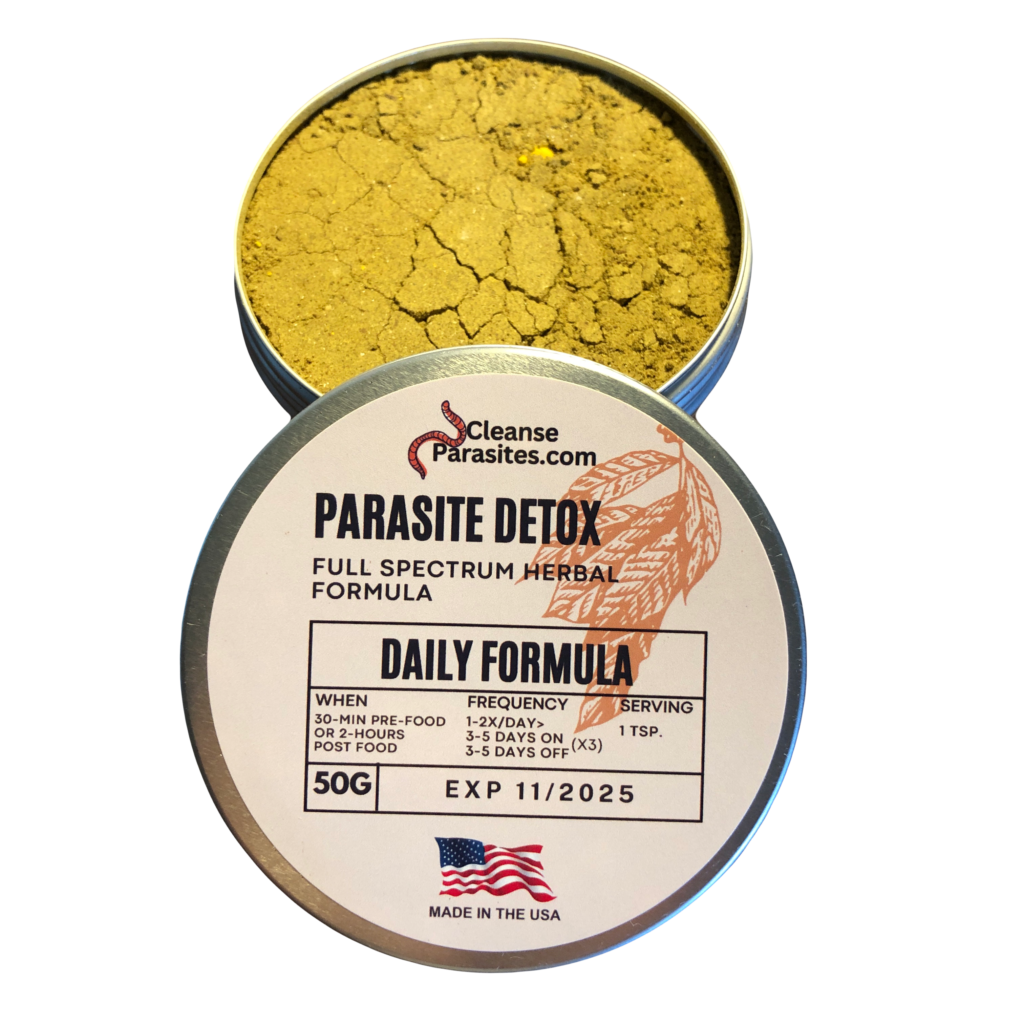
Parasite cleanse kits are bundled products, usually built around antiparasitic and antimicrobial herbs like wormwood, black walnut hull, and clove, sometimes paired with binders such as diatomaceous earth or mimosa pudica seed. The proposed mechanism is that these herbs disrupt parasite membranes and reproductive cycles while the binders help sweep debris out of the gut. That is a plausible-sounding story, but a kit’s marketing copy and its actual contents are two different things, and the gap between them is where money gets wasted.
This checklist is meant to help you evaluate any kit on the market with a clear head, not to sell you on the idea that you need one. If you suspect an actual parasitic infection, a stool test and a conversation with a healthcare provider will tell you more than any supplement label can. This is informational, not medical advice.
Key Takeaways
- Insist on full ingredient and dosage disclosure, not proprietary blend names
- Look for a defined start and end date, not an open-ended supplement habit
- Ask for third-party lab testing or a Certificate of Analysis before buying
- Treat diagnostic or cure claims as a red flag, not reassurance
- Check the return policy and subscription terms before you check out
1. Full Ingredient Disclosure, Not Just a Blend Name
A trustworthy kit lists every herb and compound by name and by amount, not just a proprietary blend name like ‘ParaClear Complex.’ If a label hides the actual milligram breakdown behind a blend name, you cannot tell whether you are getting a therapeutic dose of wormwood or a token sprinkle meant mostly for the ingredient list.
Check that the three core herbs most commonly associated with parasite cleanse protocols, wormwood, black walnut hull, and clove, are each individually quantified if they’re present. If binders like diatomaceous earth or mimosa pudica seed are included, those should be disclosed and dosed separately as well.
2. A Clear, Time-Boxed Protocol
A parasite cleanse is meant to be a time-boxed regimen, not an indefinite supplement habit. Look for a kit that specifies a start and end point (commonly a period of several weeks), a ramp-up schedule if one is used, and explicit guidance on what to do at the end of the protocol.
Be skeptical of kits marketed for continuous, open-ended use with no stated endpoint. Vague dosing instructions (‘take as needed’ or ‘use daily for best results’ with no stop date) are a sign the product is designed around repeat purchases rather than a defined protocol.

3. Third-Party Testing and a Certificate of Analysis
Herbal supplements are not pre-approved by the FDA for safety or effectiveness before they reach the shelf, which puts the burden of quality verification on the manufacturer and, ultimately, on you. A reputable seller will provide or reference third-party lab testing, and ideally a Certificate of Analysis (COA), confirming identity of the herbs used and screening for heavy metals, pesticide residue, and microbial contamination.

If a company cannot produce a COA on request, or only offers vague language like ‘lab tested’ with no report to view, treat that as a real gap, not a technicality.
4. Sourcing and Standardization of Key Herbs
Wormwood, black walnut hull, and clove vary in potency depending on plant part used, extraction method, and standardization. A kit that specifies the plant part (leaf vs. whole herb, hull vs. leaf), extraction ratio, or standardized active compound percentage is giving you more than marketing copy, it’s giving you something you can actually compare against another product.
Kits that only say ‘wormwood extract’ with no further detail leave you unable to judge strength or consistency batch to batch.
5. Realistic, Non-Diagnostic Marketing Language
By law, a dietary supplement label must include a disclaimer that its statements have not been evaluated by the FDA and that the product is not intended to diagnose, treat, cure, or prevent any disease. If a kit’s marketing implies it can diagnose an infection, replace medical treatment, or guarantee elimination of parasites, that is a red flag regardless of how the label itself is worded.

Language promising to ‘kill all parasites in your body’ or claiming to treat named parasitic diseases should make you pause. Herbal antiparasitic protocols are not a substitute for lab-confirmed diagnosis or prescribed treatment of an actual parasitic infection.
6. Interaction and Population Warnings
A responsible product will flag who should not use it without medical guidance, typically pregnant or nursing individuals, children, and anyone taking prescription medication, since herbal antiparasitics can interact with drugs or affect blood-thinning, blood sugar, or liver metabolism pathways depending on the herb.
If a kit’s packaging and website say nothing at all about contraindications or who should consult a doctor first, that absence is itself worth noting.
7. Return Policy and Transparent Pricing
Auto-ship subscriptions are common in this category, and some are structured so cancellation is deliberately difficult. Before buying, check whether the kit requires subscribing to receive the advertised price, what the cancellation process actually involves, and whether a straightforward return window exists if the product doesn’t suit you.
A kit sold only through a landing page with urgency countdowns and no visible return policy is a pattern worth treating with extra scrutiny, independent of the ingredients themselves.
8. Independent Reviews Beyond the Seller's Own Site
Testimonials on a product’s own sales page are curated by definition. Look for reviews on independent retail platforms, forums, or third-party supplement databases where negative experiences are harder to filter out.

Pay particular attention to reviews mentioning inconsistent potency between batches, unclear dosing instructions, or difficulty getting a refund, since these track directly to the checklist items above rather than being purely subjective complaints.
🛒 Where to Buy Parasite Cleanse Protocol
- CleanseParasites Herbal Parasite Cleanse Powder Editor’s Pick
The flagship product for this hub’s own protocol content — wormwood, black walnut hull, cloves, and more. - CleanseParasites Full Detox Bundle (all products) Editor’s Pick
The complete 11-week protocol bundle: parasite cleanse, metals binder, superfood, and more in one order. - Global Healing Paratrex I
oil-based liquid, 1 ml, 2x daily — Current MicroSomal formula is a pumpkin-seed and pomegranate-seed oil blend with essential oils; it no longer contains wormwood, clove or black walnut - Amazing Herbs Premium Black Walnut-Wormwood Complex
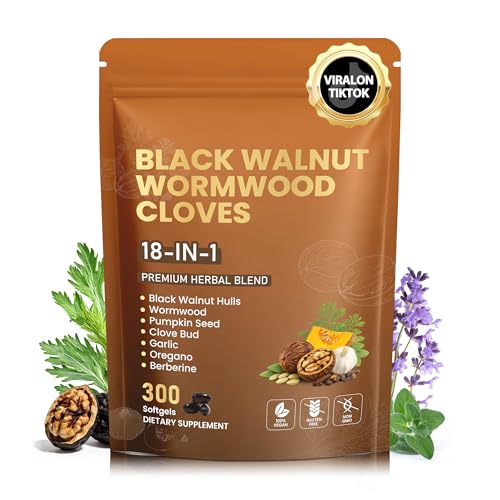
capsules, 2 capsules daily — Budget-friendly combination capsule pairing black walnut hull and wormwood, a common starter product - NOW Foods Wormwood
capsules, 1 capsule, 2x daily — Single-herb wormwood capsule from a widely trusted supplement manufacturer, good for readers wanting to build their own stack - Herb Pharm Black Walnut
liquid, 0.5-1 mL, 3x daily — Alcohol-based liquid extract from a respected small-batch herbal manufacturer, common alternative to capsule form
As an Amazon Associate we earn from qualifying purchases. Quality varies widely — always choose a product with a published third-party test (COA) before buying.
A Note on the Evidence
This checklist reflects general product-quality and label-literacy practices, not clinical evidence that any parasite cleanse kit is effective. These statements have not been evaluated by the FDA, and these products are not intended to diagnose, treat, cure, or prevent any disease; talk to a healthcare provider before starting one, especially if pregnant, nursing, a child, or on medication. This is informational, not medical advice.
Frequently Asked Questions
Do parasite cleanse kits need FDA approval before they're sold?
No. Dietary supplements, including parasite cleanse kits, are not pre-approved by the FDA for safety or effectiveness. Manufacturers are required to include a disclaimer stating the product is not intended to diagnose, treat, cure, or prevent any disease, and the responsibility for quality control largely falls on the company.
What ingredients are typically in a parasite cleanse kit?
Most kits are built around wormwood, black walnut hull, and clove, sometimes combined with binders like diatomaceous earth or mimosa pudica seed. The proposed mechanism is disrupting parasite membranes and reproductive cycles while binding and eliminating them from the gut.
How long should a parasite cleanse protocol last?
A parasite cleanse is meant to be time-boxed rather than continuous. A reputable kit will specify a defined duration and an endpoint, along with instructions for what comes after. Be cautious of products marketed for indefinite daily use.
Can a parasite cleanse kit replace a doctor's diagnosis?
No. Parasite cleanse herbs are not a substitute for lab-confirmed diagnosis or medical treatment of a parasitic infection. If you suspect an actual infection, a stool test and medical evaluation are the appropriate next step.
Who should talk to a doctor before trying a parasite cleanse kit?
Pregnant or nursing individuals, children, and anyone currently taking medication should consult a healthcare provider first, since herbal antiparasitic compounds can interact with certain drugs or conditions.
What's a red flag when shopping for a parasite cleanse kit?
Vague proprietary blend names with no individual dosing, no visible return policy, forced auto-ship subscriptions, and marketing language implying the product can diagnose or cure a disease are all signs to slow down and look more closely.
These statements have not been evaluated by the Food and Drug Administration. This information is not intended to diagnose, treat, cure, or prevent any disease. Content is for informational purposes only and is not medical advice; consult a qualified healthcare provider before starting any supplement. As an Amazon Associate we earn from qualifying purchases.