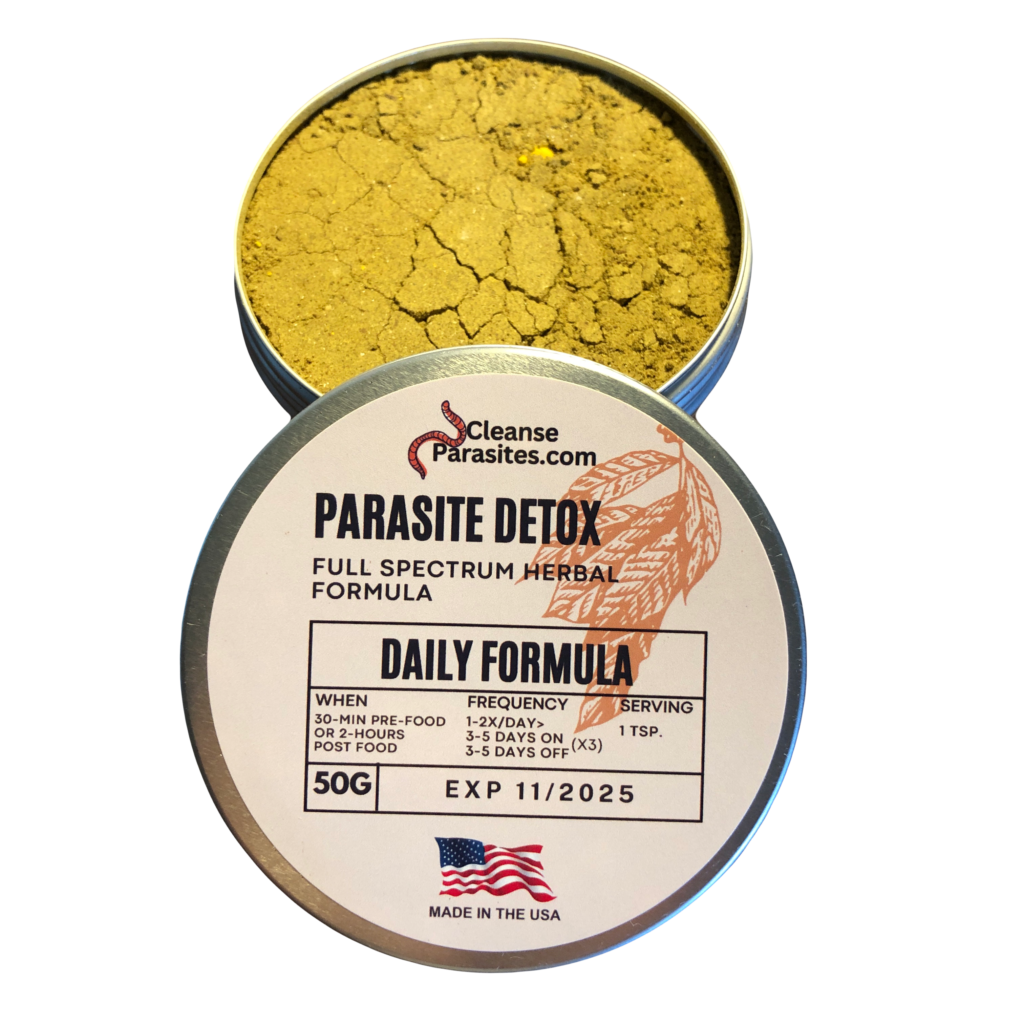
Parasite cleanse protocols, typically combinations of wormwood, black walnut hull, clove, and sometimes binders like diatomaceous earth or mimosa pudica seed, are marketed for adults far more often than for children, and for good reason: almost none of the safety or efficacy data behind these products comes from pediatric populations. When a parent asks whether a cleanse is ‘safe for kids,’ the honest answer starts with what we don’t know, not with a reassuring yes.
This article is not a recommendation to give any parasite cleanse product to a child. It’s an attempt to lay out what the ingredients actually are, where real risks (like allergy) are documented, and why a suspected parasite infection in a child belongs with a pediatrician first, not a supplement regimen. These statements have not been evaluated by the FDA, and these products are not intended to diagnose, treat, cure, or prevent any disease.
Key Takeaways
- No parasite cleanse product on the market has established pediatric dosing or child-specific safety data; assume adult formulations are not appropriate for children without a doctor’s guidance.
- Seed and nut-based ingredients used in some cleanse-adjacent regimens carry documented allergy risk, including in children [1]; black walnut specifically carries tree nut allergy concerns.
- Wormwood’s thujone content has no established safe pediatric threshold, and the caution extended to pregnant or nursing individuals reasonably extends to children.
- A child with symptoms of an actual parasitic infection needs lab-confirmed diagnosis and pediatrician-directed treatment, not a home herbal protocol.
- Binders like diatomaceous earth or mimosa pudica seed can represent a disproportionate fiber/mineral load for a child’s body size, independent of the antiparasitic herbs.
What's actually in a parasite cleanse, and why children are different
A typical adult parasite cleanse combines antiparasitic and antimicrobial botanicals, often wormwood (Artemisia absinthium), black walnut hull (Juglans nigra), and clove (Syzygium aromaticum), sometimes with a binder such as diatomaceous earth or mimosa pudica seed added to help sweep material through the gut. The proposed mechanism is that these compounds disrupt parasite cell membranes and interfere with their reproductive cycles, while the binder captures and eliminates what’s left.
Children are not small adults pharmacologically. Body weight-based dosing for adult-formulated herbal extracts is rarely established for kids, liver and kidney systems that clear plant compounds are still maturing, and a child’s gut microbiome and immune system respond differently to concentrated botanical extracts than an adult’s does. Manufacturers of these products almost universally state they are formulated for and tested in adults, and dosing guidance for children under a certain age (commonly 12, sometimes higher) is simply absent from the label rather than adjusted downward.

The allergy risk that does have documentation
One of the more concrete, evidence-backed safety concerns relevant to children and cleanse-adjacent ingredients is seed allergy. Pumpkin seed is not a core ingredient in most black walnut/wormwood/clove protocols, but it appears in some cleanse-adjacent products and diets, and it illustrates a broader point: seeds and nuts used in antiparasitic folk regimens can trigger real, sometimes serious allergic reactions in susceptible individuals, including children.
A recent real-world case series on oral immunotherapy for pumpkin seed allergy documents that pumpkin seed allergy is a recognized clinical entity serious enough to warrant a structured desensitization protocol [1]. That a case series on treating this allergy exists at all is a reminder that seed-based ingredients are not automatically benign just because they’re ‘natural,’ and that a child with any known food or seed allergy history should not be given a novel botanical or seed-containing product without a doctor’s input.
Black walnut itself carries a separate, well-recognized tree nut allergy risk. A child with any nut allergy history should not be given a black walnut-containing product under any circumstances without medical clearance, and even without a known allergy, introducing a concentrated nut-hull extract to a child for the first time carries a risk profile that a whole-food nut exposure does not.
Wormwood and thujone: a specific pediatric concern
Wormwood contains thujone, a compound that in concentrated or prolonged exposure has been associated with neurological effects in adults, which is why regulatory bodies in several countries cap thujone content in consumable wormwood products. There is no established safe pediatric dosing threshold for thujone-containing wormwood extracts, and the same product-label caution that applies to pregnant or nursing individuals, extra care and often outright avoidance, reasonably extends to children, whose smaller body mass means a given dose represents a much higher relative exposure.

This is not a claim that a single dose is guaranteed harmful. It is an honest statement that the safety margin has not been established for children, and ‘it’s herbal’ is not the same as ‘it’s dosed for a 40-pound body.’
When a child actually has a parasite: what changes
Children, especially those in daycare, school, or households with pets, are genuinely more likely than adults to pick up certain intestinal parasites like pinworms or giardia, largely due to hand-to-mouth behavior and close contact with other children. That real epidemiological pattern is often what cleanse marketing leans on, but it argues for lab-confirmed diagnosis and pediatrician-directed treatment, not for a home botanical regimen.
Confirmed pediatric parasitic infections have established, dosed, pediatrician-prescribed medications with known safety profiles for children, unlike the herbal combinations in over-the-counter cleanse kits. If a child has symptoms consistent with a parasitic infection, stool testing and a doctor’s visit are the appropriate first step, not a multi-week herbal protocol bought online.
Binders, fiber load, and a child's digestive system
Binders like diatomaceous earth or mimosa pudica seed are included in adult protocols to help move disrupted parasite material and toxins through the gut. In a child, the same binder can represent a disproportionately large fiber or mineral load relative to body size, with a higher relative risk of constipation, dehydration if fluid intake isn’t increased alongside it, or interference with the absorption of nutrients and any medications the child may be taking.

None of this is unique to parasite cleanses, any concentrated supplement dosed for an adult body carries this risk in a child, but it’s a mechanical reason (separate from the antiparasitic herbs themselves) why adult-dosed cleanse kits are not simply ‘give a smaller amount’ products for kids.
🛒 Where to Buy Parasite Cleanse Protocol
- CleanseParasites Herbal Parasite Cleanse Powder Editor’s Pick
The flagship product for this hub’s own protocol content — wormwood, black walnut hull, cloves, and more. - CleanseParasites Full Detox Bundle (all products) Editor’s Pick
The complete 11-week protocol bundle: parasite cleanse, metals binder, superfood, and more in one order. - Global Healing Paratrex I
oil-based liquid, 1 ml, 2x daily — Current MicroSomal formula is a pumpkin-seed and pomegranate-seed oil blend with essential oils; it no longer contains wormwood, clove or black walnut - Amazing Herbs Premium Black Walnut-Wormwood Complex
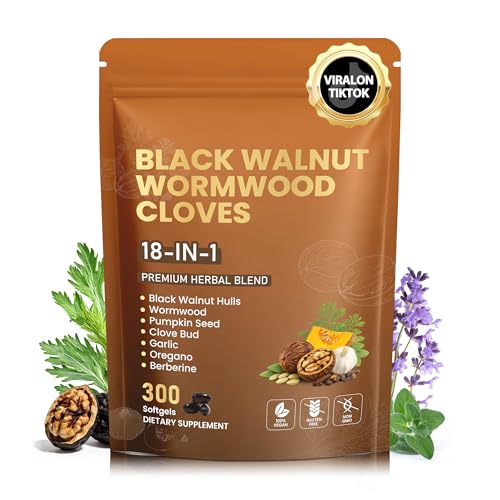
capsules, 2 capsules daily — Budget-friendly combination capsule pairing black walnut hull and wormwood, a common starter product - NOW Foods Wormwood
capsules, 1 capsule, 2x daily — Single-herb wormwood capsule from a widely trusted supplement manufacturer, good for readers wanting to build their own stack - Herb Pharm Black Walnut
liquid, 0.5-1 mL, 3x daily — Alcohol-based liquid extract from a respected small-batch herbal manufacturer, common alternative to capsule form
As an Amazon Associate we earn from qualifying purchases. Quality varies widely — always choose a product with a published third-party test (COA) before buying.
A Note on the Evidence
This article is informational, not medical advice, and no published trial establishes pediatric safety or efficacy for the herbs sold in parasite cleanse products — wormwood, black walnut hull, clove or Mimosa pudica seed. Parasite cleanse herbs are not a substitute for lab-confirmed diagnosis or medical treatment of a parasitic infection; talk to a pediatrician before giving any such product to a child, and always for children with known allergies, existing medical conditions, or who are on other medications.
Frequently Asked Questions
Can I give my child an adult parasite cleanse at a smaller dose?
This is not recommended. Adult herbal cleanse products are dosed and tested for adult bodies, and there is no established, medically validated way to scale wormwood, black walnut, or clove extract doses down for a child. Talk to a pediatrician before giving any such product to a child.
Is it true that kids get parasites more often than adults?
Children in close-contact settings like daycare and school are more prone to certain intestinal parasites due to hand-to-mouth behavior, but the appropriate response is stool testing and pediatrician-directed treatment, not an over-the-counter herbal cleanse.
Are pumpkin seeds or black walnut a choking or allergy risk for kids?
Both carry real allergy risk. Pumpkin seed allergy is a documented clinical condition serious enough that a structured oral immunotherapy protocol has been described in a recent case series [1], and black walnut is a tree nut with its own recognized allergy profile. Any known food allergy history in a child warrants avoiding these ingredients without medical clearance.

What about wormwood specifically, isn't that dangerous for anyone?
Wormwood contains thujone, a compound with recognized neurological risk at high or prolonged exposure, which is why some countries regulate thujone content in consumable products. There’s no established safe pediatric dose, so it should be treated with at least the same caution given to pregnant or nursing individuals.
My child has a confirmed parasite from a stool test. Can I use a cleanse instead of the prescribed medication?
No. A confirmed diagnosis should be treated with the pediatrician-prescribed medication, which has an established pediatric safety and dosing profile. Herbal cleanse kits are not a substitute for diagnosed, medically supervised treatment.
Are binders like diatomaceous earth safe for kids?
They carry mechanical risks, constipation and dehydration among them, that are proportionally larger in a smaller body. There’s no pediatric safety data specific to these binders, so they shouldn’t be given to children without medical guidance.
References
- Paradis V et al. Oral immunotherapy for the treatment of pumpkin seed allergy: a real-world case series. Allergy, asthma, and clinical immunology : official journal of the Canadian Society of Allergy and Clinical Immunology (2026). PMID 42231483
These statements have not been evaluated by the Food and Drug Administration. This information is not intended to diagnose, treat, cure, or prevent any disease. Content is for informational purposes only and is not medical advice; consult a qualified healthcare provider before starting any supplement. As an Amazon Associate we earn from qualifying purchases.