If you’ve decided to try a parasite cleanse protocol, the herb list is usually the easy part: wormwood, black walnut hull, and clove show up in nearly every version. The harder decision is format. Capsules and liquid tinctures deliver the same core herbs but differ in how fast they act, how easy they are to dose accurately, and how much of the compound actually gets absorbed.
There is no large body of head-to-head research comparing capsule versus tincture delivery specifically for antiparasitic herb blends, so this article focuses on what is generally true about each format, the practical tradeoffs, and where the honest answer is ‘it depends on your situation’ rather than a clean winner.
Key Takeaways
- Tinctures are pre-dissolved and generally absorb faster; capsules must be broken down by digestion first, which is slower but more consistent dose-to-dose.
- Tinctures allow finer titration (by the drop), useful when starting a wormwood-based protocol slowly; capsules are easier to repeat at a fixed dose.
- Taste and adherence matter as much as theoretical absorption, a protocol you can actually finish for the full course beats one you quit early.
- Standard tinctures contain alcohol (roughly 20-45% ABV), a real consideration for anyone avoiding alcohol, on medication, pregnant, nursing, or dosing a child under medical supervision.
- There’s no direct head-to-head clinical research comparing the two formats for antiparasitic herb blends specifically, this comparison is based on general pharmacology and practical use, not format-specific trial data.
How Capsules and Tinctures Actually Differ
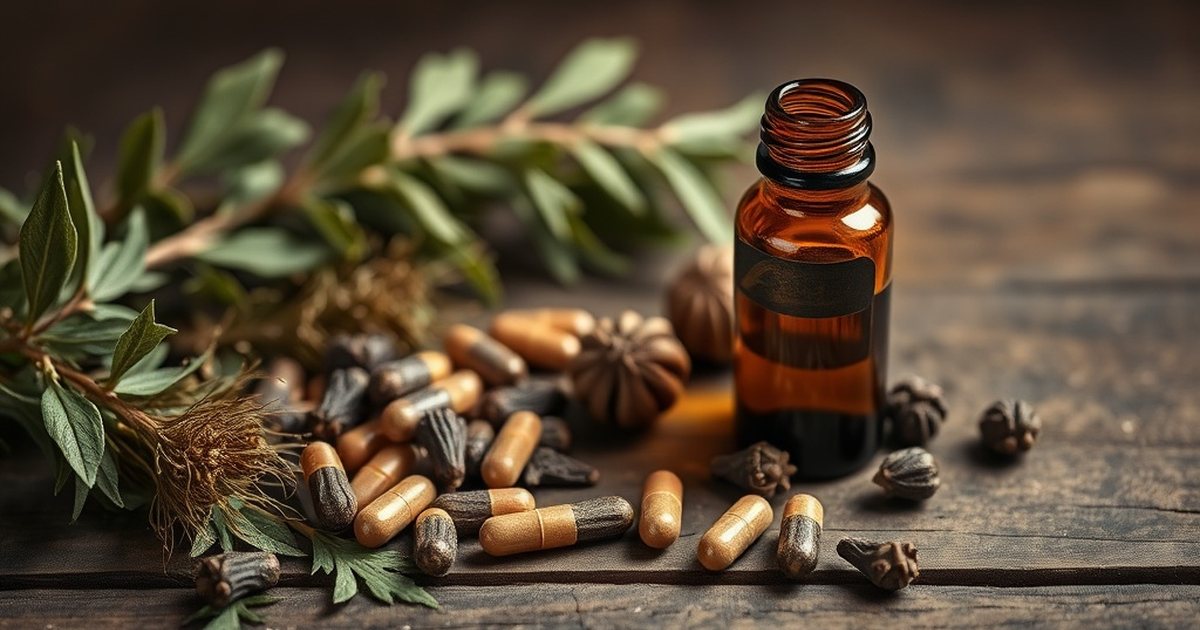
A capsule contains dried, powdered herb (or a concentrated extract dried onto a carrier) sealed in a gelatin or vegetable shell. It has to be broken down by stomach acid and digestive enzymes before the plant compounds are released, which takes time.
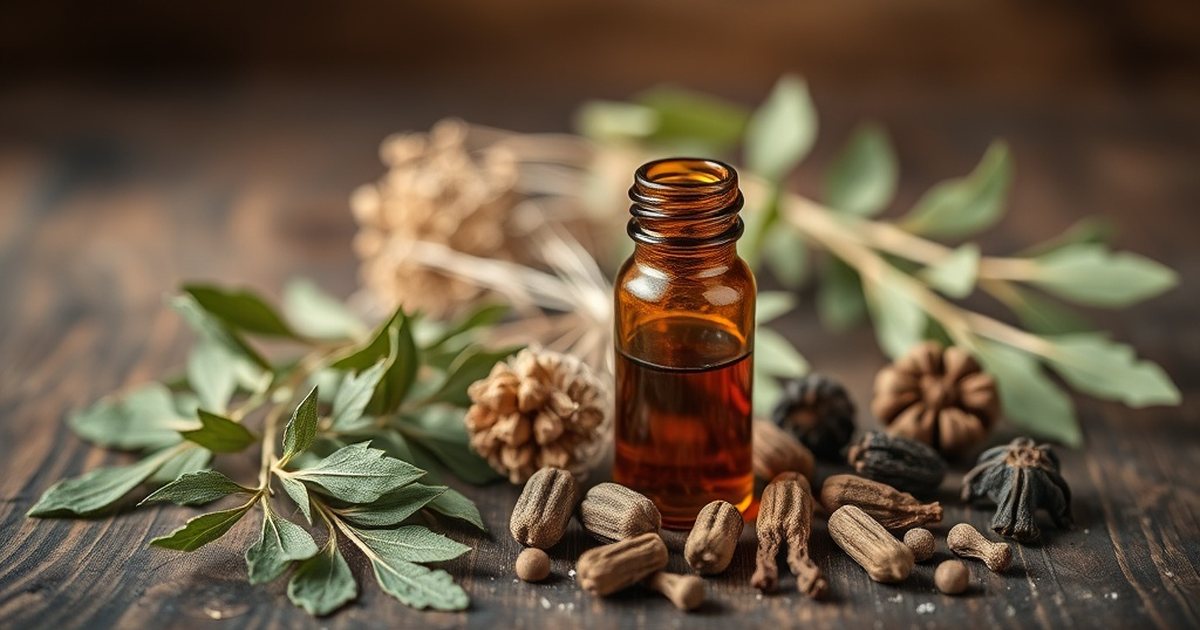
A tincture is herb material extracted into alcohol (or sometimes glycerin), producing a liquid concentrate. Because the active compounds are already in solution, they don’t need to be broken out of plant fiber first, they’re simply absorbed through the mucous membranes of the mouth and the lining of the gut once swallowed.
This structural difference is the root of almost every other tradeoff between the two formats: onset speed, dosing flexibility, taste, and shelf stability.

Absorption and Onset: The Tincture Advantage
Because a tincture’s active compounds are pre-dissolved, they tend to reach the bloodstream faster than a capsule, which must first dissolve and then be broken down by digestion. For some users this matters less (a parasite cleanse is a multi-week protocol, not a same-day fix), but for people who want to feel the herbs ‘kick in’ or who have sluggish digestion that slows capsule breakdown, tinctures can feel more responsive.
Alcohol-based tinctures also extract certain plant compounds, including some of the volatile and bitter constituents in wormwood, more efficiently than a dried powder retains them. Drying and encapsulating can reduce the concentration of some of these compounds over time, particularly if the capsules are stored poorly (heat, light, humidity).
Dosing Precision and Titration
Tinctures make it easier to titrate, that is, to start low and increase gradually, because dosing is by the drop or milliliter rather than whole-capsule increments. This matters most in the early days of a wormwood-containing protocol, where starting low and increasing slowly is standard practice to gauge tolerance.
Capsules are harder to fine-tune (you can’t easily take a third of a capsule), but they compensate with consistency: a manufacturer’s capsule is formulated to a fixed potency per unit, so once you know your dose, repeating it exactly is simple. Tincture potency can vary more between brands and even between batches depending on extraction ratio and alcohol percentage, so ‘a dropper full’ is not as standardized as it sounds unless you’re using the same product every time.
Taste, Convenience, and Adherence
Wormwood and black walnut hull tinctures are bitter and often unpleasant, some people find this bitterness genuinely hard to tolerate daily for several weeks. Capsules bypass taste entirely, which for many people is the deciding factor: a protocol you can actually stick with for the full course beats a ‘theoretically superior’ format you abandon after four days.
On the other hand, some traditional herbal approaches argue that the bitter taste itself triggers digestive responses (saliva, bile, stomach acid) that are part of the herb’s intended effect. This is a plausible mechanism reason to prefer tinctures, but it is not something with hard measurement behind it in this context, more of a rationale from herbal tradition than an established clinical finding.

Practically: capsules travel better, need no water-avoidance window, and don’t require diluting in juice or water to mask flavor, which matters for people cleansing while traveling or at work.
Alcohol Content, Shelf Life, and Who Should Be Cautious
Standard tinctures use alcohol as the solvent and preservative, typically in the range of 20-45% alcohol by volume in the finished product, though this varies by brand. That alcohol content is a real consideration for anyone avoiding alcohol for medical, religious, personal, or recovery reasons, for people on medications that interact with alcohol, and for pregnant or nursing individuals. Alcohol-free glycerin-based tinctures exist but generally have a shorter shelf life and can extract certain compounds less efficiently than alcohol.
Capsules avoid the alcohol question entirely, and are generally the more straightforward choice for children (where cleanse protocols should only proceed under medical guidance), for anyone on medication, or for anyone who simply prefers not to ingest alcohol daily for weeks.
On shelf stability, alcohol-based tinctures tend to have a long shelf life, often multiple years, when stored in a cool, dark place, because alcohol itself is a preservative. Capsules are shelf-stable too but are more sensitive to humidity and heat, which can degrade potency faster than a sealed tincture bottle.
So Which Format Actually Wins?
Neither format is categorically superior, they trade off different things. Tincture wins on absorption speed, dosing flexibility, and titration control. Capsules win on taste-masking, dosing consistency between doses, convenience, and avoiding alcohol.

A reasonable, honest recommendation: if you’re new to a wormwood-containing protocol and want fine control while ramping up, a tincture lets you titrate more precisely in the first week. If you’ve already established your tolerance, or you know you won’t tolerate the taste of daily bitters for a multi-week course, capsules are the more sustainable long-term choice. Some protocols even use both, tincture for the titration phase, capsules for the maintenance phase.
🛒 Where to Buy Parasite Cleanse Protocol
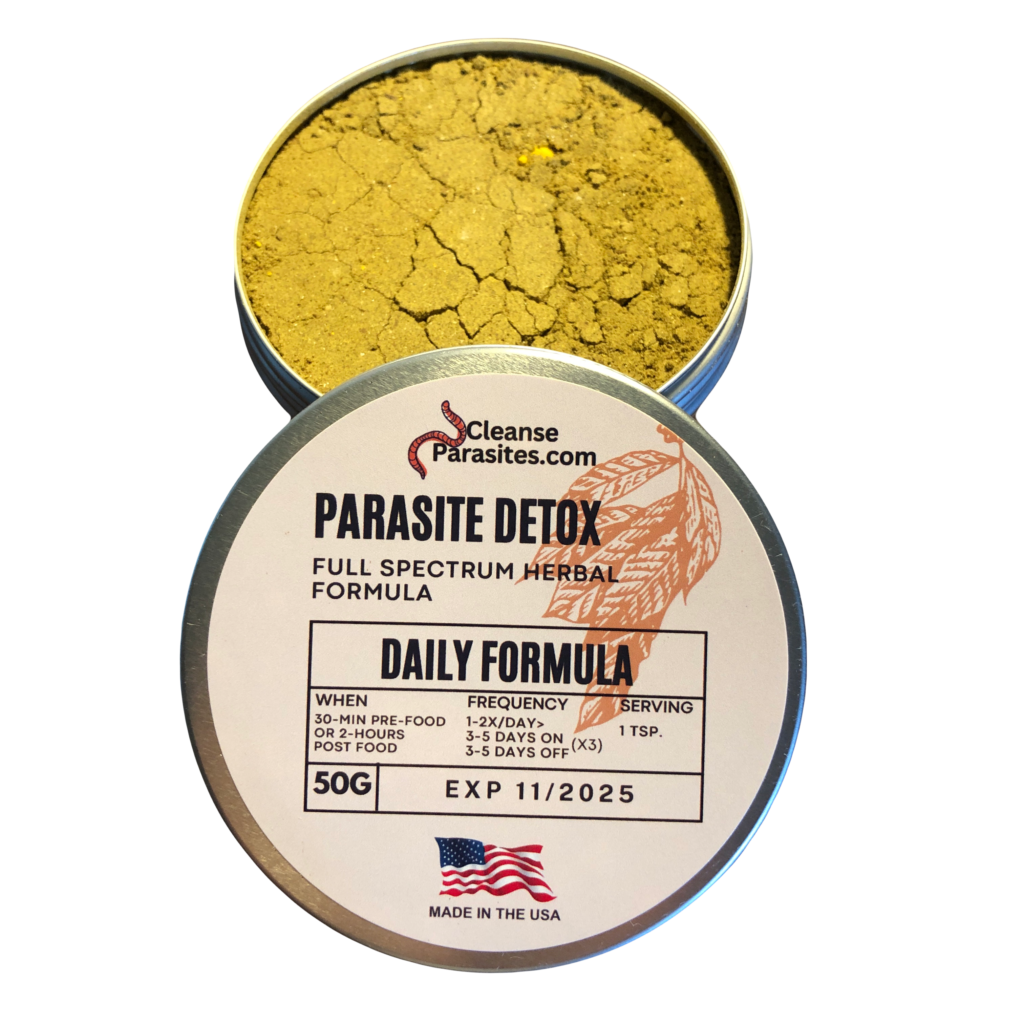
- CleanseParasites Herbal Parasite Cleanse Powder Editor’s Pick
The flagship product for this hub’s own protocol content — wormwood, black walnut hull, cloves, and more. - CleanseParasites Full Detox Bundle (all products) Editor’s Pick
The complete 11-week protocol bundle: parasite cleanse, metals binder, superfood, and more in one order. - Global Healing Paratrex I
oil-based liquid, 1 ml, 2x daily — Current MicroSomal formula is a pumpkin-seed and pomegranate-seed oil blend with essential oils; it no longer contains wormwood, clove or black walnut - Amazing Herbs Premium Black Walnut-Wormwood Complex
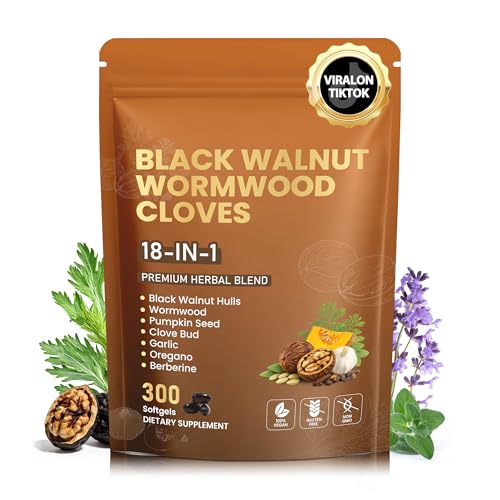
capsules, 2 capsules daily — Budget-friendly combination capsule pairing black walnut hull and wormwood, a common starter product - NOW Foods Wormwood
capsules, 1 capsule, 2x daily — Single-herb wormwood capsule from a widely trusted supplement manufacturer, good for readers wanting to build their own stack - Herb Pharm Black Walnut
liquid, 0.5-1 mL, 3x daily — Alcohol-based liquid extract from a respected small-batch herbal manufacturer, common alternative to capsule form
As an Amazon Associate we earn from qualifying purchases. Quality varies widely — always choose a product with a published third-party test (COA) before buying.
A Note on the Evidence
This article reflects general pharmacological reasoning, not dedicated clinical trials comparing these two formats for parasite cleanse herbs specifically. These statements have not been evaluated by the FDA and these products are not intended to diagnose, treat, cure, or prevent any disease; parasite cleanse herbs are not a substitute for lab-confirmed diagnosis or medical treatment of a parasitic infection. Pregnant or nursing individuals, children, and anyone on medication should talk to a healthcare provider before starting either format. This is informational, not medical advice.
Frequently Asked Questions
Is a tincture stronger than a capsule of the same herb?
Not necessarily stronger, but often faster-acting, since the compounds are already in liquid form and don’t need to be digested out of plant material first. Total dose delivered depends on the extraction ratio and concentration of the specific product, not the format alone.
Can I switch between capsules and tincture mid-protocol?
Many people do, using a tincture for the initial titration period and switching to capsules once the dose is established and tolerance is known. Just confirm the equivalent dose between products, since potency isn’t always directly comparable between brands.
Do capsules lose potency over time?
They can, particularly if stored in heat, humidity, or light, since the dried powder inside is more exposed to environmental degradation than a sealed alcohol tincture. Check expiration dates and store both formats in a cool, dark place.
Is the alcohol in a tincture a problem for a parasite cleanse?
It can be, depending on your circumstances, standard tinctures run roughly 20-45% alcohol by volume. Anyone avoiding alcohol, on interacting medications, pregnant, nursing, or considering this for a child should talk to a healthcare provider and likely favor capsules or an alcohol-free glycerin tincture instead.
Which format is better for someone who travels a lot?
Capsules are generally more practical for travel, no liquid restrictions to worry about, no risk of spills, and no need to dilute a bitter dose in water or juice on the go.
Does either format have better research support?
There isn’t a solid body of direct comparative research on capsule versus tincture delivery specifically for antiparasitic herb protocols. The reasoning here comes from general pharmacology (how each format is absorbed) rather than dedicated clinical trials on this exact comparison.
These statements have not been evaluated by the Food and Drug Administration. This information is not intended to diagnose, treat, cure, or prevent any disease. Content is for informational purposes only and is not medical advice; consult a qualified healthcare provider before starting any supplement. As an Amazon Associate we earn from qualifying purchases.